Software
Houzz Logo Print
jctsai8b

What is your organic bugs control experience?

11 years ago

A lots different bugs in the tropical area, can I share your experience? I am pretty new for pest control.

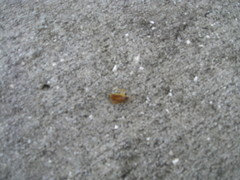
What is the bug that odor of the bug smells very bad? Is that Aphid?

Have you ever used garlic soapy water to get rid of Aphids?

Have you used baking soda and cooking oil to kill Aphids?

How effective is it? Thanks

Comments (14)

  • 11 years ago

    Aphids do not produce a noticeable odor and the simplest, easiest method of control for them is a sharp water spray. No need for garlic soapy water. The Baking Soda and Oil mix is for Powdery Mildew not insects. Perhaps this article may be of some help.

    http://ucipm.ucdavis.edu/PMG/PESTNOTES/pn7404.html

    The insects that produce disagreeable odors would be Stink Bugs, some of which can be beneficial and some of which can be baddies in the garden. Perhaps this article will be of some help.

    http://www.uky.edu/Ag/CritterFiles/casefile/insects/bugs/stinkbugs/stinkbugs.htm

    kimmq is kimmsr

  • 11 years ago

    I used Semaspore (a fungus?) to control grasshoppers. It did NOT work.

    I have used diatomaceous earth to kill beetles on one plant, and on my chili plants.

    Aphids are not always fatal or even damaging to plants. If you leave them alone, the predators that eat them will arrive and control the problem.

    Read this:

    http://lazygardens.blogspot.com/2015/06/natural-pest-control-for-gardeners-and.html

  • 11 years ago
    last modified: 11 years ago

    Here is Florida with all the humidity and diseases there are lots of pests in my area.

    "bt" does the job for me to get rid of all caterpillars. Lots of moths around here, the ones that give me the most issues are stem borers that dug into the stem of brassica plants and eat it hollow from inside. Otherwise if you don't grow brassica, they're not too big of a concern due to birds and lizards. They do like the warmer and moist seasons. It seems it's important to understand pests base on season and what time of year they are most active and plant accordingly.

    There are also june bugs, which lay the white grubs in the soil that eat your plant roots. At first I tried using beneficial nematodes but they are very expensive. I just bought a bag of milky spore powders, it seems to have very good reception.

    My worse enemy current are whiteflies, which carry leaf curl virus, a
    devastating virus that affect my tomatoes, pepper and basil, it
    permanently stunted the plant and stop it from producing. They like to come by when it's very rainy and in calm area, which is worse case scenario for Florida. They don't like hotter open space with more wind flow. I
    have garlic mixed with organic peppermint soap which stopped them, but
    they will keep coming back, it's been raining everyday here. Only
    solution I see is grow in a controlled environment or wait for a dryer
    season.

    My next enemy are ants, which farm aphids and attack and destroy beneficial
    insects (ladybugs/praying mantis). I am mixing boric acid with sugar and
    cornmeal to poison them right now and I think it's helping to reduce
    their population. I have diatomaceous earth as well, but it only seems to deter them a little bit, although I heard it's useful for earwigs and of course cockroaches.

    Aphids
    haven't been a problem for me even with the ants farming them, I have ladybugs around that deal with
    them. If you don't have any you can order lady bugs online. And occasional peppermint soap spray is enough to stop them.

    The stink bugs seem to come in late spring when it's rainy and they can devastate your tomatoes, but insecticidal soap and bt should get rid of them.

    Birds to me are very helpful, except when they eat up my butterfly caterpillars. Even with a lot tomatoes growing, I always have water for them to drink so they leave them alone.

    Slugs and snails haven't been much of a problem with the toads keeping them in check.

    Other things to watch out for are millipedes and roly-polies. I see them as beneficial especially because millipedes help with decomposing woodchips and leave behind frass (insect poop), which is a good fertilizer alternative to worm casting (pretty expensive to buy too). The issue they give is they may chew the stem of your seedlings, I just grow my seedlings in trays and only transplant them in soil when the stem seems durable enough. But generally, I have more leaves mulching for my raised beds. With containers I have woodchip mulching where the millipedes thrive but are contained, after a couple months I have literally 2inch layer of frass on the top level of the each containers. There are ways to control them too if they get out of hand, but so far I don't see any harms.

    If you are going to buy neem oil, make sure you buy the brand that come with "azadirachtin" which is not going to be from your Home Depot. The very processed type lack that ingredient and is not very effective.

    I haven't bought much pest control supply lately except from the milky spore and the multipurpose dr. bronner's peppermint soap. I just began to grow more and more pest resistant plants, like egyptian spinach which does great in the heat and taste better than lettuce to me. I've also been getting my hand on companion planting, by growing smelly plants to deter pest, garlic, onion, lemon grass and mosquito plants, and they really seems to help. In fact, from now I have will those plants growing in the raised beds first before I put the other seedlings in.

  • 11 years ago

    Instead of getting a spraying regime for aphids, just buy some ladybugs and put them on the plants. They'll eat your aphids and if you're lucky, they'll fly to your neighbors and eat their pests too, overall reducing the risk of future pests. Seems to actually work.


    Grubby--no SVB?! When I gardened down there, it was a constant problem for me.

  • 11 years ago

    Keep in mind that organic growing is, or should be, more about learning about these insect pests and how to grow plants that are less susceptible to them than about which poisons to use to control them. That starts with a good healthy soil that will grow strong and healthy plants.

    Aphids are attracted to plants that have too lush growth, usually because of too much soil Nitrogen. Purchasing Lady Beetles pro9bqbly is not a good idea since experience has shown they fly away almost as soon as they are released, they are in a reproductive pause mode, and may introduce unwanted diseases into the environment they are released in.

    Companion planting can help, almost as much as having a good healthy soil.

    kimmq is kimmsr

  • 11 years ago
    last modified: 11 years ago

    picture of the bug

  • 11 years ago
    last modified: 11 years ago

    My experience says to get to know your pests and their habits...and check regularily. Pests like Colorado Potato Beetle, Japanese Beetle, Cucumber Beetle, and Mexican Bean Beetle [whipped about 30 years ago] are few and far between or not around anymore.

  • 11 years ago

    In our garden in Michigan we have very few pest insect problems - none this year as it happens. I put it down to boneset, sweet alyssum, and Riddell's golden rod. In Michigan these are rated a #1, #2, and #5 in the list of flowers that attract predatory insects. Note that they all have lots of very small flowers. Two families of minute wasps -- 1/50 to 1/10 of an inch long -- parasitize the eggs and larvae of vegetarian insects. The tomato hornworm covered with about 50 minute cocoons is a well-known example. I'm sure that the insects in your area are different, but the principle holds. Regards. Peter.

  • 10 years ago

    Stink bugs get their name from the unpleasant odor they produce when they are threatened. Should be sting bugs.

  • 10 years ago

    People, you are lucky. What about SWD, Apple maggot, gooseberry fly and so on that I have to fight in my PNW garden. Not sure why, but as soon as new pest appeared in our area, it appeared in my garden. I have a lot of flowers with tiny and big flowers. Does not help

  • 10 years ago

    Many people spray broad spectrum poisons, pyrethrins and others, that kill beneficial as well as pest insects. Having a garden with flowers that attract beneficial insects is one step, not the total answer, in insect pest control.

    Keeping plants strong and healthy begins with the soil they are growing in, plants growing in a good healthy soil are less susceptible to insect pests and plant diseases. That does not mean those plants will not be bothered by insect pests and diseases but that they are less susceptible.

    kimmq is kimmsr

  • 10 years ago

    I am not spraying poisons, have good soil with a lot of (my own compost) and still have plenty of problems.

  • 10 years ago

    Of course one needs a multi-pronged approach e.g. grow parasite-attracting flowers and scout as well, especially potatoes. But here's a thought: the great soil scientist William Albrecht said that if the calcium/magnesium ratio in the soil is 8 or higher, then no insect would trouble the plants. I'm prepared to wager that most of us fall short on that one. Here in Michigan a little more calcium always helps (not Dolomite of course which has lots of magnesium) and it also serves to knock some magnesium off the fine soil particles and so change the base saturation ratios. And following Jay McCann's "Weeds and Why They Grow" more calcium would reduce weed pressure too. Regards, Peter.

    m/