

Cover crop for Zone 5?
10 years ago
Featured Answer
Sort by:Oldest
Comments (12)
 10 years ago
 10 years ago
Related Professionals
Montgomery Landscape Architects & Landscape Designers · Portsmouth Landscape Architects & Landscape Designers · Lubbock Landscape Architects & Landscape Designers · Elkton Landscape Contractors · Barnstable Landscape Contractors · Fall River Landscape Contractors · Newport Landscape Contractors · Vancouver Landscape Contractors · Sarnia Landscape Contractors · Sarasota Architects & Building Designers · Bloomington Architects & Building Designers · Florence Architects & Building Designers · Saint Joseph Architects & Building Designers · New Braunfels Architects & Building Designers · Leominster Architects & Building Designers- 10 years ago
- 10 years ago
- 10 years ago
- 10 years ago
- 10 years ago
- 10 years ago
- 10 years ago
- 10 years ago
 10 years ago
Related Stories
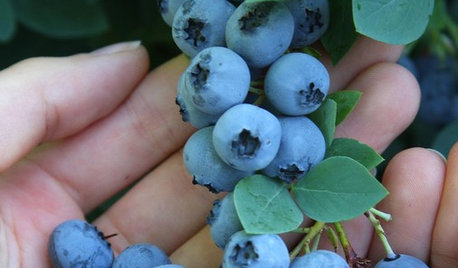
EDIBLE GARDENSSummer Crop: How to Grow Blueberries
Plant blueberries in spring or fall for garden beauty through three seasons — and a sweet superfood in summer
Full Story
FARM YOUR YARDIf You Have Room for Only One Summer Crop ...
Get an edible that’s long on flavor even if you’re short on space, with a long-time gardener’s favorite picks
Full Story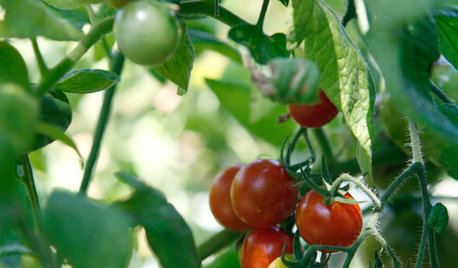
EDIBLE GARDENSSummer Crops: How to Grow Tomatoes
Plant tomato seedlings in spring for one of the best tastes of summer, fresh from your backyard
Full Story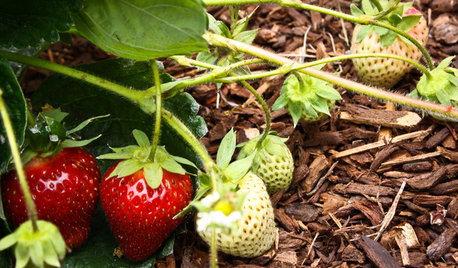
SPRING GARDENINGSummer Crops: How to Grow Strawberries
Pluck your own sweet strawberries right from the garden vine for smoothies, salads or eating then and there
Full Story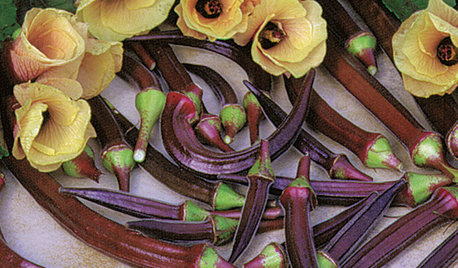
GARDENING GUIDESSummer Crops: How to Grow Okra
Go for the gumbo with this quick-growing edible that brings colorful pods and delicate flowers to a summer garden
Full Story
EDIBLE GARDENSHow to Grow Your Own Sweet Summer Crops
This guide will help any gardener get started on growing the freshest warm-season veggies and berries for summer
Full Story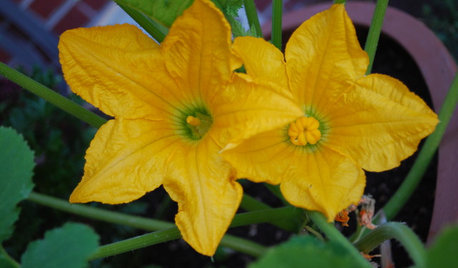
EDIBLE GARDENSSummer Crops: How to Grow Squash
Almost foolproof and with cheerful flowers, squash comes in a wide range of varieties to plant in spring
Full Story
SUMMER FRUITS AND VEGETABLESHow to Grow Your Own Fresh, Sweet Corn
Here's how to plant and care for your own mini cornfield
Full Story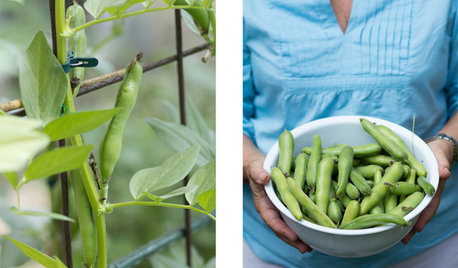
SUMMER FRUITS AND VEGETABLESSummer Crops: How to Grow Beans
Grow your own beans for amazing variety and healthy, convenient produce all summer
Full Story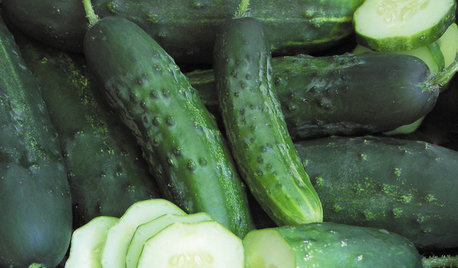
SUMMER FRUITS AND VEGETABLESSummer Crops: How to Grow Cucumbers
Pick a peck for pickles or opt for fewer and raw — no matter how you slice them, cucumbers are great for summer gardens small to large
Full Story
elisa_z5