Software
Houzz Logo Print
kgeezy20

Conifer ID

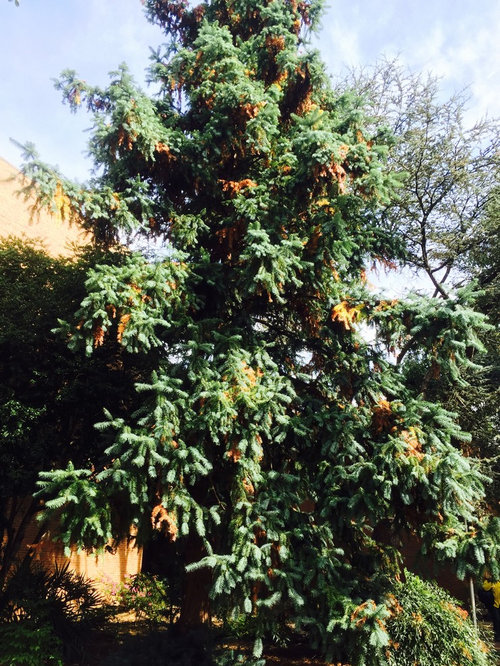
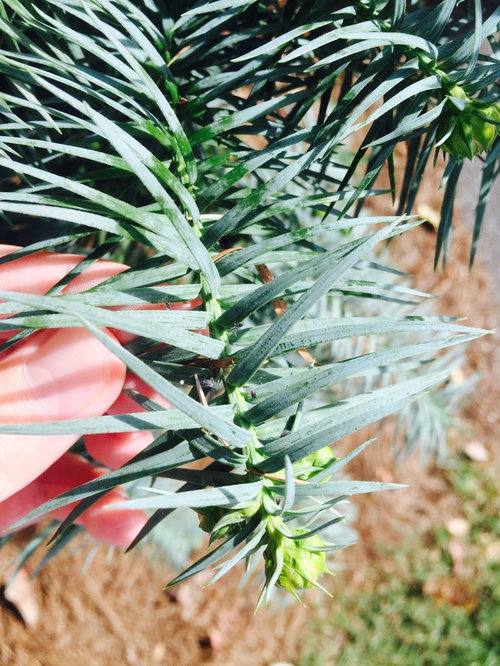
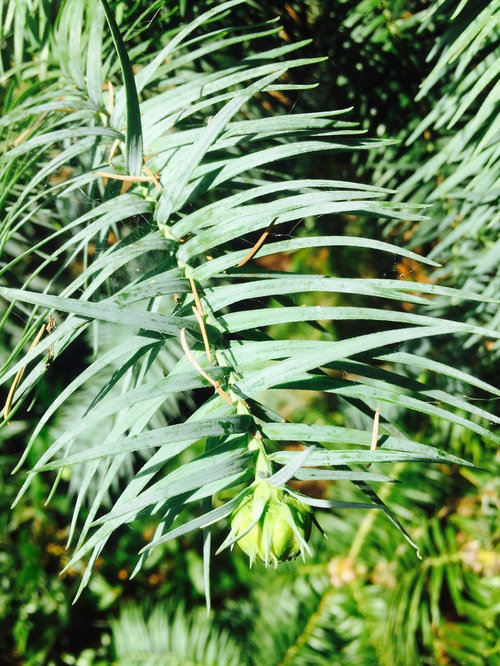
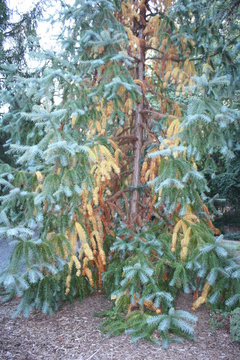
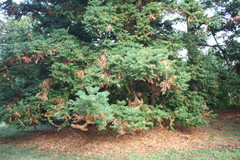
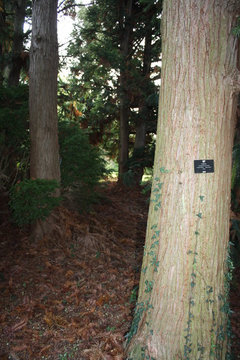
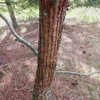
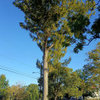
Hey guys. I finally got some pictures today of a tree that has intrigued me for some time now, however, I do not know what species it is. I was hoping some of you all would possibly know. Thanks.

Comments (15)

  • 11 years ago

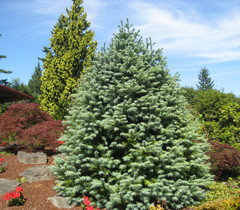
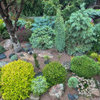
    Yup, Blue China Fir, Cunninghamia lanceolata, 'Glauca'. I just went out and took this picture of one with a Disanthus.

    I've rooted about 100 from cuttings in the early 80s. They're all big now.

    Mike

  • 11 years ago

    OPs pic is representative of China Fir, dirty underwear and all.

  • 11 years ago

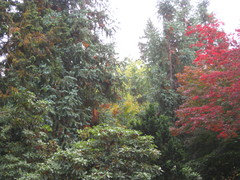
    I realize most people don't like the dead growth that hangs up in the branches until a good wind comes along, but I kinda like the looks of it. Took awhile though. It gives the tree an exotic look in my mind's eye.

    That's a Hinoki 'flagging' on the far left and a Acer japonicum, 'Aconitifolium' on the right. Pic taken today, looking south on a cloudy day.

    I have enough Blue China Firs to make a separate folder on them. About 20 from the original 100. The rest were sold or traded.

    Mike

  • 11 years ago


    While young the China Fir has an interesting habit and texture. Here in the east, my observation is that they decline with age. I have never seen an attractive, large specimen of China Fir but I'll keep on looking.

    Did you'all know that down in Dixie they commonly call China Fir the Monkey Puzzle Tree?

    Kyle (East TN, 6b/7a) thanked sam_md
  • 11 years ago

    Wow, thanks for the pics and identification Mike. That Disanthus is something else, I had never heard of it before. Definitely going to look into getting one for myself. Same goes for the Blue China Fir. I'm like you, I kinda like the looks of the dead growth. It makes it even more unique.

    From your experience Mike, where would you say the Blue China Firs grow best?

  • 11 years ago

    It likes summer water and reasonable drainage. Sun, of course, but can handle a surprising amount of shade.

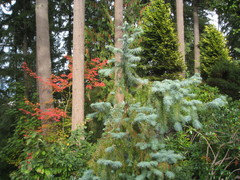
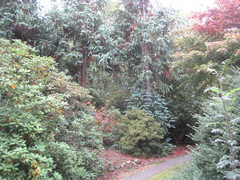
    This one was growing in quite a bit of shade until I cut down a Calocedrus decurrans (Incense Cedar) and a Leyland Cypress called Castlewellan. It had been growing a little on the loose side and should thicken up now. It was about 35 ft. tall when I cut it down the first time, then it sprouted many sprouts and I thinned it down to one.

    Acer circinatum in the background with a Parrotia under it and a Ternstromia on the right. It should fill in now also. Oh, and yellow seedlings of Lawson cypress on the upper right. Tree trunks are Pseudotsuga menziesii that I limbed with climbers in my younger days.

    Mike


  • 11 years ago

    When I saw China firs living in the heavy rains and volcanic soil of a Hawaiian cloud forest they had a solid outer surface through which the dead foliage might not show much. This is true with Sawara cypress and Thujas also, when they are full and dense the flagging is not visible, it is sparser specimens that show the dead junk.

  • 11 years ago
    last modified: 11 years ago

    Sam have you been to the VA State Arboretum? The Cunninghamias there, IIRC, look reasonably good and healthy looking. And they are quite large. Although some are mislabeled as 'Glauca' when they aren't blue at all.

    They are somewhat shaggy and disheveled even in their native habitat:

    JC Raulston Arboretum - Photographs


  • 11 years ago

    davidrt28, your post is very timely. I just returned from an event at Va State Arboretum near Winchester VA. Their limey soils don't seem to bother China Fir. They have 3 or 4 of them in the collection easily 60' tall.


  • 11 years ago
    last modified: 11 years ago

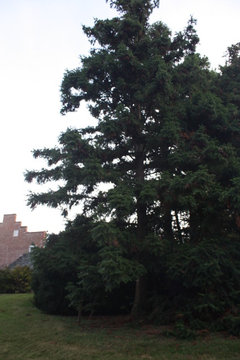
    Here's one I gave to my neighbor about 25 years ago. He thought it was getting 'too tall' so he cut it down and let all the sprouts from the stump grow. It's in full sun.

    Thuja plicata, 'Zebrina' in the background. I gave that to him also. We're good friends.

  • 11 years ago

    Thanks for the pics Sam. I almost wonder if the slightly limey soils there are in fact beneficial for this species.

  • 11 years ago
    last modified: 11 years ago

    Here's some more of mine. The tall ones are on the other side of the driveway.

    We had a good wind yesterday afternoon and it cleared all the dead growth out of the trees a little while after I took this picture. Power was off for 12 hours. My generator gets used several times a year.

    Mike

    This was taken two years ago when ice was beginning to form on the pond.

    http://i75.photobucket.com/albums/i283/Botann/My%20favorite%20pics/2710725280036511179FGQmkF_fs.jpg

  • 11 years ago
    last modified: 11 years ago

    Thuja looks too narrow and yellow for 'Zebrina' in this shot. Variegated branches seem to appear rather often on this species, with multiple different cultivars having been named and introduced. A couple of additional examples I brought back from Britain during the 1990s were 'Irish Gold' and 'Zebrina Extra Gold'.

  • 11 years ago

    Narrow and more yellow could be caused by full sun and very good deep topsoil in that area. Right next to it, he has his irrigated veggie garden enhanced by the liberal use of composted cow manure from his two cows he raises every year. He used to run pigs there, but fortunately he got the landscape bug from me and has a part time nursery.

    I bought the Zebrina in the early 80s from Wells Nursery in Mt Vernon. When it was very small I didn't like the looks of it so I gave it to my neighbor. It looked dull and washed out. After a few years at my neighbor's I noticed it started to look very good. He took the hint and gave me a small tree from a cutting he did. Mine is not looking near as bright yellow because it's in a lot of shade and not so good soil.

    Mike

Sponsored
Mary Shipley Interiors
Average rating: 4.8 out of 5 stars34 Reviews
Columbus OH Premier Interior Designer 10x Best of Houzz