Software
Houzz Logo Print
katiedsmith

Shrubs wilting and crisping up despite recent flood

10 years ago

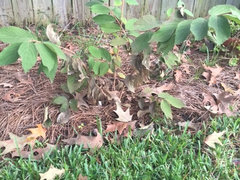
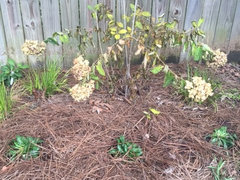
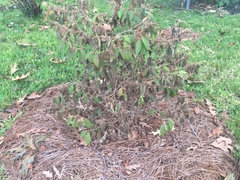
I live in zone 8b in SC. We were recently inundated with water as you all probably know. I have some shrubs and a couple perennials (bee balm) that look and act as if they haven't had any water for weeks. They are wilting severely and even have leaves becoming crispy. The shrubs are two doublefile viburnums and a limelight hydrangea. There is a tardiva that is also wilting but it doesn't have the brown crispy leaves the other three have.

What gives? Is it possible that the soil is so wet and gross and compacted that they can't extract water? I don't know what to think. I am thinking it has something to do with this past weekend, because they've never done this all through our drought and the heat of the summer.

Thanks in advance!

Comments (20)

  • 10 years ago
    last modified: 10 years ago

    Timing would suggest drowning, maybe they were also burnt by chemicals in the water.

  • 10 years ago

    timing would also suggest its late fall ... how do you differentiate the two reasons ..????


    also ... what is your base soil???


    how about a pic ...


    ken

  • 10 years ago

    Wilting and crispy isn't the normal autumn leaf drop.

  • 10 years ago

    It really hasn't been cool here yet at night. Next week is supposed to be in the 70s during the day and that sounds like autumn to me. :)


    My soil is supposedly sandy loam, but this part of the yard doesn't drain super fast.


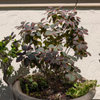
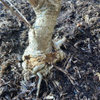
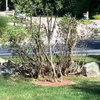
    Here are pics:


    Shasta viburnum (this one doesn't look too terrible):

    Limelight Hydrangea:

    Summer Snowflake double file Viburnum:


    These plants were all healthy looking and still green until about 2 days after the rain stopped. The sun came out and it was hot the day I noticed they started sagging. The summer snowflake looks the worst and its deterioration was rapid. It noticeably worsened over the course of a few hours the day before I posted this. It also sat in standing water the least of any of the plants pictured. The limelight would have been submerged the longest.

  • 10 years ago

    Katie, the symptoms you've described also apply to a plant that has been in saturated soils for extended periods of time. Yes, the roots cannot absorb water when they begin to die/drown.

    You'll see a lot of that in the days, weeks, and months to come. I used to live in Beautiful Beaufort and am just sick about the flooding.

  • 10 years ago

    So is it an automatic death sentence? Yes, it is truly awful. I should count my blessings that it's only some of my plants that I have lost.

  • 10 years ago

    Side question: How do I get my zone info into my user name? Do I just put that in my Houzz profile username?

  • 10 years ago

    Rhizo's got the answer. To elaborate just a bit, if soil is too dry, we see plant leaves wilt. If it stays too dry for too long, individual plant parts and perhaps entire plants can start to decline and die. So after two feet of rain or whatever unimaginable amount you guys got, how could this same thing be taking place? It's really quite simple: The plant roots are being starved of oxygen, which they need, and just as you and I would not do well without oxygen, these roots are starting to die. There may even be some root rot setting in. So, a plant in inundated soil actually will dry out and die due to a non-functioning root system.

    I've never been down there, but I picture it being an area of great beauty. Sorry for your tremendous losses, and here's hoping at least some of the greenery is able to survive.

    +oM

  • 10 years ago

    Thank you for your kind words, wisconsitom. And thanks for the explanation. This past weekend, there was an article in the paper by someone at the local extension office describing that we would see this, and that the plants that are dropping leaves are in survival mode, trying to put energy into generating new roots or something like that. :)

    Personally speaking we got off easy. We will see how my shrubs do. But we've all been put on "tree watch" for the next couple years. They tell us that trees could just topple over because of the ground's being loosened around the roots and making them unstable. That's a little disconcerting. I think the live oaks are what make this place. Hopefully they'll endure.

    Thank you again.

  • 10 years ago

    Hopefully the live oaks, great trees that they are, will tend to have big, widespreading oak tree root systems. But of course, all you can do is wait and see what transpires.....and what expires!

    +oM

    katiedsmith thanked wisconsitom
  • 10 years ago

    The fragility with the Live oaks is that their root systems are astonishingly shallow for their massive size. I've seen hundreds of examples in the Lowcountry (where Katie lives) where the roots are no deeper than 8 inches. Add to that the crisscrossing of sidewalks, streets, development, etc.

    Oaks benefit hugely from gypsum after salt water flooding and/or intrusion, every bit as much as shrubs and other plantings.

  • 10 years ago

    "So is it an automatic death sentence?"

    The unprecedentedly heavy June rainfall here north of Baltimore apparently killed a Hydrangea of mine planted in a low spot, but then at the end of the summer I noticed one small branch had sprung back and leafed out again. However that was a large 4-5 year old established plant. I think at this point if they look dead for you, they are dead.

  • 10 years ago

    My neighbor has a very grand red oak in her yard and it too has very shallow roots that run all over my yard and hers.

    I noticed the limelight has sprouted some new growth, even a new flower panicle. It looks the worst of anything. I won't make any rash judgements until late spring I guess.

  • 10 years ago

    Yes, what have you to lose by waiting things out a bit? Other than waiting things out a bit, I mean!

    Rhizo, in this context, what is the action of gypsum? I've seen it recommended for tying up salts in the soil. I assume that's not the main function here.

    +om

    katiedsmith thanked wisconsitom
  • 10 years ago

    I guess by late spring, they won't be rash judgements. :) Yes, I was wondering about the gypsum also.

  • 10 years ago

    Oh and for the record, the water that stood in my yard was rain water, not salt water.

  • 10 years ago

    That point is an important one, as you obviously get. I too wonder if that is the angle Rhizo was going for. Rhizo!?!


    +oM

  • 10 years ago

    Sorry, everybody! I've been talking with friends and former clients back in the Lowcountry for several days....about salt water flooding. Sodium and gypsum are NOT the topic of this whole thread, and I apologize for getting off track for a minute.

    Katie, I'm sorry for causing any confusion. Everything I (we) mentioned about soil saturation is right on the money.

    Thanks, Tom....for straightening me out!


  • 10 years ago

    No worries, if I had gotten salt water flooding it wouldn't have been off topic. :)