

Caleana major
Hello , I bought some Caleana major seeds but unfortunately i realize that they do not germinate . Is anyone have any suggestion to make this work ? Thanks
Comments (22)
 10 years agolast modified: 10 years ago
Flying Duck orchids are considered to be extremely difficult to grow. In some forty years of orchid growing I have never seen one in cultivation.
If the seed you have is genuine it needs to raised in a sterile medium and if the seeds germinate and grow they have to transplanted into a terrestrial mix.
Here is a pic. taken ages ago in the wild.
And here is a link to the Native Orchid Society Of South Australia notes.
Fereydoon Rezvani
Original Author10 years agoAs always thank you for the great info arthum i really appreciate it. You said sterile medium, can you please tell me what kind of medium are you referring to? And how can i make it. Thanks.
Related Professionals
Chillicothe Landscape Architects & Landscape Designers · Elgin Landscape Architects & Landscape Designers · Atlanta Landscape Contractors · Salisbury Landscape Contractors · Greenville Landscape Contractors · McComb Landscape Contractors · Augusta Landscape Contractors · Omaha Landscape Contractors · Manchester Landscape Contractors · Rochester Landscape Contractors · Palm Bay General Contractors · San Marcos General Contractors · Champaign General Contractors · Lima General Contractors · Montréal General Contractors- 10 years ago
Orchid seeds have nil or very small starch reserves and in nature very few germinate and those that do are assisted by favourable fungi.
There are numerous orchid medium recipes to be found on the net and some growers have been successful at home, but an orchid buddy who has made hybrids using some of my orchids as parents always send the pods off to a commercial lab.
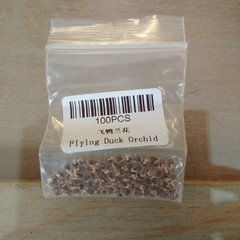
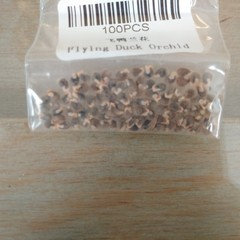
I m somewhat bemused that you have a pod of an extremely difficult if not impossible to grow orchid in Iran. Are you sure that you have the genuine item?
Fereydoon Rezvani
Original Author10 years agoDear arthum thank you again for the info. I know a guy who import seeds and I bought the seeds from him. You can find most plant seeds in my country. So as for medium do you have any medium recipes that I can use? Thanks
 10 years agolast modified: 10 years ago
Fereydoon, Once a long time ago I worked at an orchid nursery that had a propagation lab. I am sure there have been many changes since my time, but perhaps I can shed some light on the challenges you will face growing orchid seed.
The basic material used as a growing medium is agar....the same milky looking stuff with the consistency of Jello that medical labs use to grow germ and bacteria cultures on. The agar is fortified with some king of material that the orchid seed can begin to use as food from the first moment they germinate. The exact formula of nutrients is usually a very closely guarded secret with each lab. I can say that some of these for the more common orchids are banana or tomato based.
As you can see, the growth medium used is the perfect medium to grow mold or germ cultures on, and they would quickly overpower the very slow growing orchid seeds, and kill all of them.
The orchid seed are usually harvested just days before the pod opens, so the seed do not have to endure a harsh sterilization themselves. If the seed must be sterilized, it usually kills a large percentage of them.
The agar/nutrient solution is placed in a bottle or flask. The bottle is sealed with a rubber stopper with a hole that is filled with sterile cotton (this prevents natural air pressure variations from popping the stoppers, and filters out any spores in the air passing through.
The flasks are sterilized and remain sealed until planting time. The outside of the seed pod is sterilized, and opened in a sterile area (usually the operator sits in front of a hood that blows highly filtered air directly across the working area and into their face as they work.) The operator opens the flask, and uses a long wire with a small loop in the end to spread a thin layer of seed over the agar, and recloses the flask. The flask is put on a shelf under grow lights until the seeds germinate and outgrow that bottle.
When the little plants become two crowded in the bottle, they are transferred to other bottles (less plants per bottle = more bottles). This transfer process is of course conducted under the highly sterile process as the original planting. Depending on the plants, you can sometimes get by with one thinning before you place an exact number of plants in each bottle for sale, or as a count so you will know how many plants you are keeping to sell at the nursery. Sometimes it takes two transfers before the final flasking of a specific number of plants.
When the plants in the final containers are large enough, they are removed from the bottles and planted into flats
This covers approximately the first two years of the seven or so years it takes to get most orchids from seed to first bloom.
Now you also see why Arthurm's friend and the vast majority of non professional growers use the services of a professional lab to grow their seed.
Try this link. http://carterandholmes.com/lab.html
Bill
Fereydoon Rezvani
Original Author10 years agoHello Bill, thank you. Your info means a lot to amateur like me. if im going to do this i have to do it by myself because i don't know any professional lab. Only thing I need is a recipe for the medium. I can find agar what else I must find. And again thank you for great info. thanks.
- 10 years ago
I entered in google, how to make a lab to grow orchid seeds. https://www.google.com/?gws_rd=ssl#q=creating+a+lab+to+grow+orchid+seeds this is the link to that google. A lot of info...
- 10 years ago
Fereydoon, i have been trying to tell you in a nice way that the seeds you have are not orchid seeds.
Australia is the land of the Terrestrial Orchid. Unfortunately most of those orchids just pine away in cultivation. There are orchid societies where the only orchids grown are Australian Native Orchids and I am trying to contact one of their members to confirm that no one ever has grown the Flying Duck orchid from seed to bloom.
Fereydoon Rezvani
Original Author10 years agoThank you everyone for great advices. Arthum do you mean that the seeds that i have are not orchids seeds at all or they just won't germinate? I found couple of recipes such as potato based or banana based mediums and i also found more seeds from other Terrestrial orchids like Ophrys bombyliflora, Pecteilis radiata and Orchis italica. So im going to give it a shot with those mediums and wait to see what happens. Thanks to all for great info and advices.
- 10 years ago
After your experience with the "Flying Duck Orchid Seeds" you should seek further advice whether the other Terrestrial Orchids on your list are easy to cultivate.
Why are genuine orchid seeds so tiny? I suppose it has to do with seed dispersal, the wind will blow those tiny seeds far and wide and only a few have to land on the appropriate fungi for the tiny plants to grow and keep the species going.
Be aware that from the seed germinating to blooming size plant takes ages.
Good luck!
 9 years agolast modified: 9 years ago
Hallo
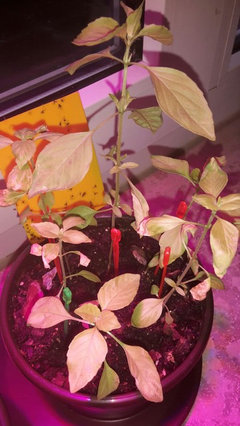
Auch ich habe mir im Oktober 2016 caleana samen bestelt und nach Cirka 1 Woche keimten sie auch schon bis jetzt Sind sie 18 cm und bekommen auch schon austribe. Ich habe sie auf ein stück orchideen erde ausgesät und sie bei 30 grad Celsius im und jeden tag im Glas gesprüht Terrarien Gestellt. (Ich bin in Deutschland)
- 9 years agolast modified: 9 years ago
Used google translate. My German is Nil.
Hallo m28102001
Hast du die Beiträge im Thread gelesen? Die Flying Duck Orchidee ist fast unmöglich, in der Kultivierung zu halten.
Flying Duck Orchidee Pflanzen haben ein oder zwei kleine grüne Blätter!
In über 40 Jahren Orchidee wächst ich noch nie eine auf einer Orchidee-Show oder Orchidee Gesellschaft Treffen gesehen.
Haben gesehen, es wächst in der Wildnis und die Blüten sehen aus wie kleine Enten im Flug
This is what I entered in Google Translate.....
Hello m28102001
Did you read the posts in the thread? The Flying Duck orchid is just about impossible to maintain in cultivation.
Flying duck orchid plants have one or two tiny green leaves!
In over 40 years of orchid growing I have never seen one at an orchid show or orchid society meeting.
Have seen it growing in the wild and the blooms do look like tiny ducks in flight.
- 9 years ago
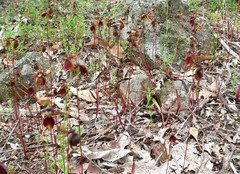
nach einigen jahren bekommt diese pflanze 1 großes blatt aber wen sie noch klein ist hat sie noch viele blätter die aber irgendwann abfallen uns sich an der spitze die sehr kleine blütte bildet.
Fereydoon Rezvani
Original Author9 years agoHi guys, Happy holidays. M28102001 Vielen Dank für Ihre Ergebnisse mit uns zu teilen. Ich schätze, wenn Sie halten uns zu diesem Thema gebucht. Vielen Dank
- 9 years agolast modified: 9 years ago
Here is a link that may be of interest. AND, of course there is always the problem of common names. Maybe one species of those beautiful terrestrial orchids from Europe has a common name of Flying Duck orchid.
- 9 years agolast modified: 9 years ago
Hallo
Disamen sterben icb habe Sind von amazon und klei. Die Pflanze sterben ich habe leiht Kevin der caleana sehr enlig sie hat alles war sterben auf den bild auch haben und sterben auf den bild Werden dan später Auch Blüten bekommen.
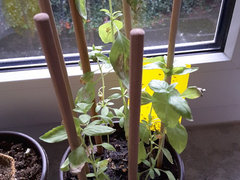
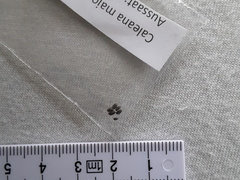
und das mit deb stirilen labor du hast recht sber in der natur mus ja nur der pilz da sein und der war bei mir da
 9 years ago
there was a time when I understood German, but that was long, long ago. I'm guessing that this gentleman grows this plant from seed. His pic of the blooms surprises me, I didn't know the blooms were so tiny.
- 9 years agolast modified: 9 years ago
The blooms of Paracaleana minor are about 4 tenths of an inch across. I did see a "Duck Orchid" growing in the wild and can understand why people would want to grow it.
The Royal Horticultural Society lists 13 species from Australia & NZ
Thank goodness for google translate!


m28102001