

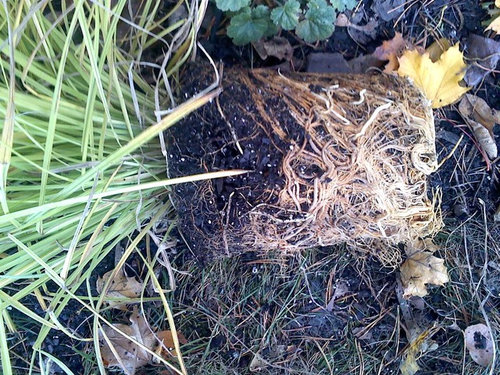
What would you do with this: solid roots in pot?
11 years ago
last modified: 11 years ago
Sort by:Oldest
Comments (11)

Related Stories
ARCHITECTURERoots of Style: Many Cultures Make Their Marks on Mediterranean Design
If you live in California, Florida or certain other parts of the U.S., your architecture may show distinct cultural influences
Full Story
ARCHITECTURERoots of Style: Where Did Your House Get Its Look?
Explore the role of architectural fashions in current designs through 5 home styles that bridge past and present
Full Story
MODERN HOMESHouzz Tour: A Modern Home Rooted in Its Place
It's partially buried in the earth, but with a cantilevered roof and strong colors, this Ottawa home is anything but shy
Full Story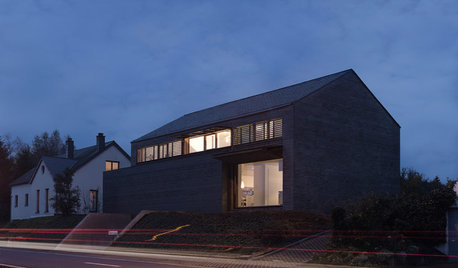
ARCHITECTURE3 Modern Homes That Are Rooted Yet Soar
These heavyweight houses show that solid looks can be deceiving, as they inspire a sense of wide-open wonder
Full Story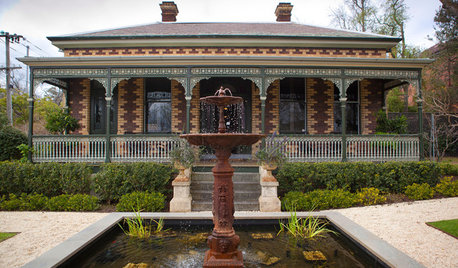
ARCHITECTURERoots of Style: The Historic Australian Brick House
With their mix of old-world charm and modern extensions, Australia’s brick villas and bungalows remain well designed for today’s lifestyles
Full Story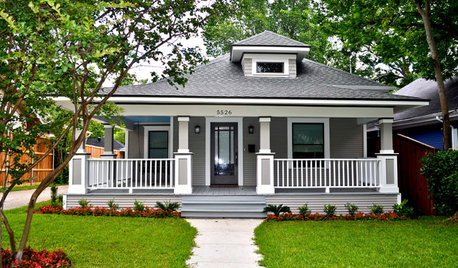
ROOTS OF STYLERoots of Style: The Birth of Modern Architecture
Learn how Prairie, Craftsman, art deco and other styles of the early 20th century came to influence architecture today
Full Story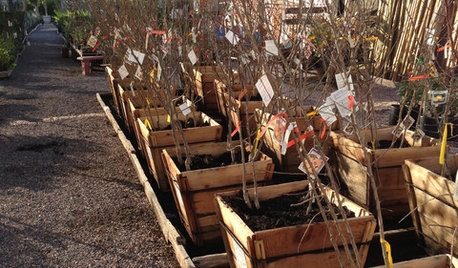
GARDENING GUIDESThe Beauty of Bare-Root Plants
Plant dormant trees and shrubs in fall using the easy, affordable bare-root method and enjoy beautiful results in spring
Full Story
KITCHEN COUNTERTOPSKitchen Counters: High-Tech Solid Surfaces Make Maintenance Easy
Sculpted by heat and nonporous by nature, solid-surface countertops bring imagination and low maintenance to the kitchen
Full Story
TRADITIONAL ARCHITECTURERoots of Style: Château Architecture Strides Through a Century
Live like a lord with design details that recall French estates of old, even if they're scaled down and updated for today
Full Story
TRADITIONAL ARCHITECTURERoots of Style: Georgian Homes Offer Familiarity Through the Ages
Americans have been embracing this interpretation of classical architecture since the 1700s. Does your home show off any Georgian details?
Full Story


peren.all Zone 5a Ontario Canada
linnea56 (zone 5b Chicago)Original Author
Related Professionals
Richmond Landscape Architects & Landscape Designers · Bridgeport Landscape Architects & Landscape Designers · Sarasota Landscape Contractors · Terre Haute Landscape Contractors · New Orleans Landscape Contractors · Starkville Landscape Contractors · Cincinnati Landscape Contractors · Beaumont Landscape Contractors · Webster Landscape Contractors · Las Cruces Landscape Contractors · Pensacola Home Builders · Aiken Home Builders · Florence Home Builders · Murrieta Home Builders · Coos Bay Home Buildersmad_gallica (z5 Eastern NY)
aftermidnight Zone7b B.C. Canada
aseedisapromise
ken_adrian Adrian MI cold Z5
linnea56 (zone 5b Chicago)Original Author
User
linnea56 (zone 5b Chicago)Original Author
diggerdee zone 6 CT
User