

Notes on contingency amounts:
10 years ago
Comment

Related Stories
HOUZZ TOURSMy Houzz: A Vancouver Condo Hits a Modern Note
Masculine accents, musical instruments and curated artwork infuse a Canadian bachelor pad with off-the-charts character
Full Story
KITCHEN DESIGNKnow the 3 Zones of Kitchen Storage
Organize storage space around your kitchen’s main activities for easier cooking and flow
Full Story
GARDENING GUIDESHow to Avoid Overcrowded, Overpruned Shrubs
Go for a more natural look that’s easier and less expensive to maintain by giving your plants the right amount of growing room
Full Story
BUDGET DECORATING8 Cost-Effective Ways to Get a High-End Look
Don’t discount that expensive material yet. By using a small amount in a strategic way, you can get a luxurious look without the expense
Full Story
REMODELING GUIDESModern Awnings: Sails Shade the Home
Today's fabric awnings add movement, color, and just the right amount of protection from the sun
Full Story
DECORATING GUIDESHow to Make a Room Easier on the Eyes
Create just the right amount of visual stimulation to feel more relaxed and focused at home
Full Story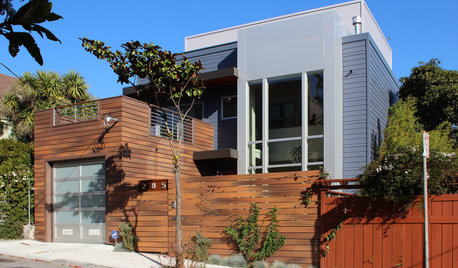
MATERIALSShould You Use Composite Timber in Your Landscape?
This low-maintenance alternative to wood is made from varying amounts of recycled plastic. Consider it for decks, fences and more
Full Story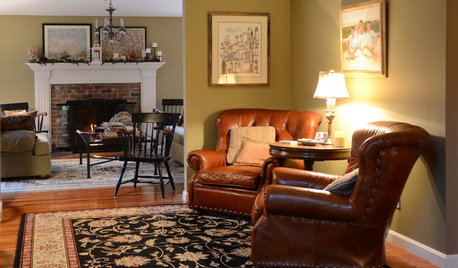
TRADITIONAL HOMESMy Houzz: Heartfelt Traditional Style Warms a Cape Cod Retreat
Family mementos, cool vintage finds and coastal-inspired touches add just the right amount of cozy to this New York couple’s vacation home
Full Story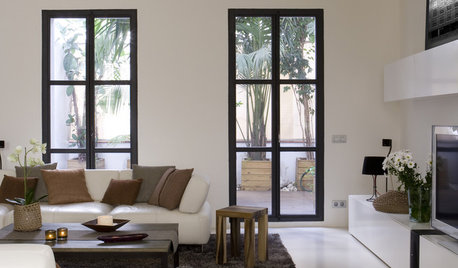
COLORWake Up Your Woodwork With Black
Strike a dramatic note with black window frames, shelves, stairs and more, making features stand out or blend in
Full Story
ORGANIZINGChecklists for a Well-Stocked Home
Thank-you notes, first-aid kit, clear glass vases ... It’s easy to go with the flow when you’ve got the items you need at hand
Full Story
Related Professionals
Terre Haute Bathroom Remodelers · Houma Bathroom Remodelers · Waco Bathroom Remodelers · Waterloo Bathroom Remodelers · Kearney Bathroom Remodelers · Anchorage Bathroom Remodelers · Annapolis General Contractors · Southaven General Contractors · Jacksonville General Contractors · Manchester General Contractors · Lufkin Interior Designers & Decorators · Grand Rapids Interior Designers & Decorators · La Crosse Interior Designers & Decorators · Farmington Interior Designers & Decorators · Williston Interior Designers & Decorators