

Soil remediation
10 years ago
Featured Answer
Sort by:Oldest
Comments (7)
 10 years ago
 10 years ago
Related Professionals
West Palm Beach Landscape Architects & Landscape Designers · Roanoke Landscape Architects & Landscape Designers · Salinas Landscape Architects & Landscape Designers · Bloomington Landscape Contractors · Columbia Landscape Contractors · Kankakee Landscape Contractors · Peoria Landscape Contractors · Sheboygan Landscape Contractors · San Diego Landscape Contractors · Provo Landscape Contractors · Greensboro Stone, Pavers & Concrete · Myrtle Beach Stone, Pavers & Concrete · Leominster Stone, Pavers & Concrete · Westerly Stone, Pavers & Concrete · Redding Stone, Pavers & Concrete- 10 years ago
- 10 years ago
- 10 years ago
- 10 years agolast modified: 10 years ago
Related Stories
FARM YOUR YARDHow to Get Good Soil for Your Edible Garden
The nutrients in your soil feed the plants that feed you. Here are tips on getting it right — just in time for planting season
Full Story
HEALTHY HOMEGet the Lead Out: Lead Safety at Home
Keep your family safe by properly testing for and dealing with lead in old painted surfaces, water and soil
Full Story
GARDENING GUIDESCommon Myths That May Be Hurting Your Garden
Discover the truth about fertilizer, soil, staking and more to keep your plants healthy and happy
Full Story
FARM YOUR YARDHow to Grow Vegetables in Containers
Get glorious vegetables and fruits on your patio with a pro’s guidance — including his personal recipe for potting mix
Full Story
GARDENING GUIDESGreat Design Plant: Pseudognaphalium Obtusifolium, or Rabbit Tobacco
This late-blooming native annual, also known as sweet everlasting, adds spontaneity to landscapes in the eastern United States
Full Story
GARDENING GUIDESGreat Design Plant: Chinese Witch Hazel
Brighten up your February with this easy tree's sunny winter blooms
Full Story
FRONT YARD IDEASBefore and After: Front Lawn to Prairie Garden
How they did it: Homeowners create a plan, stick to it and keep the neighbors (and wildlife) in mind
Full Story
GARDENING GUIDESRocky Mountain Gardener's September Checklist
Sharpen your spade and grab your gloves — warm days and cool nights in the garden mean it's planting time
Full Story
GARDENING GUIDESGreat Garden Combo: 3 Wonderful Plants for a Deer-Resistant Screen
Protect your privacy and keep deer at bay with a planting trio that turns a problem garden area into a highlight
Full Story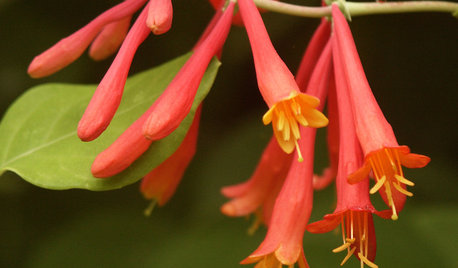
GARDENING GUIDESGreat Design Plant: Lonicera Sempervirens
Grow this long-blooming, flashy flowering vine to cover a fence or arbor and attract hordes of hummingbirds all season long
Full Story
glib