

Hood Question
10 years ago
Sort by:Oldest
Comments (2)

Related Stories
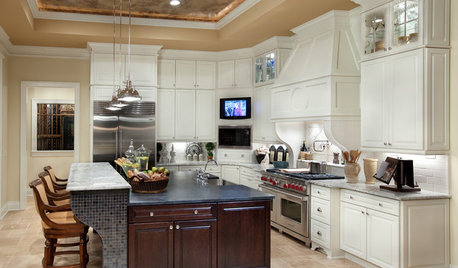
REMODELING GUIDESPlanning a Kitchen Remodel? Start With These 5 Questions
Before you consider aesthetics, make sure your new kitchen will work for your cooking and entertaining style
Full Story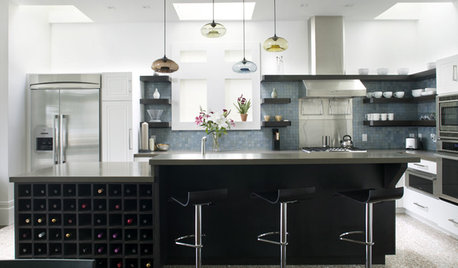
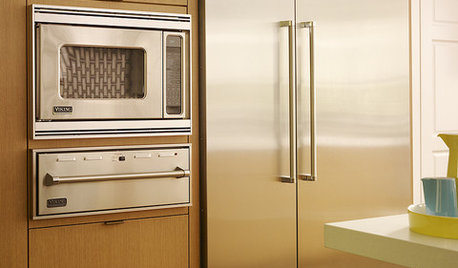
KITCHEN DESIGNA Cook’s 6 Tips for Buying Kitchen Appliances
An avid home chef answers tricky questions about choosing the right oven, stovetop, vent hood and more
Full Story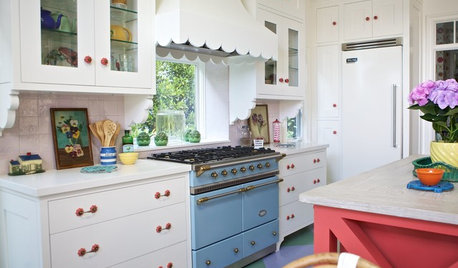
KITCHEN APPLIANCESThe Many Ways to Get Creative With Kitchen Hoods
Distinctive hood designs — in reclaimed barn wood, zinc, copper and more — are transforming the look of kitchens
Full Story
KITCHEN DESIGNHow to Choose the Right Hood Fan for Your Kitchen
Keep your kitchen clean and your home's air fresh by understanding all the options for ventilating via a hood fan
Full Story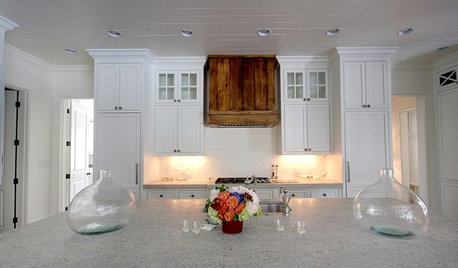
KITCHEN DESIGNWood Range Hoods Naturally Fit Kitchen Style
Bring warmth and beauty into the heart of your home with a range hood crafted from nature's bounty
Full Story
KITCHEN DESIGNWhat to Know When Choosing a Range Hood
Find out the types of kitchen range hoods available and the options for customized units
Full Story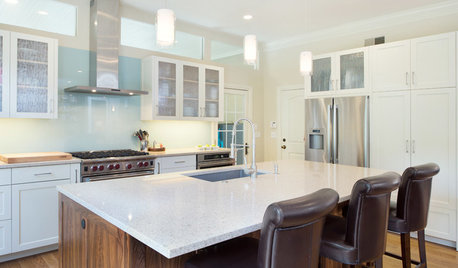
KITCHEN DESIGNModern Storage and Sunshine Scare Away the Monster in a Kansas Kitchen
New windows and all-white cabinetry lighten a kitchen that was once dominated by an oversize range hood and inefficient cabinets
Full Story
KITCHEN CABINETSCabinets 101: How to Work With Cabinet Designers and Cabinetmakers
Understand your vision and ask the right questions to get your dream cabinets
Full Story
LIFEHow to Navigate an Extended Guest Stay
Keep sharing living quarters a positive experience by pondering the answers to these questions in advance
Full Story
gigelus2k13
kaseki
Related Professionals
Columbia Kitchen & Bathroom Designers · Longview Kitchen & Bathroom Designers · Amherst Kitchen & Bathroom Designers · Brattleboro Kitchen & Bathroom Designers · Gainesville Bathroom Remodelers · Elkton Bathroom Remodelers · Jackson Bathroom Remodelers · Morgantown Bathroom Remodelers · Springfield Bathroom Remodelers · Wausau Bathroom Remodelers · Salem Bathroom Remodelers · Saint Joseph Kitchen Remodelers · Waco Kitchen Remodelers · Ithaca Kitchen Remodelers · Clearlake Kitchen Remodelers