

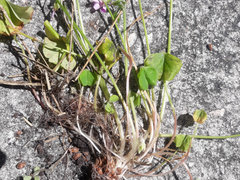
California garden weeds
10 years ago
Featured Answer
Sort by:Oldest
Comments (20)
 10 years ago
 10 years ago
Related Professionals
Wilmington Landscape Architects & Landscape Designers · Columbia Landscape Architects & Landscape Designers · Forrest City Landscape Contractors · Washington Landscape Contractors · Ocala Landscape Contractors · Burlington Landscape Contractors · South Sioux City Landscape Contractors · Salinas Landscape Contractors · Durango Landscape Contractors · Grand Junction Landscape Contractors · Springfield Stone, Pavers & Concrete · Hagerstown Stone, Pavers & Concrete · Lewiston Stone, Pavers & Concrete · Janesville Stone, Pavers & Concrete · Colorado Springs Stone, Pavers & Concrete- 10 years ago
- 10 years ago
- 10 years ago
- 10 years ago
- 10 years ago
- 10 years ago
- 10 years ago
- 10 years ago
 10 years agolast modified: 10 years ago
- 10 years ago
 4 years ago
- 4 years ago
 4 years ago
- 4 years ago
- 4 years ago
- 4 years ago
- 4 years agolast modified: 4 years ago
Related Stories
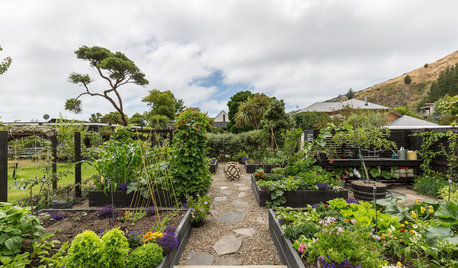
EDIBLE GARDENSNatural Ways to Get Rid of Weeds in Your Garden
Use these techniques to help prevent the spread of weeds and to learn about your soil
Full Story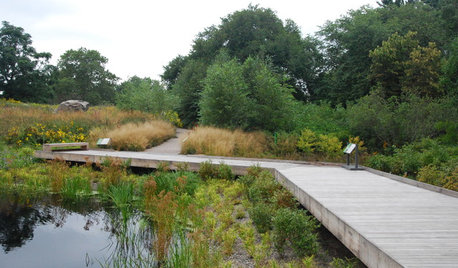
GARDENING GUIDESLet's Weed Out 4 Native Plant Myths
Plant wisely for a garden that supports pollinators and requires less work
Full Story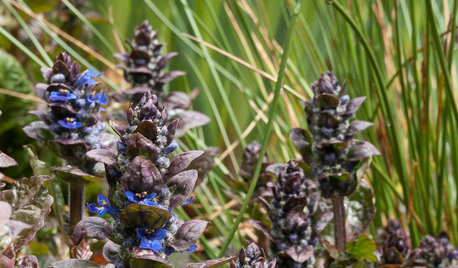
GARDENING GUIDESGreat Design Plant: Bugle Weed, a Quick Ground Cover
It’s highly adaptable, suppresses weeds, reduces erosion and provide weeks of bright flowers. Just watch for invasiveness
Full Story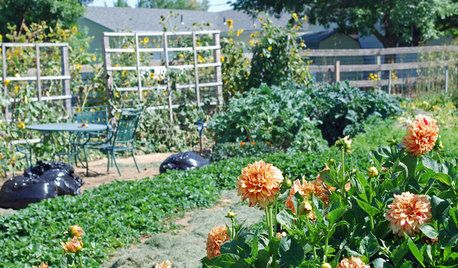
GARDENING GUIDESTackle Weeds the Natural Way
Instead of dousing your yard with chemicals to wipe out weeds, let time and nature work their magic via smothering and solarization
Full Story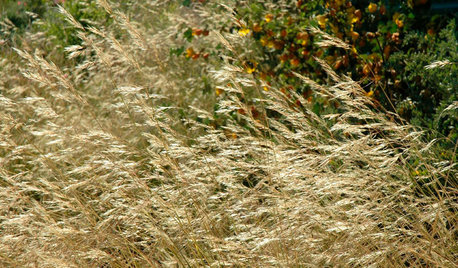
GARDENING GUIDESGreat Design Plant: Purple Needle Grass, California’s State Grass
The long-lived, drought-tolerant Stipa pulchra is as admired for its benefits as for its good looks
Full Story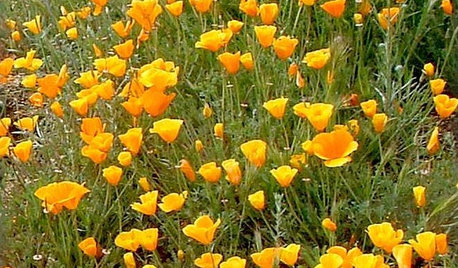
GARDENING GUIDESGreat Design Plant: California Poppy
Fall planting: California's state flower offers a glorious spring show and spreads readily in gardens under the right conditions
Full Story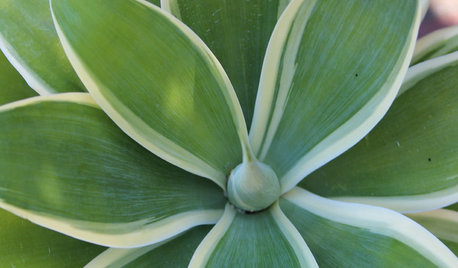
CALIFORNIA GARDENINGCalifornia Gardener's April Checklist
Outsmart droughts with water-savvy plants and sustainable approaches that suit the landscape
Full Story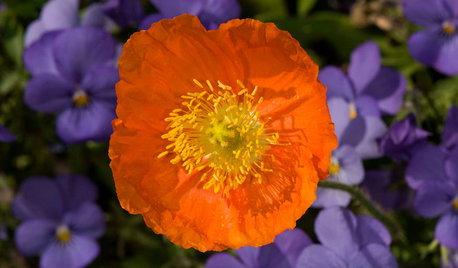
FALL GARDENINGCalifornia Gardener's September Checklist
Planting opportunities abound this month: perennials, lawns, wildflowers and more. Our primer covers 'em all
Full Story
FLOWERSGreat Design Plant: Joe Pye Weed
This unsung beauty tolerates wet soil, provides beautiful late summer blooms and attracts butterflies and hummingbirds
Full Story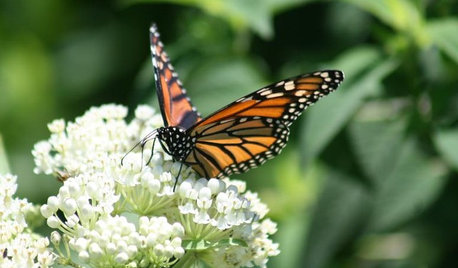
GARDENING GUIDESGreat Design Plant: Milkweed
Quit cringing. This not-weed plant is a sight to behold in the garden, has a delicious vanilla scent and is a magnet for butterflies
Full Story
gardengal48 (PNW Z8/9)