

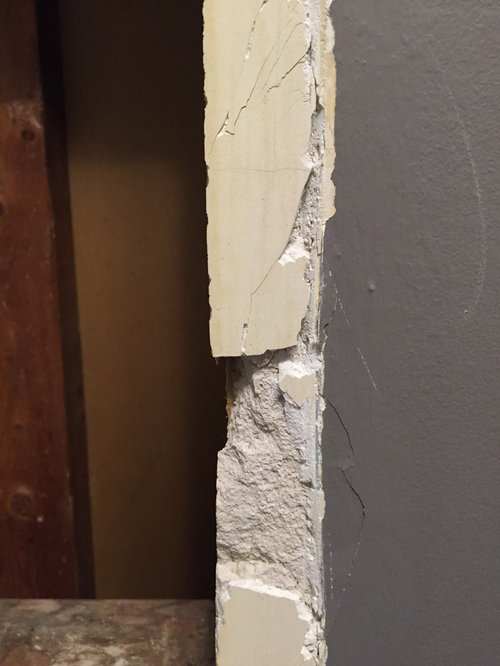
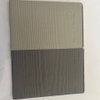
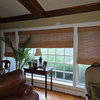
Please help me identify my wall type
10 years ago
last modified: 10 years ago




Sort by:Oldest
Comments (6)

Related Stories

GARDENING FOR BIRDSBackyard Birds: How to Identify Two Common Woodpeckers
Downy and hairy woodpeckers have similar coloration and behavior. But there are two big differences that separate them
Full Story

HOME OFFICESQuiet, Please! How to Cut Noise Pollution at Home
Leaf blowers, trucks or noisy neighbors driving you berserk? These sound-reduction strategies can help you hush things up
Full Story
DECORATING GUIDESCould a Mission Statement Help Your House?
Identify your home’s purpose and style to make everything from choosing paint colors to buying a new home easier
Full Story
GARDENING GUIDESGreat Design Plant: Ceanothus Pleases With Nectar and Fragrant Blooms
West Coast natives: The blue flowers of drought-tolerant ceanothus draw the eye and help support local wildlife too
Full Story
LIFEDecluttering — How to Get the Help You Need
Don't worry if you can't shed stuff and organize alone; help is at your disposal
Full Story
ORGANIZINGGet the Organizing Help You Need (Finally!)
Imagine having your closet whipped into shape by someone else. That’s the power of working with a pro
Full Story
SELLING YOUR HOUSEHelp for Selling Your Home Faster — and Maybe for More
Prep your home properly before you put it on the market. Learn what tasks are worth the money and the best pros for the jobs
Full Story


klem1
kflessOriginal Author
Related Professionals
Sebring Home Remodeling · Cincinnati Home Remodeling · Jamestown Home Remodeling · Santa Barbara Home Remodeling · Redding Home Remodeling · Provo Home Remodeling · Casper Home Remodeling · Washington Home Builders · Taunton Home Builders · Watertown Home Builders · Ottawa Home Builders · Jacksonville Kitchen & Bathroom Designers · Lake Charles Kitchen & Bathroom Designers · Wheeling Kitchen & Bathroom Designers · Lewiston Kitchen & Bathroom Designersklem1
party_music50
Sombreuil
kflessOriginal Author