

Understanding Pollination Rules
10 years ago
last modified: 10 years ago
Comment
Related Stories
GARDENING GUIDESGreat Design Plant: Eriogonum Nudum, a Summer Oasis for Pollinators
Naked buckwheat is a bee and butterfly magnet with an easy nature, a tough constitution and profuse pom-pom flowers in summer
Full Story
LIFE21 Things Only People Living With Kids Will Understand
Strange smells, crowded beds, ruined furniture — here’s what cohabiting with little monsters really feels like
Full Story
DECORATING GUIDES7 Design Rules and Why You Should Break Them
Think tile is only for kitchens and bathrooms? Art should hang at eye level? Time to consider breaking these old rules
Full Story
TASTEMAKERSAsk an Expert: What Is the One Design Rule You Live By?
Eight home experts share their top design rules
Full Story
DECORATING GUIDESDitch the Rules but Keep Some Tools
Be fearless, but follow some basic decorating strategies to achieve the best results
Full Story
MOST POPULARThe Polite House: On ‘No Shoes’ Rules and Breaking Up With Contractors
Emily Post’s great-great-granddaughter gives us advice on no-shoes policies and how to graciously decline a contractor’s bid
Full Story
LIFEHouse Rule: Off With Your Shoes
Do you prefer your guests to go shoeless in your house? Here are some ways to encourage stockinged feet
Full Story
PETSHouzz Pets Survey: Who Rules the House — Dogs or Cats?
New data shows that pets make people happy, and pet owners love spending big to return the favor
Full Story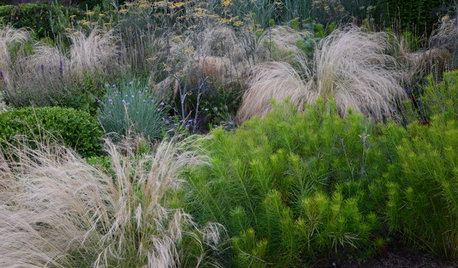
GARDENING GUIDES4 Ways to Break the Rules in Your Garden
For a more creative landscape design, take a different approach to planting
Full Story
PAINTING10 Rules for Your Next Painting Project
Take your next painting journey from ‘argh!’ to ‘ta-da!’ with these designer tricks
Full Story

Related Professionals
Lawrence Landscape Architects & Landscape Designers · Newark Landscape Architects & Landscape Designers · Madison Landscape Architects & Landscape Designers · Leamington Landscape Architects & Landscape Designers · Victoria Landscape Architects & Landscape Designers · Elkton Landscape Contractors · Florence Landscape Contractors · Platteville Landscape Contractors · Merced Landscape Contractors · Modesto Landscape Contractors · Amarillo Landscape Contractors · Florence Home Additions · South Bend Home Additions · Minneapolis Home Additions · Brattleboro Home Additions