Software
Houzz Logo Print
cbiscuit_gw

Fixing bare(ing) spots

10 years ago
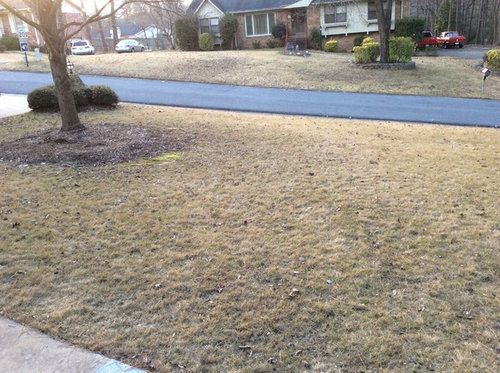
I moved into my house in May. The owners did a protocol of paying someone, so I am assuming synthetics. Great looking lawn! DCHall sold me on organics so now that I own the house, am switching to that. I started using alfalfa pellets and 1-2 applications of Milorganite. I didn't water it at all since moving in; it rained a lot, but I know I should have watered. I will this year using the sprinkler system.

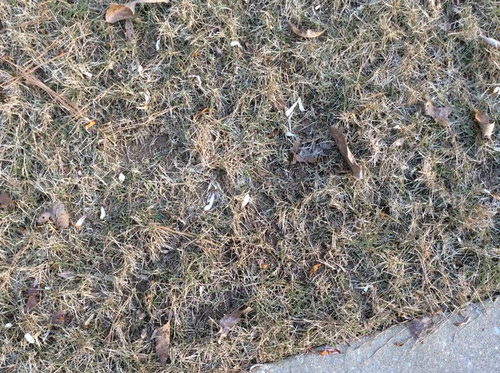
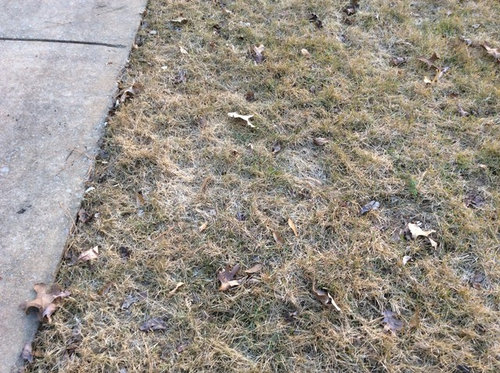
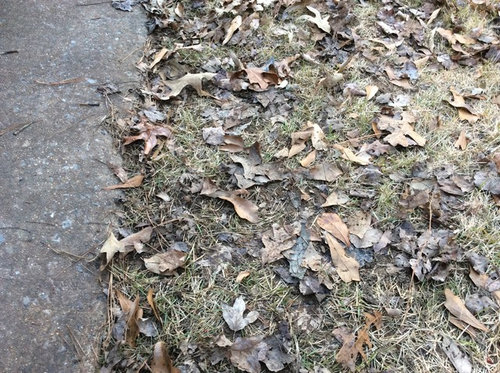
The yard remains weed free, but it's fullness seems to be decreasing overall (except for one spot by the mailbox for some reason), especially in spots along the driveway and side walk (pics attached hopefully). The leaves have been removed and the pictures don't do the spots justice....not that they are ultra-bad.


So, how do I repair the spots! Continue the course and it will correct itself? Did I potentially do something to cause it and can there un-cause it?


Thanks. This forum has been awesome and the advice VERY helpful. Once I get the hang of this stuff and develop some expertise, I can start pulling my weight.

Comments (15)

  • 10 years ago

    You should be ok. Too early to judge if a problem exists .

  • 10 years ago

    If the lawn looked great on synthetics why change it?

  • 10 years ago

    Where do you live?

    What kind of grass do you have?

    Do you have shade on the lawn?

  • 10 years ago

    Birmingham, AL

    i was told it is zoysia

    Sometimes. When the bare spots first became noticeable, the leaves were gone getting rid of the shade.

  • 10 years ago

    Dchall, does that answer your question?

  • 10 years ago
    last modified: 10 years ago

    Bump.

    i realize soneone has answered, but I would be interested in DCHall's take because he asked follow-ups.


    Also, it just rained and where the bare spots are starting is where there is water.


  • 10 years ago

    Thanks for the bump(s).

    Zoysia should be self healing. Near the driveway there is the possibility of chinch bugs in the summer. They almost always begin near warm concrete. Speaking of warm concrete, dry soil also starts there. It could be with infrequent watering, that the soil needs deeper water penetration by the driveway and sidewalk. The concrete retains heat all night and dries out the soil more than in the middle.

    Does any of this strike a nerve with you?

  • 10 years ago

    The water could very well be it. I have also heard that you can have trees or grass, but very rarely both as they compete for the same nutrients (future post on this).


    Never heard of chinch bugs. The issue started in the winter. I thought that the grass was walked on during the wet winter. Hopefully it does heal itself. I also will definitely water this year.

  • 10 years ago

    How much had it rained when you took those pictures. If it was a little rain then you have a problem, if it was a lot especially over a short period then you do not have a water problem. In a heavy rain any yard will look like that. It is impossible to get a yard completely smooth, and exactly sloped so all rain will run off without some puddles.

  • 10 years ago

    It looks like excess leaves & thatch are collecting in the thinner spots, causing more suffocation or shading? Previous owners may have been overwatering for years & the shallow roots couldn't keep a dense turf when the sprinklers were finally turned off. Adding standing water to all that gunk collecting in the thin spots and it's all downhill. The close ups don't show it but those wide shots sure look thatchy. Can you dust a few of those bad spots with compost & check for improvement after a week or so?

  • 10 years ago

    So, that was my first, highly uneducated/unqualified guess (leaves). When hou say thatchy, I initially think that I switched to organic last summer. I thought with organic, thatch takes care of itself. How long does it take to get there?


    when you say compost, you mean like the stuff you buy at Home Depot, sprinkle it on the spots, and the organicness of it all helps naturally heal/repair the bald spots? Even while grass isn't yet green?

  • 10 years ago

    Yeah, organicness--Great new word! It will take a long time for the wee beasties your organics are feeding to munch enough thatch to notice, like years. Until you see worm castings evident across the whole yard, stay on top of minor thatch with a basic rake. Not many grass types can handle the power rakes or power dethatching like Bermuda can, but I'm not sure about zoysia. You can get compost many places, but black cow brand from Lowe's is my usual convenient choice, unless you need bulk. Most soil & mulch yards will sell bulk compost by the yard if you really need a lot of it. The grass will green up very quickly in any spot where compost is applied & It's like worm candy.

  • 10 years ago

    Got some compost and wll appky and check in a week. Thanks for that advice. I'll let you know how it goes!

  • 10 years ago

    I spread some compost where i saw bareing spots. Initially weeds shot up where ever the compost was. I did nothing and they eventually lessened. I want to see how much thicker grass will do. Walking through the yard the other day i got dismayed at how much better it looked last year when i bought it. Granted, the grass is starting to green, but not yet grow. I did put down some alfalfa pellets a few weeks back on one of the Federal holidays. I think i read somewhere that it may take a season or two when you switch to organic for really good effects. True?


    it just rained. I wouldn't call it a downpour by any means; about 0.3" in last hour and change. These are the pics. Do i have an issue?


    i plan (still) to Logan Labs my soil soon. I also plan to do a jar test, but in all ignorance, I'm not sure what it tests or tells me.


  • 10 years ago

    Bump?

Sponsored
NME Builders LLC
Average rating: 5 out of 5 stars2 Reviews
Remodeling Company in New Albany, Ohio