Software
Houzz Logo Print
lamarons21

Low condo reserves- deal breaker for small building?

10 years ago

I am looking at a small boutique condo building in Washington, DC. The 6 unit building was fully renovated in 2007. All tenants are paid up, but they have not been doing a good job of keeping reserves. The increased HOA significantly last year several times, which have risen from $219 to $342 (nearly 55%) to try to build reserves up. Currently, they just have about $1,200 in reserves. The 2016 budget is $17,500 (with 10% reserves).

They have a management company, but not sure why they did not suggest to save at least 10% each year for reserves. They just fixed a roof leak in January, and seem to have kept the building up with the cosmetic stuff I can see. Each unit has their own HVAC, and the shared costs would just be the flat roof, entry door, trash, lights, cleaning the hallways, snow removal, master insurance, water, and management company fees. There is not any landscaping.

I am trying to find out the rationale as to why they did not keep more reserves over the years. In 2013 and 2014, for example, they did not budget to collect any. In a letter written by the condo president, he said they they are planning to do a roof survey this year, and any unforeseen expense would be paid by a special assessment. Also, 2 units sold last year, and 2 are for sale now (including the one I am looking to buy). That means there will be an entirely new condo board who can make better group decisions. The president is one of the people that is staying, but I do not know how long he has been president. He lived oversees for a while, and has come back and made many changes.

The area is poised for tremendous growth, so I am not concerned about the values dipping. Actually, I could easily see 25% growth in the next few years based on other development in the area. I am more concerned about how fearful I should be.

Thoughts?

Comments (20)

  • 10 years ago

    We own a condo in a 15 unit building. The condo association has decided not to fully fund reserves for years. At every annual meeting of the association, the owners actually vote not to fully fund the reserves. It is more of an acknowledgement that there not enough going into reserves to protect the board. Historically, all large ticket items are paid by special assessment. So far, collecting that hasn't been a problem. We've paid for a new roof (ocean front building so not an expensive project) and painting the exterior. Check on the condo laws in DC. Virginia requires a reserve study every five years I think. DC may have a similar law. If so, ask for a copy of the study.

    lamarons21 thanked jlhug
  • 10 years ago

    I don't think they have a reserve study, and I am not sure of the DC laws. Do you think this seems totally crazy, or is it somewhat normal?

  • 10 years ago

    Well, it depends a lot on the condo owners. We've owned a condo in a large (100+ units) complex where everything was done by the law. And we have this one in a small "complex". It is a single building. The common areas are the roof, exterior walls, elevator, some common balconies and staircases, gated parking area, fire sprinklers, and probably a couple of things I'm forgetting right now. The roof assessment about 10 years ago was around $10,000 or $12,000 for each unit. Owners had been warned that the expense was coming. We had about $20,000 in reserves to get the project started. The rest came from a special assessment.

    As the original "don't want to spend a dime for reserves" owners have sold their units, the new owners have been more open to the idea of creating reserves. One of the arguments against adding an adequate amount for reserves to the budget and monthly fee is the issue of how a high monthly condo fee impacts people who want to buy. If someone needs a mortgage, the condo fee is added to the monthly costs to own when qualifying for the loan.

    Take a good hard look at the budget to see if how much is there for repairs that all buildings require. Ask the manager what happens if the roof blows off or some other major component of the building suddenly needs a repair? How quickly can they hold a condo association meeting, pass a special assessment and collect the money?


  • 10 years ago

    So to be clear, it cost $150K just to have the roof looked at, or were repairs done? Also, was the assessmenta one time fee, or was it spread out?

  • 10 years ago

    That was the removal of the old hot mop roof and installing a new membrane roof at the top of a six story oceanfront building. All of the heat pumps are located on the roof which added to the expense. Access to the roof was a problem which raised the price. They either used the elevator and one flight of stairs, went up six flights of stairs or rented a lift of some sort to get the materials on and off the roof. I think everyone was given four or six months to pay their assessment. There was a delay between when contract was signed and when the work started.

    Painting the exterior is also interesting because whoever paints it has to use a swing stage.

    What was replaced/repaired/updated in the renovation? Did they replace the roof or paint the exterior? How did they pay for the renovations - reserves or a special assessment?


  • 10 years ago

    The building was vacant, and it was fully gutted. The exterior was painted, I am assuming the roof was done because everything else was new.

  • 10 years ago

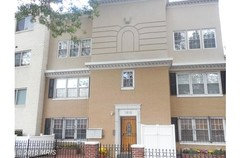
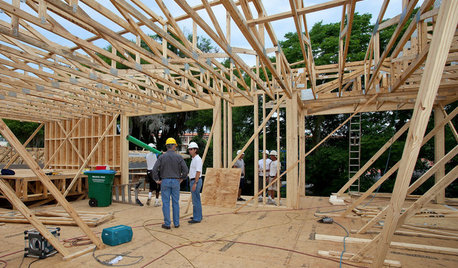
    Here is a picture of the building.


  • 10 years ago

    Whether or not the reserves are too low really depends on the condition of the building and if repairs or replacement of major components may be needed in the future. Ask for the reserve study if there is one and do a good analysis of the budget for the building.


  • 10 years ago

    We picked our condo because it had a very healthy reserve and because of that, the painting of the whole condo was covered by our reserve. Our replacement of the AC units on the roof last year were covered by our reserve. Now we are completely redoing all the plantings around the condo (100 units) and yes, it's all covered by our reserve. Because we have a healthy reserve, our board is able to make sure to upkeep our premises so they're in tip top condition and so we can compete in terms of resale with the newer buildings going up around us.

    The only thing that was not covered by our reserve was we all voted to have water cop's installed in our units. That set each unit back about $4,000.

    Compare that to one of the buildings down the street that didn't have a healthy reserve and because of that, the board kept putting off fixing what was first a small structural problem that eventually became a major structural problem. If they had fixed it before it became a hazard the residents would have had a large assessment. It became such a major problem that all the residents had to move out because it was structurally unsound. There was even some talk about tearing it down. That was almost 6 years ago and residents will only be allowed back in next month. It wound up costing all the residents many times more in assessments for structural engineers, fees to the city, plus then the cost of shoring up the whole building.

    At the lowest point about 1-3 years after the residents had to move out, condos in the building, all with water views, were selling for between $20,000-$30,000. Meanwhile condos surrounding this building were selling from the mid 200's on up to 2 million.


  • 10 years ago
    last modified: 10 years ago

    DC Condominium Act

    In addition to a reserve study that includes a physical analysis (how long the various common elements will last and how much replacement costs will be --- e.g. the roof), I'd ask what past assessments they had.

    Also, carefully review their budget and expenditures. Some condo associations try to keep their HOA fee low for resale, but then you may get slammed with a 20K assessment, which would also really scare me. Imagine if there's only one person not paying up. In DC, it would take a considerable time to get the person to pay up while the other five would have to carry that person's load. I don't think foreclosure is even possible. The HOA just puts a lien on the property.

  • 10 years ago

    While some condo boards hold too much in reserve, having nothing would be a big turn-off for me. Our Maui AOAO has only assessed us once in 15 years -- when every second-story lanai (150 units) needed a pair of 8-foot long planter boxes replaced and re-planted. (This is a shared expense because the plants are a major factor in the overall appearance of the complex.)

    Our long-range budget shows every aspect with the number of useful years remaining for each thing estimated -- with reserves in place to do the work before anything becomes a problem. Re-roofing, painting, resurfacing, pool and tennis court repairs, etc. are undertaken on schedule.

    Ours is a 316-unit complex. If one or two owners defaults, it's not a disaster. With a 6-unit building...a single owner's default would be a big expense for the others.

  • 10 years ago

    I lived in a coop in DC (Kalorama) that was very well run with high reserves. However, there were always unforeseen repairs e.g. plumbing problems, lead paint removal mandated by the District, etc. which precipitated a modest special assessment. I finally moved out of the building for fear of a massive special assessment. My building was medium sized, about 50 apartments. If I were you I would be very concerned about new special assessments especially with no reserves. Once you have one it can make it difficult to sell. My other concern would be rental rules. Does the building prohibit rentals?--a friend of mine is essentially stuck in his condo in DC because it has so many renters banks won't write mortgages. Might be a big risk in such a small building.

  • 10 years ago

    I found out the association was in debt $5K too, so I am not moving forward. I am actually thinking about suing for all of the costs associated with me trying to buy it since they did not disclose their debt (inspection, appraisal, condo docs, etc).

  • 10 years ago

    How did you find out unless it was in the condo documents? Or in other words, when would you have expected to be told about the debt?

    I don't know how DC works, but in MD, the last step after an offer has been accepted are the condo docs, so if you find something in there you don't like, you just walk, but you have no recourse for suing for reimbursement of the inspection, etc..

  • 10 years ago

    I would not advise purchasing in a complex that has no reserves. IME, that reflects poor management at best.

  • 10 years ago

    The new board president told me that they were in debt. He told me about an assessment earlier this year to try to eliminate some of the debt, and said there may be an assesment soon to take care of the rest of the debt. The budget that they submitted did not show debt. The condo docs did not say this, that is why I am thinking about suing.

  • 10 years ago

    Besides time and grief over looking into the condo, what money are you out that you can sue for? You didn't buy it, right? The earnest money should be returned to you. So that leaves the inspection amount which probably was minimal.

  • 10 years ago

    I paid $300 for inspection, $500 for appraisal, and $200 for condo documents. I also took off work for the inspection. I know it may seem petty, but that is a lot of money to me that can actually be spent for my next house. They deceived me. They were aware of the issues and did not disclose it to me. I wasted a month dealing with this house, which prevented me from other opportunities.

  • 10 years ago

    You could try small claims court, but I still don't see at what point the HOA was legally required to disclose debt. It sounds like the special assessment only happened within the last two months, so unless you had the monthly statements, it may be hard to prove that they knew earlier about the debt.

    I sure wouldn't want to waste more time and money on suing them.

    Of course, the other possibility is to go back to the seller and ask for payment/reduction in price of the upcoming assessment. Not that I'd recommend this.