

Damp basement
10 years ago
Sort by:Oldest
Comments (4)
Related Stories
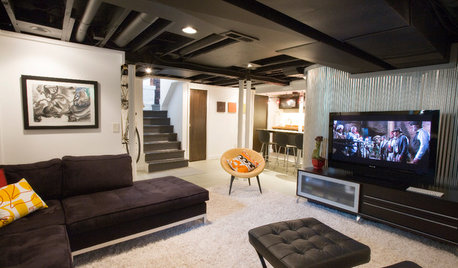
LIVING ROOMSBelow My Houzz: An Inviting Basement With Industrial Edge
Reconfiguring a cramped, damp basement opens up a new world of sleek, functional spaces
Full Story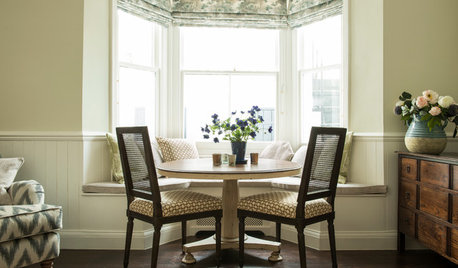
SMALL HOMESHouzz Tour: Garden Apartment Gains Space and Light
From a damp, dark basement to a beautiful, warm home with lots of light-flooded space, this London flat has been on quite a journey
Full Story
ROOM OF THE DAYMy Houzz: Basement Artist Studio to Inspire
Old things find a new life in this Portland homeowner’s creative sanctuary for art and tinkering
Full Story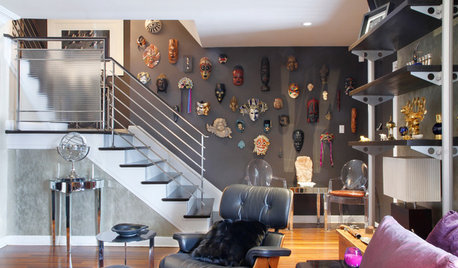
BASEMENTS10 Ideas for an Anything-but-Boring Basement
Let your imagination run wild and get the most bang from your basement
Full Story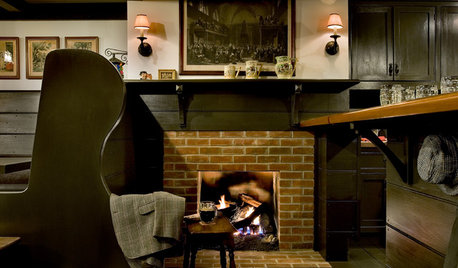
BASEMENTSBasement of the Week: London Pub Ambience in Upstate New York
Dark as a Guinness stout and cozy as a Shetland sweater, this U.K.-style basement bar has everything a pub lover could want
Full Story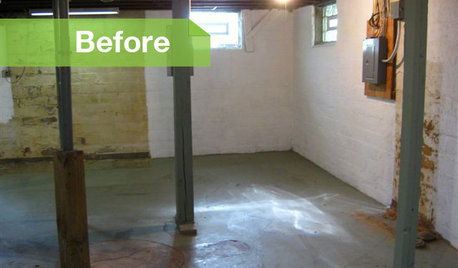
BASEMENTSBasement of the Week: Modern Style Converts an Empty Concrete Box
From raw wasteland to fab living, sleeping and storage space, this snazzy basement now covers all the angles
Full Story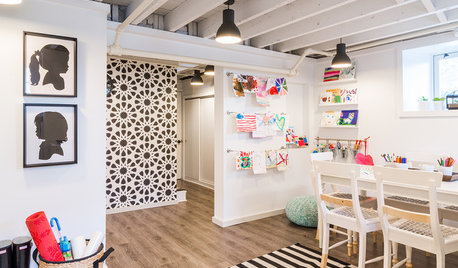
BASEMENTSBasement of the Week: A Creative Space for Kids and Storage for All
With mudroom organizers, laundry and a well-organized space for crafts, this basement puts a Massachusetts home in balance
Full Story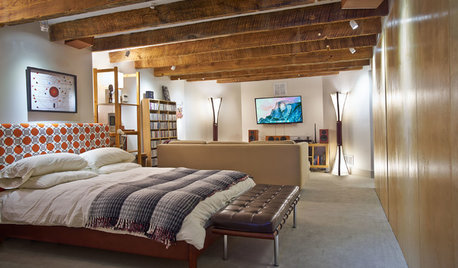
BASEMENTSRoom of the Day: Swank Basement Redo for a 100-Year-Old Row House
A downtown Knoxville basement goes from low-ceilinged cave to welcoming guest retreat
Full Story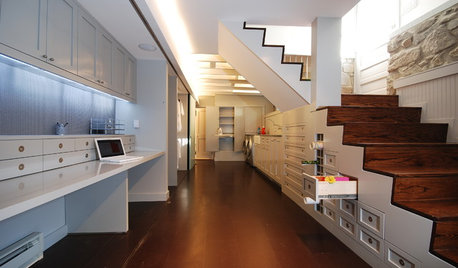
BASEMENTSDouble Take: The Disappearing Home Office
Watch a long workstation in a renovated basement vanish with the wave of a wand — er, with some clever architecture anyway
Full Story
BASEMENTS5 Awe-Inspiring Basement Renovations
Talk about transformation. These once-utilitarian spaces are now fully designed and inviting places for living, working and playing
Full Story


mushcreek
prdoyleOriginal Author
Related Professionals
Brunswick Architects & Building Designers · Newburyport Architects & Building Designers · Canton Architects & Building Designers · Mansfield Architects & Building Designers · McAlester Design-Build Firms · Coldwater Design-Build Firms · Muskegon Design-Build Firms · Buffalo Design-Build Firms · New Orleans Home Builders · Rolla Home Builders · Cincinnati Home Builders · Anderson Home Builders · Rochester Home Builders · Los Angeles Home Builders · Vancouver Home Buildersmushcreek
worthy