Software
Houzz Logo Print
halo2addict

Help with tree

10 years ago
last modified: 10 years ago
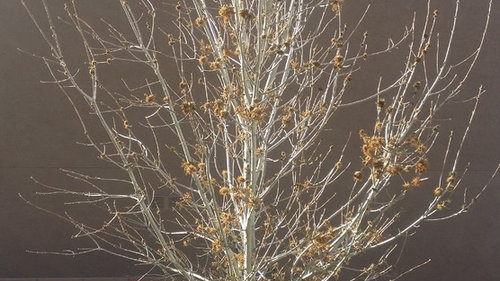


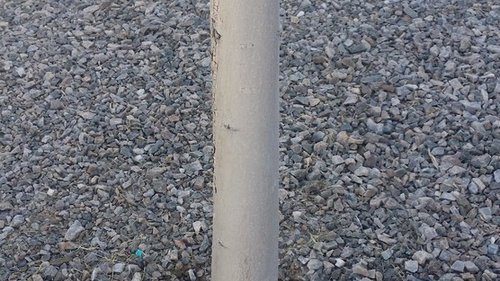
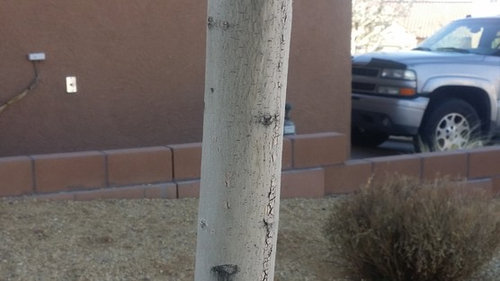
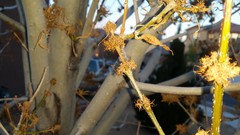
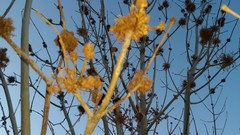
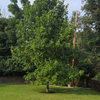
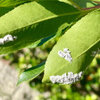
Hi, I live in Rio Rancho NM. Not sure what kind of tree this is. However I bought the house in 2011 and the tree has done fine up until last spring. The tree did not leaf out and towards the very end of last summer the tree seem like it wanted to leaf out. It never did as you can see in the pictures below. The tree is alive. I have no idea what's going on. I see black coloring around the tree. Does it have a disease? You're help would be greatly appreciated. Anything I can do to it in order for it to recover?

Comments (15)

  • 10 years ago

    P.S. The black stuff is sooty mold and is of no consequence.

  • 10 years ago

    Almost looked like "crunch berries"...our sometimes-term for the distorted male flowers on ash affected by ash flower gall mite. But like you Brandon, I was not able to make a positive ID. Are there ash trees in NM?

    Addict, you sent in some good pics. But may I request yet another shot, with extreme close-up of twig ends?

    halo2addict thanked wisconsitom
  • 10 years ago

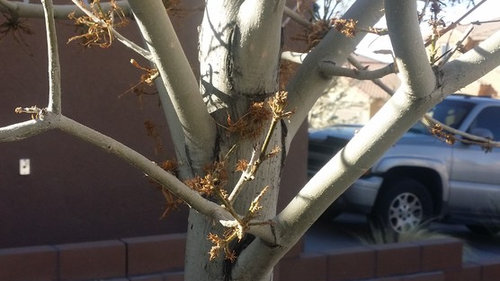
    Hey guys, here are a couple of more pictures. Thanks so much for you're input. I don't believe we have ash trees here in New Mexico.

  • 10 years ago

    There are actually several species of ash native to New Mexico. Fraxinus cuspidata, anomala, velutina, berlandierana and maybe even more.

    halo2addict thanked Huggorm
  • 10 years ago

    Almost looks like those flowers emerged, then died.

    halo2addict thanked bengz6westmd
  • 10 years ago

    if it did not leaf out.. LAST YEAR ... its not going to leaf out this year.. as it died last year ...


    ken

    halo2addict thanked ken_adrian Adrian MI cold Z5
  • 10 years ago

    Agree with Beng-it does look as though the flowers dried up shortly after emerging. As to the ash flower gall mite-if that is even an ash tree, which I still can't quite make out-these are nuisances and not at all anything to do with the tree's demise. Sorry I couldn't do better-the time of year is making it hard to tell what's what, as far as new, old, or in between.

    But as Ken says, if it was dead last year, it's still dead now, lol. The seeming attempt to leaf out late last year would also tend to support the idea that it is now deceased. As one final check, scratch somewhere on the stem and look for green cambium just beneath the bark. If green, there is somehow still some life in this thing.

  • 10 years ago

    I'd question whether the black substance was in fact sooty mold. Sooty mold forms on the excretions (honeydew) of sucking insects, like aphids and scale. If the tree did not leaf out last season and there is no other larger plant overhanging the area, then it's hard to imagine a) where the honeydew came from to generate the growth of sooty mold (no leaves, no aphids or other plant sucking insects), and b) I'd expect to see it on the top of branches rather than the underside. And most certainly not at the base of the trunk!!

    halo2addict thanked gardengal48 (PNW Z8/9)
  • 10 years ago

    I'm with brandon - looks like herbicide damage.

    halo2addict thanked arbordave (SE MI)
  • 10 years ago

    So there is not an option to repair the damage and get it to recover for next spring? The tree is just simply deceased and I will need to replace?

  • 10 years ago
    last modified: 10 years ago
    Thank you everyone for taking the time with this.

  • 10 years ago

    Do that scratch test first. May as well be certain one way or another. But if no life in the plant, well then yes, it will not resurrect itself on Easter Sunday. Which may strike some as a bad analogy.

    What do you know of any potential pesticide treatments-of any kind-in the area within the last couple of years?

    As far as the black shading under some branch crotches.....I don't think it to be significant here.

  • 10 years ago

    "Sooty mold forms on the excretions (honeydew) of sucking insects, like
    aphids and scale. If the tree did not leaf out last season and there is
    no other larger plant overhanging the area, then it's hard to imagine a)
    where the honeydew came from to generate the growth of sooty mold (no
    leaves, no aphids or other plant sucking insects), and b) I'd expect to
    see it on the top of branches rather than the underside. And most certainly not at the base of the trunk!!"

    While sooty mold can form on excretions from sucking insects, it is also commonly seen on tree trunks (and other plant parts) where sugary exudate is produced by the plant (especially from certain types of wounds or breaks in the bark). The patterns shown in the pictures above are very typical of this phenomenon. I think chances of the black coloration being sooty mold are fairly high. And again, it's of no consequence to what is happening with this tree.

  • 10 years ago

    I see several indicators of trouble. Bottom line: if any leaves pop, wow. If they actually persist until June, maybe there is a tiny chance of being OK. IMHO issue is all that reflected heat from the rocks. Not much you can do to overcome that with Fraxinus. Not even including the fact it will be dead in 20 years from EAB anyway.

Sponsored
Hope Restoration & General Contracting
Average rating: 4.7 out of 5 stars35 Reviews
Columbus Design-Build, Kitchen & Bath Remodeling, Historic Renovations