Software
Houzz Logo Print
campbellandhawker

Help with this weed

10 years ago
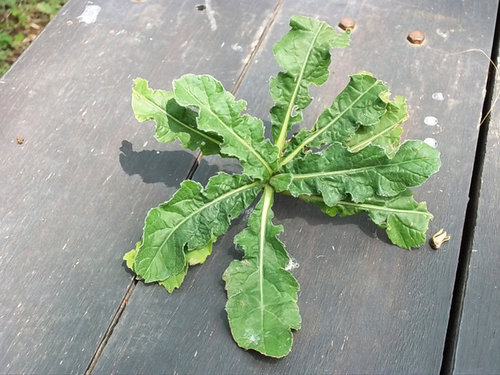
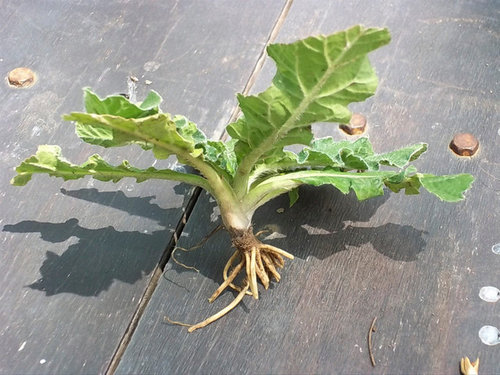
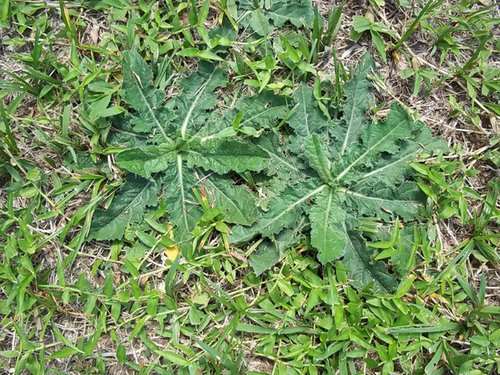
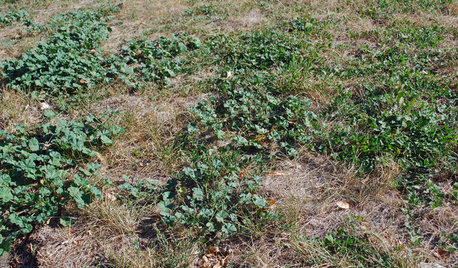
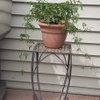
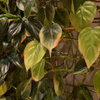
This weed is rampant in my garden in West Bali, Indonesia. It is not killed by spraying or direct application of glyphosate or 2,4-D. What is it and is there any way to get rid of it other than digging each plant out?


Comments (14)

  • 10 years ago

    I'm surprised the glyphosate didn't kill it. What strength glyphosate did you use? Was there any rain around after spraying? What was the air temperature and humidity at the time?

    lilly flower thanked tropicbreezent
  • 10 years ago

    After trying spraying 2,4-D and spot spraying glyphosate I finally tried painting very high strength glyphosate directly on the leaves. This caused the leaves to shrivel and die but then the plant regenerates from the roots. I then told the gardener from a nearby hotel and he laughed and said; "harus mencabut" which means it must be uprooted or dug out!

  • 10 years ago

    Lily, again, I'm not suggesting this is your case here, but allow me to explain something about systemic herbicides like glyphosate: They are used as a foliar spray, at a definite dilution rate for a reason. By spraying full-strength stuff on foliage, you run the risk of killing that foliage before the material has had a chance to work its way down into the roots, etc. See what I'm saying here? If you did what you said you did, that could easily explain why this weed didn't completely succumb. Like the old saying-"things take time"........so too with certain herbicides...they require that long, slow interval of several days to a week so that the material that deals death to plant cells can gain access to all these plant cells. By dumping it on extra hot, you likely short-circuited this intended response.

    There is a legitimate usage of concentrated herbicides like glyph. and that's for killing woody plants after their stems have been cut. But that has nothing to do with this case. In actual practice-in my case since the mid 1970s-I have yet to see glyphosate "not work".

  • 10 years ago

    The way glyphosate works is the poison is absorbed through the leaves and then gets transported within the plant through to the root system. Putting too strong a solution of glyphosate almost immediately kills the leaf area where it's applied and prevents the poison being transported through the rest of the plant. That's why it regenerates from the roots. It is best to use it at the recommended strength otherwise you just waste it (and your money buying it). It can take up to a fortnight to completely kill the plant. Also, it should be on the plant for at least 1 hour (preferably two) before you get any rain, even light rain. The other factor is a combination of heat and humidity (also wind). The temperatures shouldn't be too high, nor the humidity. So at around 25C you don't want humidity to be above 75%. At around 35C you don't want humidity above 50%. That's a very rough guide. Another thing is that the weed should be healthy and growing. If it's been dry you can also water the weeds to get them growing strongly again. I use both glyphosate and 2,4-D where needed and they work quite well, except the 2,4-D doesn't work so well on some legumes.

  • 10 years ago

    OK - thanks wisconsitom and tropibreezent. I will try direct application with a paintbrush but at the recommended strength. If this works it has to easier than digging out every single weed. It was relatively dry when I tried this before and now it is just at the end of the wet season so everything is growing vigorously. It is Bali however and it is always hot and humid so I may not be able to find the humidity less than 50% at 35C. Perhaps in another month or so.

  • 10 years ago

    Lily, with all due respect to tropicbreezent-he or she knows his or her stuff, lol-I wouldn't stress over that factoid (high temp) too much. Now I'm a long way from Bali but let me tell you a bit about my experience with such herbicides: I've used them since the late 1970s. Take glyphosate...by now I must have sprayed out perhaps several thousand gallons of that stuff. In terms of weather factors interrupting success, that has happened exactly one time. We had a summer of rain, the weeds were of course growing like mad, and as my job at that time required me to maintain many acres of landscaping, I was spraying whenever and wherever I could. At one site, I had just finished up-literally the material was still wet on the foliage-when a downpour came. It was simply washed off. In every other case, the material has worked as it should. It's cool that you are taking a detailed approach to applying pesticides. I wish more people would. But don't overthink this one. If you can read, which evidently you indeed can, lol, you can read the label and dilute properly for over-the-top, foliar spraying. It will work.

    Now just to clear up one last bit of confusion-are you going to use the paintbrush approach because of neighboring landscape plants that you don't want to accidentally hit with the spray? If so, fine, but otherwise just spraying the stuff will work and is usually much much faster. That painting on deal is for when you're using it to kill woody plants, where you cut the stem and then immediately paint the material (at a different, stronger dilution rate) onto the cut surface. Capiche?

  • 10 years ago

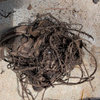
    The weeds are spread throughout he lawn and currently the gardener digs them out by hand. Spraying will kill the adjacent grass so I will get the gardener to just swipe the paintbrush across each flat weed which will be much quicker than digging. I am not at all confident that this will work as I the way glyphosate works is by inhibiting an enzyme involved in amino acid synthesis. Therefore if it killed the leaves it must have got into the plant and if it got into the plant I think it should have reached the roots as well. However we are going to try it out and see what happens. One other interesting thing is that that after the leaves shrivel, the roots appear to do so as well but then it regenerates and when it does it puts out multiple shoots from the apparently dead roots.

  • 10 years ago

    Let me state firstly that I live in a climate which is relatively similar to yours (assuming you're in the lowlands and not highlands) except that during our dry season there's virtually no rain at all. Our day temperatures are generally a little higher than yours but dry season night temperatures are lower. However, the weeds here grow in the wet season, which is when our weather is just like your wet season. So I've had many years of experience at using herbicides in exactly your climate and the information I've provided is based on that experience. Of course, it's up to you what you do with that information.

  • 10 years ago

    Yup-local-ish info is always best. You (lily flower) still seem to want to doubt the chemicals, but I sense you're impatient, and that's not a good combo. As I already said and will say again.....these chemicals work slowly on purpose! If you alone know more than all the chemical engineers that design this stuff, maybe you should look into a new line of work. Like tropicbreezent, I've been at this perhaps longer than most here have been alive. I'm pretty sure how this stuff goes!

  • 10 years ago

    It will be a month or so before I can confidently report whether using glyphosate at the recommended strength works. I will be very happy if my doubts are proven wrong. I will report the results here. I do hope that this weed is not one of the species that has natural resistance to glyphosate.

  • 10 years ago

    Sounds good. I'd be most surprised if that was the case-that this thing, whatever it is, is already a Roundup-resistant weed. Just because, that's mostly a big-agriculture thing, like in the plains of the central US where mega-farming is ongoing.

    If glyphosate does not work, and you say you've already tried 2-4D (although now I wonder at what dilution rate), there are some more harsh broadleaf herbicides out there. These are things that are almost never used in yards and gardens. I could give out the names but you've got your work cut out for you with what you're checking into now. And these other items have the bad characteristic of being very persistent in the environment. In other words, they represent the final options, and you're not at that point yet.

  • 10 years ago

    Thanks for that. The products available in Bali are very limited. I can't get the common domestic products available in Australia that contain a mixture of 2 or 3 broadleaf weed killers and are designed for use on home lawns. I may not have been able to use them anyway as the grass on our land is some indigenous variety and when we tried spraying 2,4-D at the recommended strength it killed the grass but not this particular weed! That is why the plan is to use spot application if I can find something that works.

  • 10 years ago

    Yours is a most unusual situation. It is extremely rare for these materials to not work. Good luck, and like I always say ad nauseum, read the label!