

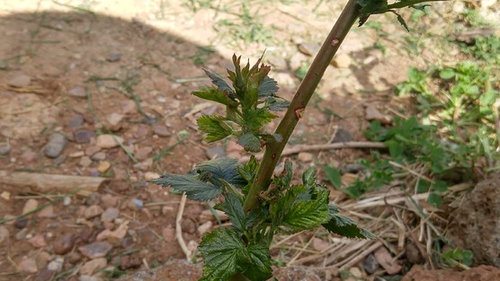
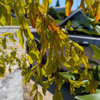
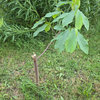
Deformed Blackberry Leaves
10 years ago
last modified: 10 years ago
Sort by:Oldest
Comments (5)

Related Stories
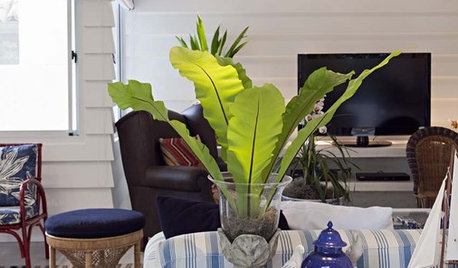
HOUSEPLANTSGet a Tropical Splash With a Bird's Nest Fern
Sword-shaped leaves make this fern a stunning accent — and you can even mount it on wood for a wall hanging
Full Story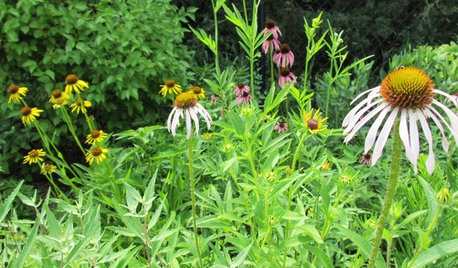
FLOWERSGet Coneflower Blooms All Summer Long
Plant these 5 native species to bring beauty to the garden — and pollen to the insects — from June through August
Full Story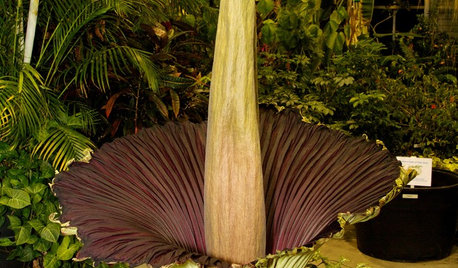
FUN HOUZZSmell This Shocking Flower at Your Own Risk
Don't say we didn't warn you: The foul scent of the rare and incredible corpse flower may knock your socks off
Full Story
GARDENING GUIDESYour Garden Is Stirring — Here’s What to Do in February
February is a good time to start seeds, shape up shrubs and watch for the earliest blooms. Here’s what to do in your part of the U.S. now
Full Story
FALL GARDENING7 Reasons Not to Clean Up Your Fall Garden
Before you pluck and rake, consider wildlife, the health of your plants and your own right to relax
Full Story
GARDENING GUIDESGreat Design Plant: Axminster Gold Comfrey for Sun or Shade
Plant this perennial for bold color that will light up shady spots, sparkle in the sun and add interest from spring until fall
Full Story
GARDENING AND LANDSCAPINGGrow a Lush Privacy Screen
No need to wait forever for patio privacy the green way. These 10 ideas will get your screening up and running in no time
Full Story
GARDENING AND LANDSCAPINGWorld of Design: 10 Home Gardeners Show Us Their Sweet Summer Harvests
From New York to Tokyo, these gardeners have turned their yards, terraces and rooftops into places of bounty
Full Story
EDIBLE GARDENSWhy Grow Quince? For Beauty, Fragrance and Old-Time Flavor
Delightfully perfumed fruit and lovely spring blossoms make this apple and pear cousin worth a spot in the garden
Full Story
GARDENING GUIDESGreat Design Plant: Comptonia Peregrina
Though not a fern, sweet fern sure smells sweet and thrives in tough spots where many shrubs and ferns cannot
Full Story

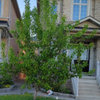
jtburton
gstrout6761
Related Professionals
Somerset Landscape Architects & Landscape Designers · Oklahoma City Landscape Architects & Landscape Designers · Orange County Landscape Architects & Landscape Designers · Frederick Landscape Contractors · Joplin Landscape Contractors · Chatham Landscape Contractors · Queens Landscape Contractors · Fayetteville Home Additions · Raleigh Home Additions · Clarksville Home Additions · Laredo Home Additions · Anniston Home Additions · Fort Dodge Home Additions · Watertown Home Additions · Dickinson Home AdditionsJean
Tyson WhiteOriginal Author
HU-940564617