

Tomato and squash problems!
10 years ago
last modified: 10 years ago
Sort by:Oldest
Comments (7)

Related Stories
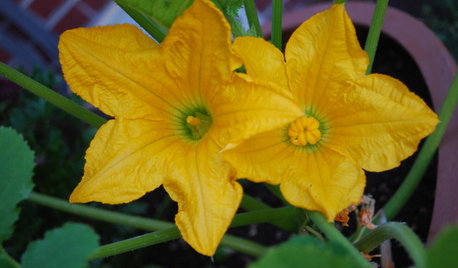
EDIBLE GARDENSSummer Crops: How to Grow Squash
Almost foolproof and with cheerful flowers, squash comes in a wide range of varieties to plant in spring
Full Story
EDIBLE GARDENSSummer Crops: How to Grow Tomatoes
Plant tomato seedlings in spring for one of the best tastes of summer, fresh from your backyard
Full Story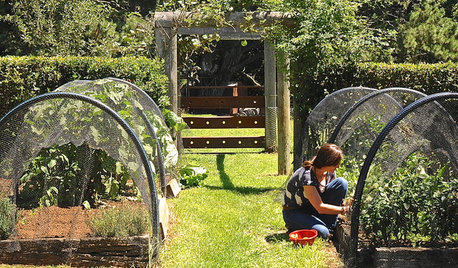
FARM YOUR YARDHouzz Call: Home Farmers, Show Us Your Edible Gardens
We want to see where your tomatoes, summer squashes and beautiful berries are growing this summer
Full Story
GARDENING GUIDESCalifornia Gardener's June Checklist
Update your hydrangeas, catch up on tomatoes and more ways to enjoy your California garden in June
Full Story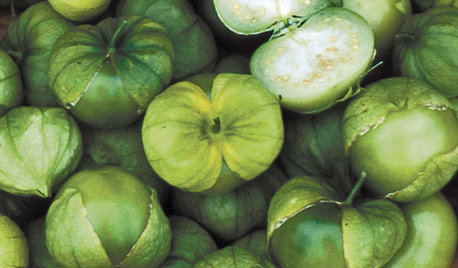
SUMMER FRUITS AND VEGETABLESSummer Crops: How to Grow Tomatillos
Grow this Mexican native for the freshest salsa verde — and for fewer problems than its tomato cousins
Full Story0

ECLECTIC HOMESHouzz Tour: Midcentury Meets Mediterranean in California
Squash-colored walls are painted crisp white to provide a bright backdrop for modern furnishings, lighting and textiles
Full Story
GARDENING GUIDESGreat Garden Combo: 3 Wonderful Plants for a Deer-Resistant Screen
Protect your privacy and keep deer at bay with a planting trio that turns a problem garden area into a highlight
Full Story
DECORATING GUIDESFrom Queasy Colors to Killer Tables: Your Worst Decorating Mistakes
Houzzers spill the beans about buying blunders, painting problems and DIY disasters
Full Story
EDIBLE GARDENS8 Surefire Vegetables and Herbs for Beginning Gardeners
Learn the edible plants that are popular and easy to grow in a backyard or container garden
Full Story
EDIBLE GARDENSGarden BFFs? Why Your Vegetables Are Begging for Companion Plants
Foster friendships among plants for protection from pests, pollination support and color camaraderie
Full Story

theforgottenone1013 (SE MI zone 5b/6a)
dirtguy50 SW MO z6a
Related Professionals
Evansville Landscape Architects & Landscape Designers · Philadelphia Landscape Architects & Landscape Designers · Kankakee Landscape Architects & Landscape Designers · Coldwater Landscape Architects & Landscape Designers · Lubbock Landscape Architects & Landscape Designers · Honolulu Landscape Architects & Landscape Designers · Port Saint Lucie Landscape Contractors · Lufkin Landscape Contractors · Fredericksburg Landscape Contractors · Marquette Landscape Contractors · Grand Island Landscape Contractors · Aberdeen Accessory Dwelling Units · Rutland Accessory Dwelling Units · Sheboygan Accessory Dwelling Units · Boise Accessory Dwelling Unitsrgreen48
digdirt2
gumby_ct
digdirt2
M. Wilson