

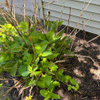
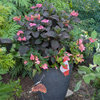
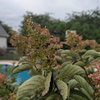
Hydrangea blooms are very small
10 years ago
Featured Answer
Sort by:Oldest
Comments (17)
 10 years ago
- 10 years ago
Related Professionals
Birmingham Landscape Architects & Landscape Designers · Lafayette Landscape Architects & Landscape Designers · Jacksonville Landscape Architects & Landscape Designers · Modesto Landscape Architects & Landscape Designers · Queens Landscape Architects & Landscape Designers · Asheville Landscape Contractors · Enid Landscape Contractors · Middletown Landscape Contractors · Chula Vista Landscape Contractors · Mission Viejo Landscape Contractors · York Landscape Contractors · Baltimore Design-Build Firms · Kansas City Design-Build Firms · San Angelo Design-Build Firms · Montréal Design-Build Firms- 10 years ago
- 6 years ago
- 6 years ago
- 6 years agolast modified: 6 years ago
 6 years ago
- 5 years ago
- 5 years ago
- 5 years agolast modified: 5 years ago
- 5 years ago
 2 years ago
- 2 years ago

Related Stories
GARDENING GUIDESTop 12 Summer-Blooming Perennials for Deer-Resistant Drama
Can you have garden color, fragrance and exciting foliage with hungry deer afoot? These beauties say yes
Full Story
GARDENING AND LANDSCAPINGHave a Ball With Hydrangeas
Even if you don't tinker with the hue by changing the soil, hydrangeas have an entertaining range of uses in all kinds of landscapes
Full Story
GARDENING GUIDESGreat Design Plant: Oakleaf Hydrangea
Consider this full, flowering shrub for year-round beauty in the garden as you plan your fall plantings
Full Story
FLOWERS AND PLANTSVitex Agnus-Castus Fills Gardens With Fragrant Blooms and Foliage
Spikes of purple flowers adorn chaste tree’s aromatic foliage throughout the warm season in Southern gardens
Full Story
HOUSEPLANTSOrchids 101: How to Keep Your Moth Orchids Alive and Blooming
Growing Phalaenopsis — and getting it to flower again — is easier than you might think
Full Story
HOUSEPLANTSHow to Force Amaryllis Bulbs Indoors
Enjoy vibrant red blossoms even as gardens turn snowy white, by teaching this hardy repeat performer to ignore the calendar
Full Story
GARDENING GUIDES10 Plants for Colorful Fall Blooms in the Drought-Tolerant Garden
Want fall color but not a big water bill? Consider these not-too-thirsty fall bloomers
Full Story
DECORATING GUIDESTreat Yourself to Spring Blooms in Winter
Get a jump on spring with a fragrant pot of paperwhites and other bulbs indoors
Full Story
GARDENING GUIDESGreat Design Plant: Try Blue Bells for Blooms in Dry Soil
This shrub’s violet-blue flowers and silvery foliage brighten low-water gardens all year long
Full Story
MOST POPULARSpring Gardens Are Blooming — Here’s What to Do in April
Get the guide you need for gardening in your U.S. region, with tasks, climate-appropriate plantings and more
Full Story
Trish