Software
Houzz Logo Print
becky_wood32

prickly pear problems UK

10 years ago
last modified: 10 years ago
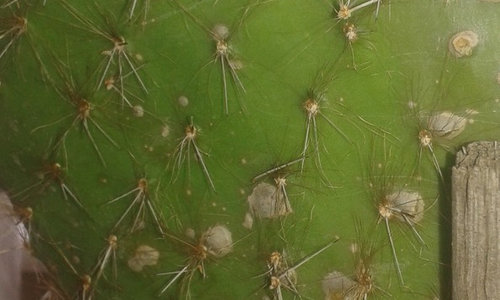

I have a prickly pear that is around fifty years old, I inherited it and am trying to save it as it has been neglected over the years.

It is growing fresh healthy pads and has done so for the year I have owned it. However, there seems to be a problem of which I can only assume is rot, with the lower ololds parts of the cactus.

Obviously I don't want to loose the main plant as it is old and was my granddads. But I am a little concerned for it's health.

Is there anything I can do??

Also from reading comments on other posts, I think I may have potted it in a pot that is too deep.

It didn't have a very good root structure when I did repot it, I'm hoping this will regrow over time.

Comments (8)

  • 10 years ago

  • 10 years ago

    Help the rot is growing and it is squishy.

    Is there anything I can do. It's the bottom stem on the plant. It was my granddads plant and I don't want to loosd the whole thing??


    Thank you in advance

  • 10 years ago

    If I force the cactus into a dormant period and let everything dry out, will this help the rot or is it too late. Should I just be harvesting the healthy new growths?

  • 10 years ago

    Becky, take the plant out of the pot and let it dry out before messing with it. Give it a week or so. Just how humid is your location? Opuntias are very tough plants. I have a species that has longer spines that occurs locally and I just put it on my long back porch roof where it gets as much sun as possible. I have a pine tree that sheds its leaves and those leaves accumulate on that roof and the opuntia has grown across the roof over the pine needles in full sun for most of the day.

    Your plant likes it hot, and sunny, and needs excellent drainage, such as 8 parts of pumice to 2 parts of potting soil. The pot should be clay so it can dry out. Give it as much exposure as you can as your weather is notorious for being cloudy and rainy and you are at a higher longitude than were most opuntias occur naturally so they do not get the warmth that helps them ward off fungal diseases.

    The plant is reacting to your conditions. Check out what I said and see if you can find a spot there that would work for it. It will grow great and flower for you. See my photo below. The plant is in shade as it is late afternoon and the shade comes from pine trees to the west. There is only pine needles from those trees. It gets windy here and lots of pollen and debris from the pine trees. But it shows you that they are tough survivors. So do not baby your plant.

  • 10 years ago

    Hello Becky, sorry no one has been in to help you out yet....this is most unusual as ppl get replies on almost every single case.

    If the who,e base of the plant is rotting and it's spreading upwards and to other stems, I think the best way to go is just as you said, try to harvest any strong unaffected pads, whole ones if you can. I know nothing of opuntias so I'm only going with what I would do.......let the end dry off for a at or so, it will be fine then plant in a gritty free draining soil, with little peat. For eg...mix cactus mix, perlite and something like aquarium gravel or the stuff you put on top of alpine troughs in equal quantities. B and Q, Wilko and any garden centre will sell the ingredients for you. Don't just use cactus mix on its own, they will only rot again. When you pot them up, just bury enough so they don't fall over, push sticks or canes around to support, the mix should be damp please don't water it till you see evidence of growth or resistance when you tug gently. Keep in dappled shade, no direct sun. Have no idea if you slice a rotten bit off the base whether the top bit could root, I think maybe so. If you try some this way, let it callous over really well before planting it. Need to get all brown rot off and cut back to green or white healthy tissue.

    Now hoping someone else will come on and confirm the above, but it's what I would do.....if that's any help. Hope all goes well. Keep us informed please.

    Gill....also in the UK,

  • 10 years ago

    Sorry terrestrial man, we were typing at the same time it appears!

    However, as Becky is saying the base is rotting and squishy now, how can letting it dry out help it at this stage? I would have thought once the rot had killed the base, it wouldn't recover as that part of the plant couldn't sustain the live parts above? Leaving the plant to dry out is going to be difficult as we are experiencing wall to wall rain and low cloud here in the UK!! Do we not think she will be better salvaging some good parts to start new and viable healthy growths before the whole lot collapses? You added some good info as regards the t/c pot and mix :-)

    Gill

  • 10 years ago
    last modified: 10 years ago
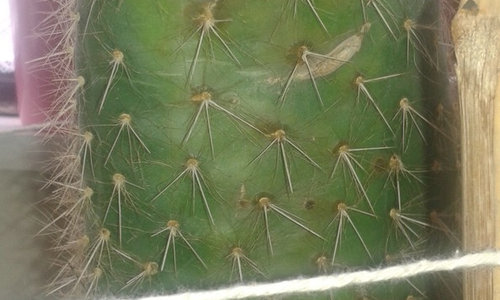
    Thanks Gill, yeah guess I missed the part where the bottom was rotting but I have seen that here and the top part falls off and the end will dry up because I am in California. But I would think you are correct. Cut the pad above the rotting area so as to avoid leaving any fungus in the good portion, but lay it down and let dry, protect from the rain and keep the area under it bone dry. Then do not stand erect when potting up. But let it lay flat on the surface of the pot and just cover the end up with potting mix. Do not water, but maybe mist it damp but not wet. With your untoward weather I would probably not even water at all and keep the potted plant protected from the rain but in full sun, or as much sun as your weather permits!! Maybe indoors under growth lights??

  • 10 years ago

    @Ttm, I wasn't sure enough to suggest slicing a pad in half or whatever and just planting the good bit as I have no experience whatsoever with prickly pears so thanks for your further suggestions!

    Are you by any chance implying we have dodgy weather over here then?.! It's been 'raining cats and dogs' for several days now as the old saying goes in the UK, and it's the so called summer solstice tonight.....some summer!

    Gill