Software
Houzz Logo Print
cicivacation

Staking/Supporting Dahlias

10 years ago
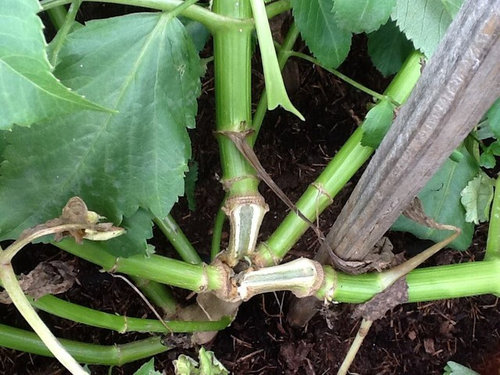
How do you keep your dahlia plants from looking like this???


This
was what not staking properly did to my Vassio Meggos several seasons
back. Felt pretty stupid, as I just didn't get around to it.

Comments (11)

  • 10 years ago

    Here are the different ways you can choose to stake/support your dahlias:

    -Tomato cage (best for hard-to-reach plantings, or very few
    plants)

    -Inverted tomato cage (more stable then the 'normal' direction, using stakes to
    secure the bottom)

    -Bamboo poles (three ways- single thick one with main stalk tied to it / one
    pole per branch / three poles forming a teepee over plant)

    -Rod, post or stake cut to 5 or 6 feet (tie main stalk and branches to it as
    the plant grows)

    -Horizontal netting/fence (use posts to hold up netting/fence about 18 inches
    from ground, and allow plants to grow through it for support)

    -Vertical netting/fence (use posts to secure netting up, and tie plants as it
    grows)

    -Group roping (grow plants in rows, put posts on the corners
    & middle, and run twine or string all the way around the row at different
    levels to keep plants inside row)

    -Combo horizontal netting with group roping

    -Mounding soil at the base of the plants, and/or stopping each plant severely
    to keep them short

  • 10 years ago

    Here are a compilation of other people's descriptions of their staking/support method:

    - I use 2 t-posts at each end of my row. I place rebar
    throughout the planting row. As the dahlias grow, I use baler twine to corral
    the dahlias. I use the twine to also wrap individual plants and secure on the
    rebar scattered throughout. I also plant all tubers 6" deep. I use tomato
    cages if I plant dahlias in other areas of my garden.

    -we use rebar in 5 foot
    lengths....spray it green so it blends in better....never rots good for a
    lifetime!

    -Even the precut 4 ft lengths of
    rebar will work and last almost forever. well worth the price. The rust color
    blends in fine.

    - I use rebar, stores will cut
    for u. I don't paint it. Rust blends well. I do THINK about painting them.

    -PVC coated rebar is better,
    easier on the hands and never needs painting.

    - I use # 4 PVC coated rebar ,
    .62 cents a foot. Green in color will last a life time.

    - Electrical conduit...it's only about $2 for an 8 foot section. I cut it to
    appropriate size for the plant with a hacksaw and hammered it about a foot to
    18 inches into the ground. It worked like a charm! If you're concerned with the
    silver color of the metal peeking through the pant, paint it green with a can
    of spray paint. Some of my plants were 6-8 feet tall and this really gave them
    sturdy support.

    - I grow dahlias for
    the cut flower market so have several rows of them. We were using tomato cages
    made of concrete reinforcement wire and changed to weaving string in our tomato
    rows. I "inherited" the tomato cages and used them for dahlias. The
    bottom wire on cages
    just stick in the ground. No tying up dahlias anymore. Worked great! Cages are
    really old, were brought from another tomato grower so they last a long time.

    - I have one that has worked well
    for me for many years. I have purchased Takiron Green Steel Stakes . They are steel stakes coated with a
    green resin that holds up well year after year. They also come in a number of
    lengths and widths.

    -rebar--either 1/2 inch or 5/8th
    inch...we have some of both. 1/2 inch is sufficient.....but prefer 5/8th for
    the giants and get some cut in 6 ft lengths for this area.....I purchase it from the local
    hardware. They have it in 20 foot lengths for $8 and have them cut it into 4
    pieces and the first cut is free, .25 cents for the other three cuts. Spray it
    with Tremclad paint to keep
    the rust at bay for several years. Eventually they get rusty they go farthest
    from the house unless I have time to re-spray. We are not taking them out of
    the raised beds this year, they can just stay there and John says that he can
    dig around them as they are at the edge of the beds. In the spring we will be
    adding more piping to the outside of the beds for shade cloth. That framework
    once up and the shade cloth as well will stay there permanently....just roll
    the shade cloth to one side and tie it there for the winter. After this past
    summer being soooo hot, this is our next project. We 'perimeter tied these past
    two years which works OK for the small varieties, but will have to go back to
    individual tying for all the B's and giants.

    - I've started using fishing net made to order any size ,
    pulled tight holds plants very well the square mesh size is about 4 inch highly
    recommended (in the UK)

    - We recommend the use of horticultural fencing / netting
    it is awesome cuts down on extra work and staking and tying , is economical and far less stakes... No breaking.
    This works Tanex Hortonova Fencing. add stakes every 8-10 feet! No lost plants no tiring staking. "are you able to reuse the netting?" Yes just cut the few zip ties and fold
    or roll up. Takes little space and light weight. We leave the metal stakes in!!!

    -Perimeter tying- For all my miniatures thru to BB size I tend to
    permiter tie each bed looping the tie around each stake, as the stakes are there
    between every two plants. for putting the labels on....but they are planted
    every 2 feet so hold themselves up qute well. Tie at 18 inches, 3 ft, 4 ft, 5 ft if necessary. All the
    B's and Giants are individually tied. If one of the smaller varieties is
    getting out of hand, will also tie it individually. Sure makes it easier in the
    fall....saves a lot of time un-tieing..

    - I lke having the stakes in the middle of two plants to put the name of the
    variety on. People who visit the garden can see it at a glance and can take
    themselves on self-directed tours this way.

  • 10 years ago

    Thank you very much for posting this! Very informative. I myself have been planting three plants in a circle with a bamboo stake in the middle, and tying around all three with twine. I write the name on the bamboo. I am wondering about the horizontal mesh method - do you put down just one mesh layer, or do you have one at 18" and then another at 3' or so? if not, what about supporting the tops of the plants - mine seem to fall over if I don't continue to tie them up as they grow.

  • 10 years ago

    I only use one layer, to hold the stalks straight. Then I wrap AROUND the stakes to hold the tops in place,every foot or so. Check out the previous post's top image to gets better idea.

    I also learned to crisscross the twine a bit, to keep a domino effect from happening in the row, where they topple over on top of each other.


  • 10 years ago
    last modified: 10 years ago

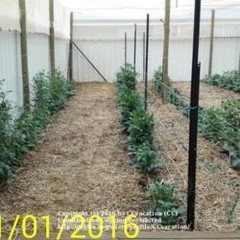
    Here's the vertical fencing described by Nick Scudds in Australia...

    "This is how i do it. Easy. No need for stakes each year. Just plant next to the trellis and tie as it grows. No matter what method, tying is essential, they like to hold onto something.

    It maximises allowable space, and when you have the limited space like me it was a no brainer. Plus i really didnt want to put in and pull out stakes every year ;););)
    (to tighten netting) attach one end of the turnbuckle to the row and the other end of the turnbuckle to a fastening joing like a wall or post ot something tight" (Copied with permission, images and descriptions by Nick Scudds)

    John Menzel of Winkie Dahlias is his mentor. Nick adopted his support system from John, whose website has more images and descriptions here:
    http://www.winkiedahlias.com/plantingandgrowing

  • 10 years ago

    Thanks so much for sharing your techniques! To get the hedge look you space them 9"-12" apart?

  • 10 years ago

    That's what I do, but most long-time growers would cringe at that. Reason that they would be seriously bothered by my spacing is that crowded plants don't 'live up to' their full individual potential, and that they might invite pest/fungus problems if they are stressed because they are crowded. To reduce stress of crowded plants, I strip bottom leaves, fertilize often and make sure the soil does not dry out.

    I try to keep 18 inches of 'leg' showing under the dahlia 'skirt' of foliage, accomplished by stripping any leaves or branches off on a regular basis starting August. This limits the access points to blooms for crawling insects, and allows air flow. It also allows me to spray up INTO the 'hedge' with Neem Oil as a preventive for aphids, mites and powdery mildew.

    I fertilize with the knowledge of what soil test results are, giving boosts of needed nutrients in SMALL amounts on a weekly basis.

    I water at least three times a week with soaker hoses, and check the moisture soil depth to make sure complete saturation is occurring throughout my dahlia beds.

    Stripping, fertilizing and watering are really important for keeping closely spaced plants healthy. Honestly, they are The key for growing at ANY SPACING.

    It is best for new growers to learn the ropes with dahlias using the traditional spacing suggestions of 18-24 inches apart for small/medium blooms, and 28-36 inches for large blooms. You will be able to observe individual plants better, and tend to issues more quickly because problems will be more noticeable. You will also allow the full potential of each plant to 'bloom' in front of your eyes.

  • 10 years ago

    I only have 9 Dahlia and I want to make a show of them so I think i'll try to keep them close. As there are so few of them I think i'll be able to keep an eye on each of them.

  • 10 years ago

    Wow, thank you for such wonderful information, CC. Wish there is some way to put this at the top of the forum all the time. I bookmarked it and copied and saved it just in case this company get sold again and all the posts are lost. This is the best information about staking and supporting dahlias that I have come across. Many thanks again for taking the time out to write this and share this with everyone.

  • 10 years ago

    My pleasure, Karen. :-)

    When I was just starting, I read tons of archived posts, mostly from Poochella
    (Annie) on Dave's Garden, GardenWeb and Cubits to find out about how to
    grow this amazing plant. Pooch helped me via email during my first staking crisis, and the memory of her kind suggestions motivate me to help others struggling with the learning curve. Just passing it forward, while I'm still at the feet of the masters soaking up more of their craft.

    I have gleaned countless bits of info from the archives at various dahlia forums, and dread that someday they will disappear. Because of this concern, and because it can be tedious to find things in multiple archives, I also have this staking information posted at the 'Growing Dahlias' Cubit forum FAQ sheets, (under "Growing Season Questions") with the hope of making dahlia growing info more accessible (and in one place) to novice dahlia growers. Seasoned growers are helping me compile this resource, and it is still a work in progress.