Software
Houzz Logo Print
bcroselover

Shale Scree as mulch

10 years ago
Hello Alpiners,

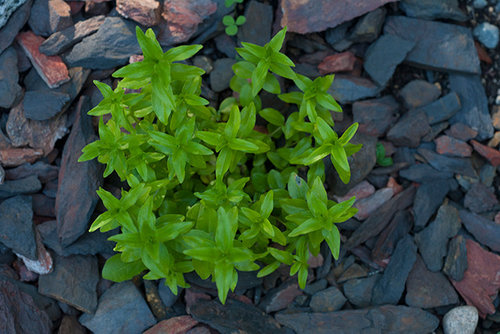
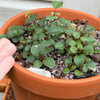
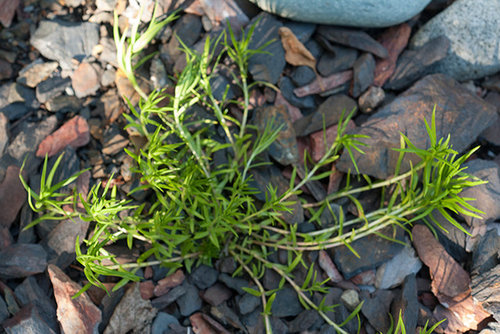
I am very new at growing alpine plants. I dug a tiny little plot and filled it with a mixture of about 1/2 coarse mountain sand, 1/2 silty soil, compost and manure. Fertilized it additionally with alfalfa meal and Power Bloom, low nitrogen, high Phosphorus and Potassium. I planted Gentiana sino-ornata, Gentiana septemfida and Gentiana acaulis. The first two gave me splendid blooms their first year. This second season, they look healthy enough, about the same as last year, but they aren't growing much and not expanding at all. I mulched with shale scree as you can see in the photos below. I wonder how a plant can spread young shoots if they have to push up through so much rock? Actually, the two acaulis's are spreading a teensy bit. Too bad they don't bloom like they spread. This spring I added alpine campion and Aubrieta. They aren't growing much either. Should I throw on a bucket of fish fertilizer? seaweed? Is the scree I am using the right size? Any advice will be much appreciated.

BCroselover


Comments (10)

  • 10 years ago

    When it comes to screes I think that the soil prep is most important factor. What is needed is a highly aerated soil. Yours consisting of sand and soil is not. I would reconstruct the soil to the existing soil but cut with 50% of the shale. Also the addition of large shale boulders that protrude out of the soil would aid in air percolation into the soil mix. For fun you might place a few durable bowls that would act as subterranean catch basins that plant roots could migrate towards and that would increase humidity in the soil, particularly important during summers. It would be interesting to see how your plants would handle the changes.

    Good luck.

  • 10 years ago

    "For fun you might place a few durable bowls that would act as
    subterranean catch basins that plant roots could migrate towards and
    that would increase humidity in the soil, particularly important during
    summers. It would be interesting to see how your plants would handle the
    changes."

    What a good idea! A good use of pots with no drainage holes. Thanks.

    Mike

  • 10 years ago

    Great Mike, glad you like it. It is one conclusion I have made on my study of this type of environment which is a very coarse rocky gravelly but seemingly dry environment though often subject to monsoons or summer thunderstorms. It is quite possible that because of the coarseness of the substrate that natural subterranean basins exist in the scree substrate which allows plants to survive what would seem almost intolerable conditions.

    Good luck with your evolving environment!

  • 10 years ago

    I have access to a lot of woodchips so a lot of my paths are made from them. Some are several feet deep and absorb moisture all winter long and is available to the trees and shrubs in our dry summers. Similar to a natural setting where old decaying logs serve that purpose. So, instead of raised beds where a path is a wet ditch, I have raised paths that are not muddy that bleed out moisture and nutrients all year long to the surrounding plants.

    I'm landscaping a new area in the garden that is a series of ridges out in the open sun. I'm going to use your idea and bury some wood chipped filled bowls there. Eventually the chips will decay and be replaced with soil.

    Thanks again, terrestrialman!

    mike

  • 10 years ago

    Wow, thanks a lot for all this advice everyone! It was a while in coming, I think everyone was busy with their gardens, so in the meantime I did pour a solution of fish fertilizer and liquid seaweed on it, with the fish at half the recommended concentration, and the seaweed @ 1/3. Nothing happened. My plants still look okay but are absolutely static. The only thing that changed was the G. acaulis, but that was because an expert grower in Belgium, ala Internet, advised me that they had to have manure. So I dug them up and put manure under them and watered them. I came out next morning and found they had doubled in size (which isn't saying much). Anyhow, long story short, by now I was figuring it was something like what the terrestrialman says: I must have put too much sand in the soil. As a matter of fact, he is quite correct that the mixture I made, which I had envisioned would be aerated, is not. Actually it is quite dense. So, having already resigned myself to digging all the plants up in autumn and changing the soil (not a deal, my little alpine experiment is so small), I am very grateful for this advice. As I understand it, then, I should return to the natural silty soil and mix the shale into it. The idea of placing bowls underneath sounds fascinating, but I had understood these alpines didn't want to have wet feet (?)

  • 10 years ago

    bcroselover, imagine the strata in a natural scree. lots of debris with outcrops, generally on a rather steep incline. the mountain probably represents an uprise in the underlying shale formations. fracturing and shattering of the shale creates pockets within the substrate. These are occasional pockets only but I would think that certain plants whose roots encounter them will be more likely to survive any unexpected weather extremes as does happen in this type of habitat, such as drought. perhaps the presence of some species in localized sites indicate some type of subterranean source of water such as a pocket.

    So right, apart from aquatics and bryophytes, no vascular plants really enjoy wet feet because that means no air is getting to the roots and will eventually result in root loss. Happy growing!!

  • 10 years ago

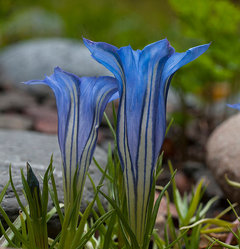
    I see what you mean. In the alpine, it's often a mystery why a particular plant grows in a certain place, but nowhere else in sight. And in our area (I live in a mountain valley in British Columbia), these mountains have glacial soil with very porous rubbly rock, and hydrology reports say that a very high percentage of water (like 90%) coming down from snow melt in the high country is actually travelling underground. I am familiar with the fact that what we call "benches" on the otherwise steep slopes of our mountains typically have underground water table. So it's easy to imagine innumerable smaller basins that would produce micro-habitats for plants in certain areas. Shale and slate are very common here, and shale scree for my much did come from a steep slope such as you describe with lots of up-ended slabs. I look forward to experimenting in autumn; I also like the idea of a path of wood chips around the bed. Here's a photo of my Gentiana sino-ornata. I hope it will forgive me for digging it up some time in late autumn. Thanks for your help.


  • 10 years ago

    I would very much appreciate specific instruction about putting a subterranean bowl in an alpine garden to collect water. I am picturing a bowl that is buried -- and fills up with the soil. Is that right? The idea is just to hold water runoff a bit longer? Doesn't it also dry out faster, like soil in a container?

  • 10 years ago

    bcroselover, the gentiana is beautiful. love that genera. Need to give it a try here one more time.

    kitasei, wow i would tend to think that any natural depression which collects water might be filled with a very coarse substrate, such as medium sized gravel or a blend of medium sized to larger sized gravel. Any soil would have to percolate downward from surface erosion of the top layers so I would tend to doubt if much of the finer particles would make it that far down, which I can only speculate as being around 3 feet or even deeper. Reason is that closer to the surface could provide the opportunity for other plants to establish in the area, such as weeds, which tend to have shallower root systems.