Software
Houzz Logo Print
brittany_shepherd

My peppers need help!

10 years ago
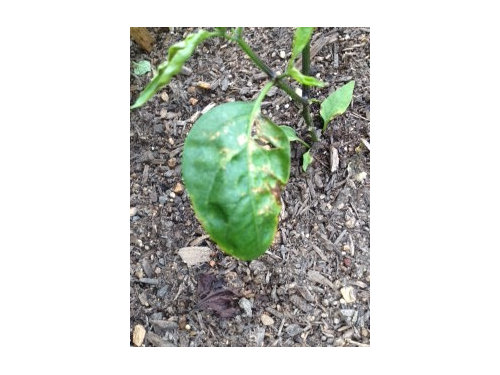
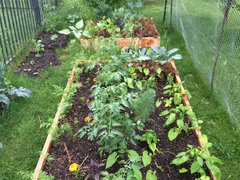
I transplanted some pepper plants about 2-3 weeks ago (mid May) in zone 6a/b (Southeastern KY). They were beautiful at the time of the transplant and took to my raised bed well. However, over the past week or so I have noticed that they are suffering and I'm not quite sure why or what to do. We have had some very wet weather lately and I know peppers prefer it a bit dryer, but I've also wondered if the composted manure I added to my beds this year are feeding them too much nitrogen. I added some bonemeal to the soil a few days ago and gave them each a bit of epsom salt to help their uptake. I have also been diligent with the neem oil and organic insecticidal soap to keep the pests at bay. The Jalapeños' leaves are browning from the outside in and falling while my banana peppers' leaves have seemed to curled viciously upward into little leaf cups!

Comments (13)

  • 10 years ago

    My soil mix for the beds was equal parts potting soil, peat moss, and compost (with manure). It is the same mixture I used in my last set of raised beds except the manure and my peppers grew beautifully, but yes, these are new as I recently moved. :/ I sprayed neem oil on the peppers as aphids are pretty abundant in my yard and garden, though I had used the insecticidal soap on some surrounding plants at a separate time for the same reason. I use my own compost as fertilizer and, because I don't have quite a lot of that yet this year, I also add blood and bone meal to the soil when planting out and on a schedule after that... Should I maybe try a more all purpose fertilizer (general, as you said)? I worry about overdoing it on the feeding, especially as they are in a potting soil mixture...

    I had considered the lack of bacterial agents in the new soil, but I was hoping that the compost I mixed in would help with that... probably not enough, though. :/

    And thank you for the advice about Epsom salt; I will be going to the garden store tomorrow to try and find a soil test kit... hopefully that will give me a direction in which to go. It's so strange... I've been raised bed gardening for about 4 years now with no issues beyond aphids and slugs and now, with my new beds, I feel like a complete newbie again! :)

    Thank you for the response and advice! :) Happy gardening!

  • 10 years ago

    Bloodmeal is fast acting and can burn. I would lay off of any fertilizers for a good two to four weeks. Seems as you have plenty of food for them already. I have two new raised beds and besides composted wood and composted manure that was included in the soil mix, the only thing I added a month before I actually planted in the garden was bloodmeal which was added about 7 inches below the top of the bed to aid with breaking down the wood, and then added more soil mix on top. I added bonemeal at the time of planting peppers and tomatoes. I have not given them a drop or a sprinkle of food since. I would only spray plants that have out of hand aphids, to spray when there is no bugs stresses the plant when it's not needed. I tend to let nature take care of them and intervene when necessary.

    Brittany thanked habjolokia z 6b/7
  • 10 years ago

    I keep trying to remind myself about the very hands off approach I took the first year I grew veggies and how well that worked.... I have a bad tendency to kill with kindness (and plant food), I think. lol Thanks for the advice!

  • 10 years ago
    last modified: 10 years ago

    Compost isn't fertilizer. At least, it's a pretty poor one. It's a soil amendment that mainly makes the soil structure better, and feeds the bacteria that *eventually* can help fertilize.

    If I were you, until you know more, I'd irrigate lightly with a general purpose liquid fertilizer. Miracle Gro is cheap and effective. You know, the blue powder. Since you don't know what you're missing, a broad spectrum fertilizer like that might be smart. Bloodmeal is just nitrogen, and a pretty concentrated form of it.

    Also those do-it-yourself soil test kits are really pretty inaccurate. Your local extension service should offer a high quality laboratory soil test for ten bucks or so. Do that.

    Brittany thanked daninthedirt (USDA 9a, HZ9, CentTX, Sunset z30, Cfa)
  • 10 years ago

    Agree with Dan that compost is not fertilizer. Never has been, never will be. Any nutrient benefits it has are entirely dependent on the soil bacteria levels, the soil food web, that exists in the bed. And plants need nutrients. Hands-off gardening can work well in established beds, years old, that have developed an active soil food web. But it does not work well in new beds. So the gardener must regularly and actively compensate for that lack of nutrients for the first few years.

    Blood meal supplies one thing - nitrogen. And it supplies it intensely and can harm plants. Bone meal supplies one thing - phosphorus. But it supplies it VERY slowly and is only of any benefit 6 month to a year down the line. So where does the plant get the potassium, the calcium, the magnesium, the zinc, and all the other micro-nutrients it needs to thrive? Only from the gardener.

    Numerous supplements are available, both synthetic and organic, to use to meet those plant needs. if you don't want to use a synthetic like MG then explore the many organic liquid supplements that work just as well. Many of the fish and seaweed blends provide everything needed including micro-nutrients.

    The plants in your photos are stunted and show leaf roll and cupping and margin burns . They clearly have been over-dosed with nitrogen from the blood meal - thus the cupping and margin burns. And they may also have been damaged by the aphids attracted to all that nitrogen excess and by the sprays used. Aphids can be controlled with fingers and plain water and so suffer no risk from the soap and the oil sprays that only add more stress to the plants.

    Dave

    Brittany thanked digdirt2
  • 10 years ago

    Not hijack the thread, but will fish fertilizer work in containers? Are the nutrients readily available for the plant to absorb? I was told to only use chemical fertilizers like MG in containers, and use the organic fish emulsion in raised beds and in ground. Not sure if that makes any sense or not.

  • 10 years ago

    Neem oil can cause damaged leaves if sprayed during a sunny day. If it's really needed best to use right before darkness.

    Brittany thanked gjcore
  • 10 years ago

    "will fish fertilizer work in containers? Are the nutrients readily available for the plant to absorb"

    Yes liquid organics will work fine in containers as they are pre-digested or emulsified. They are all I use in all my containers and have for years. It is granular and/or dry organics that can be a problem in container use.

    But do keep in mind that there are many brands of "fish fertilizer" and most don't supply everything a plant needs so you may need more than one organic product to cover all the bases.

    Dave

  • 10 years ago

    Do a few soil tests of the big 3. and see what's lacking. Micro nutrients are rarely lacking

  • 10 years ago

    So, Dave, is there a fish emulsion or fertilizer you recommend? I'm interested for my raised up off the ground beds. Nancy

  • 10 years ago

    Leaves dying from the outside is too much water. Leaves yellowing slightly then falling off is probably the too much water and sunburn after transplant. Having said all that, you are doing a lot with those plants so it is pretty hard to say at this point... less is more, plants have been doing this alone for a pretty long time

    Brittany thanked tyler
  • 10 years ago

    Well, I've not touched any of my plants, except for one deep watering late this past week, for a whole week and they seem to be doing better. I have one Jalapeño plant that is still struggling a bit but the others are growing beautifully. I had my soil testing by my local extension office and was told that the nutrients, including nitrogen, are all within range and to feed my plants with general fertilizer once they start setting blooms and on a schedule once they begin to set fruit. An extension agent came out to my house (I live near the office and in a very small town) and took at look at my peppers; She believes the cupping and leaf death is a result of too much water and drastic temperature fluctuations (we had A LOT of rain the week before last)... This past week has been much dryer and consistent in regards to temperature and seems to have helped.

    I will be investing in a high quality organic general purpose liquid fertilizer this coming week and will feed them as recommended. Thanks to everyone who offered advice.

Sponsored
Peabody Landscape Group
Average rating: 3.5 out of 5 stars8 Reviews
Columbus' Reliable Landscape Design & Contracting