

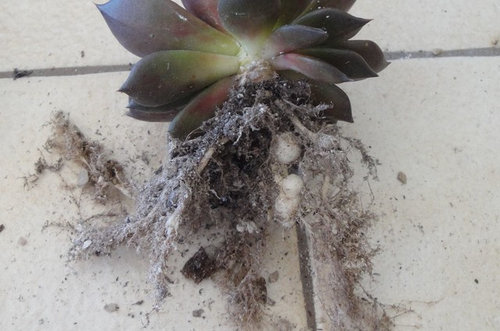
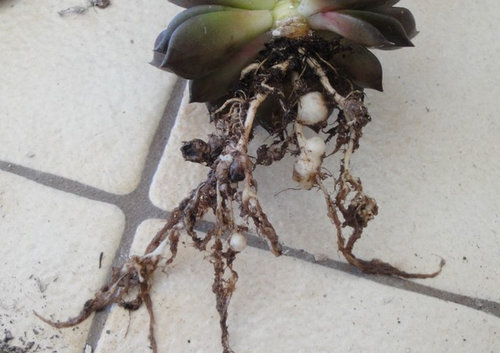
Oh wow - gnarley roots!
10 years ago
Sort by:Oldest
Comments (5)

Related Stories
ARCHITECTURERoots of Style: Spanish Eclectic Homes Find a Place in the Sun
Flexible stucco, intricate tiles and more have kept this multicultural style going strong for a century
Full Story
ARCHITECTURERoots of Style: Many Cultures Make Their Marks on Mediterranean Design
If you live in California, Florida or certain other parts of the U.S., your architecture may show distinct cultural influences
Full Story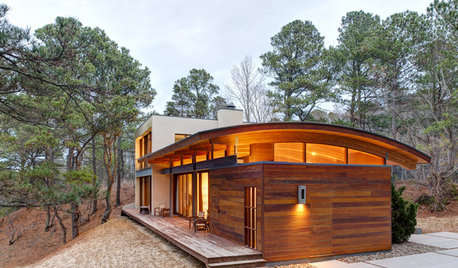
ARCHITECTURERoots of Style: The Segmental Vault Home
Distinctive and proud, these houses may be more common than you might first realize
Full Story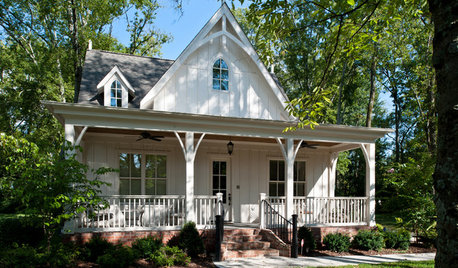
ARCHITECTURERoots of Style: Complex, Romantic Gothic Revival
With its medieval heritage, Gothic design makes a lasting impression in art and architecture
Full Story
HOUZZ TOURSHouzz Tour: Georgia Peach Grows California Roots
Southern Glamour and Bay Views Combine in Lush San Francisco Home
Full Story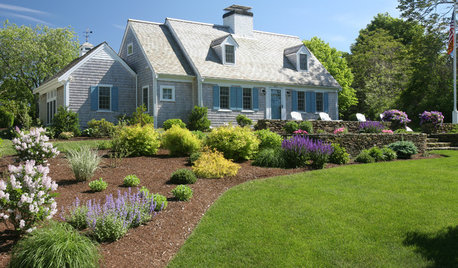
ARCHITECTURERoots of Style: Cape Cod Evolves Into an American Favorite
With its simple gabled roof forms and straightforward design elements, the Boston-area style maintains a centuries-long following
Full Story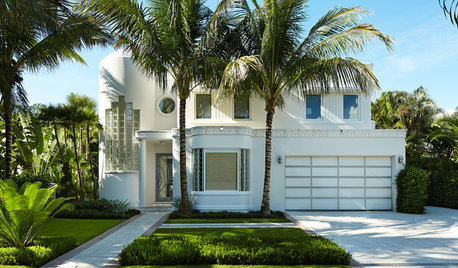
ARCHITECTURERoots of Style: Art Deco and Art Moderne
Get to know the similarities and differences between these architectural styles of the 1920s and 1930s
Full Story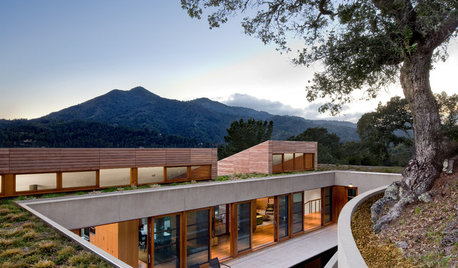
MODERN ARCHITECTUREVisit a California Hillside House Rooted in Nature
Walls of windows open to stunning mountain and bay views on one side and a serene pool courtyard on the other
Full Story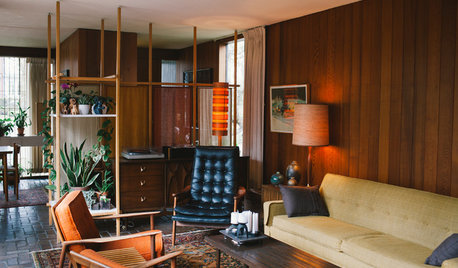
HOUZZ TOURSMy Houzz: A Northwest Home Honors Its Midcentury Roots
A couple embrace Scandinavian modern to preserve the integrity of their home, built by midcentury architect Kenneth Brooks
Full Story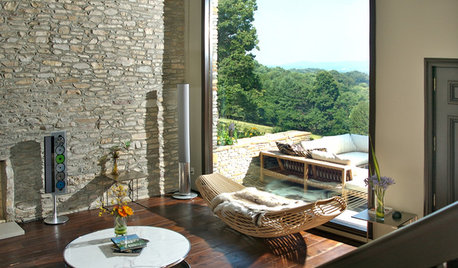
REMODELING GUIDESYour Floors: Zebra, Tiger, and Teak Wood, Oh, My!
Get the Pros and Cons of Exotic Woods: Hickory, Cherry, Rosewood and More
Full Story



Kara 9b SF Bay Area CA
Crenda 10A SW FLOriginal Author
Related Professionals
Crestview Landscape Architects & Landscape Designers · Annapolis Landscape Architects & Landscape Designers · Cumberland Landscape Architects & Landscape Designers · York Landscape Architects & Landscape Designers · Chicago Landscape Architects & Landscape Designers · Monroe Landscape Architects & Landscape Designers · Mount Vernon Landscape Contractors · Elizabethtown Landscape Contractors · Harrisonburg Landscape Contractors · Leamington Landscape Contractors · Tuscaloosa General Contractors · Manchester General Contractors · Trenton General Contractors · Sheboygan General Contractors · Vernal General ContractorsCrenda 10A SW FLOriginal Author
rina_Ontario,Canada 5a
Crenda 10A SW FLOriginal Author