Software
Houzz Logo Print
tenggang

Floor cupping

10 years ago

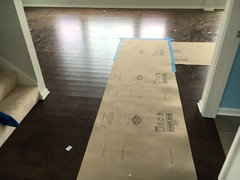
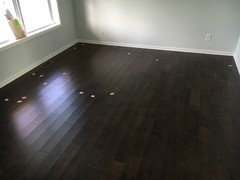
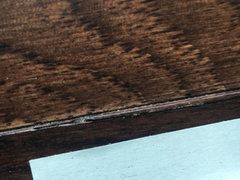
After builder installed the flooring, I noticed that the edge was higher than the center, but I was not aware of that's cupping til yesterday.
We will be closing next week and I brought this to the site supervisor. He's trying to blame that during the radon test, they shut off the AC for 3/4 days which causes high humidity in the house.
I happen to have photos to prove it was there before the test, but my question is, does that mean we have to run A/C all the time to prevent humidity issues or could there be other issues, e.g. basement not waterproofed which is causing the high humidity level in the house?
I can't remember when I noticed the cupping the first time, but it's somewhere between 2-3 weeks after the floor was installed.
Please advise what other tests should we ask builder to do to make sure there is no humidity issues.

Comments (19)

  • 10 years ago

    These are the photos that I took. How bad the cupping is? Shall we insist on they redo it?

    Please help~~


  • 10 years ago

    I'm only a consumer, but I know I wouldn't be happy with that.

    Where are you located?

  • 10 years ago

    We're in Michigan. Construction started in Feb when it was cold and the floor was put on I believe sometime in May. The photos were taken at end of May.

    It looks pretty uggly but I don't know how bad it is.

  • PRO
    10 years ago

    NN, we are sorry that you have to experience this issue for your new construction. Is it a sand and finish on site or factory finished? Engineered or solid structured?

  • 10 years ago

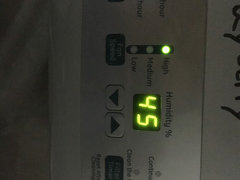
    It's pre finished hardwood I believe. the project manager was aware of it and they put a dehumidifier this week in the basement. It reads 45 now so not super high but that's after almost a week.

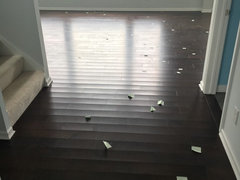
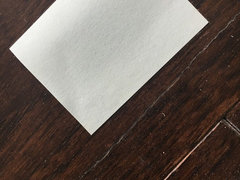
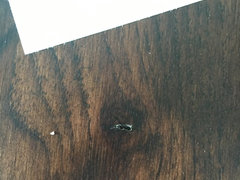
    There are also lots of planks that I find defective but I don't know whether that's normal for hardwood.below is just some examples.

    we will be doing walk through tomorrow so what shall be our best strategy? Shall we ask them to redo everything or wait till how it's like after dry out? What about those "bad" boards ?

  • PRO
    10 years ago

    Reject - the only good thing I can point out about this is that at least they used RamBoard. They put the floor in before the site conditions were acceptable because it worked best for their schedule. If you wait, the water gets muddier and muddier and well, you can probably predict who gets stuck with the problem. And yes, you must control your climate for hardwood to behave properly - see the manufacturer's instructions on the climate recommendations.

    NN thanked Carpet One Columbia
  • 10 years ago

    Do you think the boards are also defective?

  • PRO
    10 years ago

    Doubtful - The installers would/should have noticed, stopped installation, and notified the supplier of the defects - By the way - many suppliers pay for the down time of installers if they stop an installation due to product defects. Industry standard for "culling" is 5% for defective boards and some manufacturers specify less and more - you have to pay attention (at least the installer should). The photographs and your story are consistent with site related and installer related issues - I am not sure of the product quality, but I suspect there are so many more issues with your project - there is no way the product could be blamed - assuming the product was purchased as first quality, running line material and not some sort of cabin grade, discontinued, "as is" type of purchase.

    NN thanked Carpet One Columbia
  • 10 years ago

    We have in total about 600 sqft and I checked the flooring the other day, more than 100 planks are having those kinds of issues here and there. I don't know about the percentage as length is different but I think that's more than 5%.


    Dilemma is we're closing next Wed and rate lock expires by the end of the month. Don' t know whether they have time to fix that before then.


  • 10 years ago

    but I think everybody would agree the installer shouldn't have laid them down :(

    Will be talking to the builder in the afternoon~~ and will get you updated.

  • PRO
    10 years ago

    That is probably not enough time to avoid the same problem. You may negotiate an agreement with the contractor to replace it in the future.

    NN thanked Carpet One Columbia
  • 10 years ago

    are you suggesting I'd better to have them replace the floor completely after closing?

    The builder definitely wants to avoid that and try to talk me into that if the put the dehumidifier in the basement for a while, it will 'cure' the floor.

    But I doubt that once the cupping is there, it will never be back to it's original, right?


  • PRO
    10 years ago

    He wants to avoid that - because it works better for him - not you. They are trying to get you to accept less than what you paid for. Your doubts are not unfounded.

  • 10 years ago

    I'm wondering if you could also talk to your bank and show them the pictures and ask what you can do? Maybe they'll extend the rate another week or two? Have rates gone up or down since you locked in?

  • 10 years ago

    just give you some updates here. The builder agrees to replace everything. we're closing next wed (22nd) but they think it takes another 10-14 days complete everything, so shall we ask for some compensation from the builder?

  • 10 years ago

    Move the closing date back. You don't want to pay the builder in full until he completes the punch list.

  • 10 years ago

    can't really as the rate is locked till the end of the month otherwise it will be extra cost to re-lock the rate.

    the builder claims that there is moisture barriers underneath and I don't quite understand then how the cupping can still happen.

    Their explanation is the moisture can go into the wood from the front side. as it's a new construction, it contains too much moisture (70? on the first floor?) so it will cause the cupping no matter whether there is anything block the moisture from the bottom of the floor or not.

    Is that correct?

  • 10 years ago

    Prefinished solid wood is tricky. You can let it acclimate indoors but if the humidity fluctuates once it's installed, it can cup. Assuming there is a vapor/moisture retarder under the floor, it's best to let it sit through a full complement of seasons before doing anything drastic. The main entry point for moisture is the bottom, but it can soak up moisture from the air also. If anything is done now, the new material will have to be removed from the cartons and stacked so air can circulate around the boards.

    Of your 3 pictures, I only see one flaw. I can't see any flaw on the first picture. The board with the split should be replaced. The board with the teeny tiny hole can be filled. It would be foolish to rip a board out for that.

    Keep in mind that floors are judged from a standing position. Take your pictures from eye level for a better determinant of what constitutes a flaw.

    If the humidity in your home is consistently 70%, you'll probably need to control that. Purchase an inexpensive thermo hygrometer to monitor the humidity.

    What kind of barrier was used under the floor? Did they test the moisture level in the subfloor prior to installation? If you have high moisture in the subfloor, the cupping may well rectify itself naturally. If it's really high, the cupping may get worse. The moisture level in the subfloor could have an effect on any new wood installed if there's not an absolute moisture barrier between it and the wood flooring.

Sponsored
AIS Renovations
Average rating: 4.5 out of 5 stars15 Reviews
Custom Craftsmanship & Construction Solutions in Franklin County, Ohio