Software
Houzz Logo Print
taekwonv82

Dormant Grass or Brown Patch?

10 years ago
last modified: 10 years ago

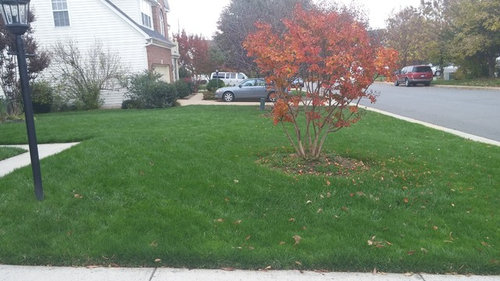
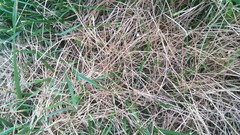
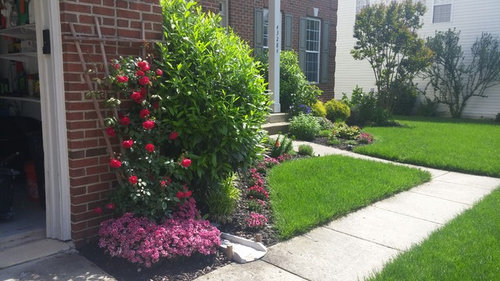
I need help diagnosing my lawn problems. Is this brown patch disease, dead or dormant grass? I live in Northern VA, zone 7. This is My lawn a month ago, May 23rd. It practically rained the whole month prior to this picture being taken. Lawn looks pretty decent.

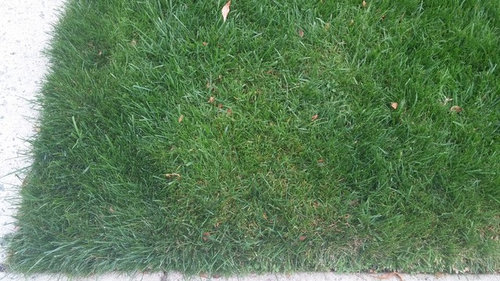
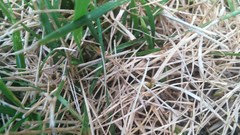
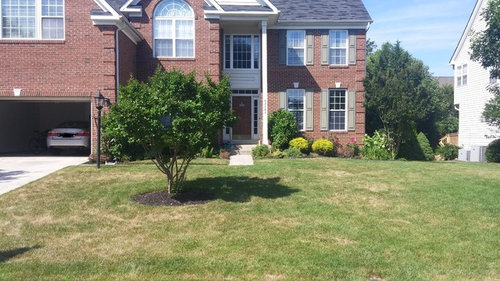
Here it is on June 19th.


Some additional facts

- I do not have a sprinkler system. I've rarely watered the lawn this year due to the amount of rain we've gotten.

- I first noticed the lawn getting brown around June 14th, immediately after we had an extremely hot weekend. Temps in the 95's.

- 3 days prior to that hot weekend, I sprayed Bayer Advanced Insect Killer on front lawn. Temperature that day was low 80's. We had a light rain the day after I sprayed, before the hot weekend occurred.

- I applied 40 lbs of cornmeal on my front lawn 2nd week of May due to some red thread fungus forming.

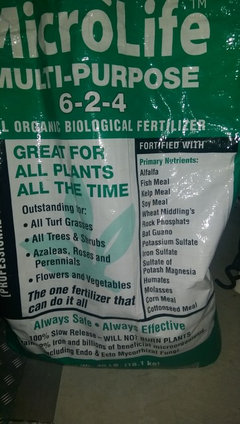
- I applied Milogranite around the same time as corn meal after reading that red thread was due to nitrogen deficiencies.

- 2nd application of Milogranite (half recommended dosage) on May 31st.

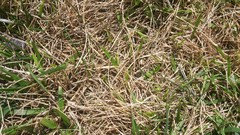
- My previous landscaping company seeded last September, 2015. I had lots of bare patches due to them killing half of my lawn because of weed killer applied in July high 90's temps. I noticed at the time of seeding, they did not de-thatch, and in my opinion put down too much seed. They used a rotary spreader, and then threw random handfuls of seed down everywhere. I have been doing my own landscaping and mowing since then. Here's a picture from last year. Notice in 2nd pic, the thin small grass blades.

Sorry for the long read, but I would appreciate any advice from the experts on this forum. I'm hoping the grass is still salvageable and want to avoid seeding again this year if possible. When I pull hard on the brown grass right now it does not come out easily. If it is indeed brown patch, is there any thing I can do right now to treat it? I will update with more pictures later on, thank you.

Comments (20)

  • 10 years ago

    Probably a combination of both. If you haven't watered it's probably dormant/dead. What remains appears to have fungal lesions. The water from the rain isn't going to sustain the grass forever, once the top 4-6 inches dry out (that's where the roots are) the grass needs water again. It could take as little as 4 days in temps above 90 for that to happen, even after the heaviest of rains.

  • 10 years ago

    I'm thinking that there is too much thatch in the brown areas which lead to poor soil conditions and shallow roots. As you've stated, the hot temps probably dried out the grass and it turned brown. Still, despite the hot days, we've had rain at least once a week. Is that enough water to keep the roots alive? I also busted out the sprinkler last weekend after spraying baby shampoo on my lawn. (that has healed some problem areas in the past).

    What treatments or watering practices would you do right now? I'm mostly worried about the Brown patch disease and it spreading. Is it too late to put down more Corn Meal?

  • 10 years ago

    The grass needs a minimum of 1" of water a week during these hot periods to stay green. Rains sometime deliver only 0.2" even if it looks like it rained a lot. Water until you can easily stick a 4" screwdriver all the way into the soil. Use the same screwdriver test to determine when it needs more water - if it only goes in about half way, time to water.

    As far as fungicide, I would skip the cornmeal and apply a round of Headway G for an immediate kill.

  • 10 years ago

    I'm a little hesitant to use a fungicide atm due to the cost and also because you guys are advocates of organics. I've been reading other threads and apparently using chemicals will just start a vicious cycle. If I use Headway G will it kill off all the beneficial Fungi, and will I have to use it year after year? If so, I'd like to hear any alternate methods even if it means having a bad looking lawn the rest of the year.

  • 10 years ago
    last modified: 10 years ago
    There's no organic solution to fungal problems. Cornmeal is wishful thinking. If you had a case of flesh eating bacteria destroying your leg, would you refuse antibiotics because it will kill your gut bacteria? I think not, you save your leg and you can take probiotics later. You basically have 3 options:

    • Fungicide. If you can't afford Headway G, at least spray some Bayer Fungus Control from Lowe's, it's $15. Yes it will kill a lot of the fungi. There is no vicious cycle, by the time next year comes, your fungus levels will be long back to normal, the population will restore itself. The air is full of spores. Also, as you can see, the beneficial Fungi you have now have done nothing to protect your grass.
    • Let the grass go dormant. You risk losing all of it.
    • Do nothing, keep watering it. You risk losing all of it.

    The choice is yours.

  • 10 years ago

    The other thread im referring to is

    http://forums2.gardenweb.com/discussions/1503615/how-often-to-apply-fungicide-for-prevention

    I understand that they are discussing a different situation in that they are mostly talking about preventative vs established disease. However, in one of the later replies, Dchall mentions using compost and then spreading corn meal afterwards for existing brown patch. He also says that he uses corn meal for existing brown patch. Is this method viable in my case?

    Also, I'm still not 100% sure if this is brown patch. Reason being, my lawn looked similar albeit not as bad in early April after my parents visited and did some garden work. All the areas that had foot traffic turned brown/white. It was due to compacted soil from frequent walking and kneeling down. I put down some soil conditioner and sprayed a lot of baby shampoo. After some rain, the seemingly dead areas greened right back up.


    The brown patch/dead/dormant areas I have now includes all the those mentioned areas + more. (Areas that had traditionally had thin blades of grass due to crappy overseeding methods). So my questions atm are

    - Are my problem areas definitely brown patch disease or was it due to lack of watering and poor soil conditions?

    - Does brown patch disease generally target weak grass? Since all of these areas are recently seeded, have been thin in the past, was it more susceptible to the disease?

    - Does brown patch kill grass or will it eventually recover?


    I'm willing to put down Headway G, but would like to determine if it is indeed brown patch disease first. Thank you for your comments so far J4c11. Everything you've said makes sense but I'm going to wait till others chime in so I can make a more informed decision. Is Dchall still active on these forums? Would appreciate any advice, thank you.


  • 10 years ago
    last modified: 10 years ago
    - He also says that he uses corn meal for existing brown patch. Is this method viable in my case?

    People have reported corn meal to be ineffective to treat brown patch. One gentleman applied corn meal for about two months, got nowhere and resolved the issue in about 7 days with Headway G.

    - Are my problem areas definitely brown patch disease or was it due to lack of watering and poor soil conditions?

    I see fungal lesions on some of the grass blades. My guess is you lost some grass due to fungus,some due to lack of water and poor soil conditions. Dormant grass in April temps will survive much longer than dormant grass in June temps.

    - Does brown patch disease generally target weak grass? Since all of these areas are recently seeded, have been thin in the past, was it more susceptible to the disease?

    Brown patch targets all the grass it can get ahold of, even more so fresh juicy new growth. A healthy thick growing grass is more susceptible than stressed nitrogen deprived grass.

    - Does brown patch kill grass or will it eventually recover?

    It will kill the grass. It's start from scratch in the fall.

    -Is Dchall still active on these forums?

    He sure is :-), I'm sure he will be along soon.

  • 10 years ago
    last modified: 10 years ago
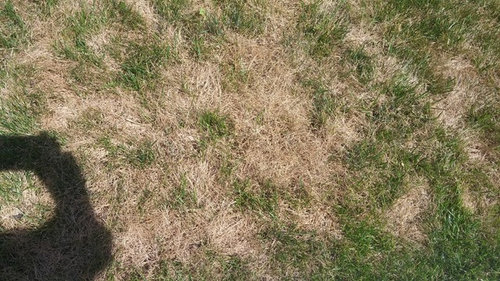
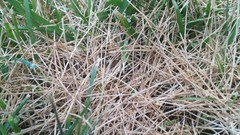
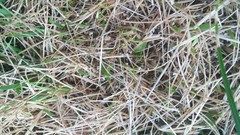
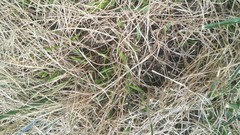
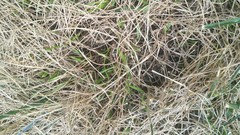
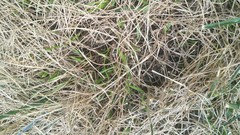
    I took some more pictures this morning around 7:30 am. The white granules are cornmeal I put down yesterday that I probably should not have. I see new green growth underneath the white/brown grass. Is this indicative of anything? I did not see any of the smoky spider webby stuff around any of the grass, or was it too late in the morning to observe this? Once again, would just like to confirm that its brown patch! I'm going to buy some Headway G this weekend if possible.

  • 10 years ago
    last modified: 10 years ago
    You have the best view of your lawn so it's easiest for you to identify what's going on. Here's an article from NCSU with pictures to help identify the most common fungal diseases:

    https://www.cals.ncsu.edu/plantpath/extension/fact_sheets/Turfgrass_-_Managing_Diseases_of_Tall_Fescue.htm

    .. and another on brown patch itself:

    https://www.cals.ncsu.edu/plantpath/extension/fact_sheets/Turfgrass_-_Managing_Brown_Patch_in_Tall_Fescue_Landscapes.htm

    ... and another from Clemson with treatment options for brown patch and their effectiveness:

    http://www.clemson.edu/extension/hgic/pests/plant_pests/lawns/hgic2150.html


  • 10 years ago

    I looked around the lawn for browning areas that aren't as dead as the above pics. I definitely spotted more fungal lesions. Going to pick up Headway from the John Deere store tomorrow morning.


    Any tips/advice on spreading granule Headway G?

    - Do I need to mow the lawn first or refrain from mowing after putting it down?

    - What rotary setting do I use on a Scott's spreader? The label only uses oz. measurements.

    - Spread on whole lawn or only problem areas? Do I water it in?


    Thanks again.

  • 10 years ago

    Read the label on the product very carefully before applying. There may be temperature restrictions. I don't think mowing comes into play since it's granular, either way should work. As far as the spreader, each one is different so I don't know. The label may have information on spreader settings. And finally, in regards to watering it in, since it's granular I'm fairly certain you do have to water it in but again, read the label, it should tell you how much water needs to go down. Headway G is top notch stuff, you're in good hands.

  • 10 years ago

    dchall has consistently recommend that people do what works. I have read back over a decade of stuff he has written on many forums and I don't find him arguing to do things "his way." I find that he makes recommendations based not only on qualitative data but also quantitative data. People OFTEN discount qual data but the reality is that a good chunk of quan data starts off from qual data - it needs a starting point.

    dc has suggested using fungicides over cornmeal a lot recently due to people having so much rain, downplaying of organics, the success of the fungicides, etc.


    My point: there is a way to present differing of opinions without completely lambasting one side of an argument. On twitter & other places you can easily find many people who openly argue their points back & forth. This site is different - there is a very small contingent of knowledgeable, helpful, volunteers. I have noticed that when Person A completely nullifies Person B's suggestion, Person B does not respond in kind (except for Morpheus when gets caught in the moment, but he eventually catches himself). This usually leaves Person A and that school of thought as the only input provided - which is less optimal imho.

  • 10 years ago

    (fyi, lady here)

    Sorry :-)

  • 10 years ago

    Grey leaf & take-all are common down here. If you're anywhere near Houston, try this or rhizogen.

  • 10 years ago

    What kind of grass do you have?

    I'm wondering if these are really the conditions that lead to what would appear to be a widespread fungal attack. If I read right, you had lots of rain in April/May, then mostly dry and hotter into the second or third week of June with some rain here and there. If you have ever measured how much water actually falls during a typical rain you'd be surprised that it can be practically nothing, which doesn't help drought stressed grass.

    Maybe I shouldn't be commenting because I'm not a fungus expert, but I have been following the various fungus discussions and am learning. Frankly, to me, I don't see much of a fungal outbreak. I think your lawn is drought stressed, and looks like most of the lawns here in sunny and dry NJ. One of the clues to me is that your dead grass closeups show nice new blemish free grass coming up in the middle. Presumably you've gotten more water recently. According to morpheus, grass typically has some small amount of fungal attack all the time. It is just kept in check normally.

    In contrast, here is a thread where somebody has plucked grass out and taken some good quality photos. These definitely look like fungal problems, assuming these aren't 1 in 1000 blades. I just don't see anything that bad in your photos. Maybe you should treat it anyway because if it really is fungus then maybe better safe than sorry.

    http://forums2.gardenweb.com/discussions/1509505/please-help-lawn-burn-brown-patch-other

    Also, it is odd that you had dead spots from people walking on the lawn. That shouldn't happen. If you want to get the lawn in good health, it is best to start at the beginning with a soil test from Logan Labs. Post the results in this forum and morpheus will eventually make recommendations for you.


  • 10 years ago

    Thanks for the response daniel. Yea, I'm still not sure whether or not I have brown patch. After reading through some more forums and talking to some people, it seems that the overseeded areas just didn't have a healthy root system in time for that extremely hot weekend. It rained almost every day in May so that grass never had a chance to look deeper for moisture?

    I bought some soil test kits from my local extension office so I'll get around to that asap.

    I'm glad that you mentioned that lawns typically have some sort of fungal attack all the time. I walked around my lawn and found fungal lesions in various places but not in a great amount. But to be safe, I purchased two bags of Headway G at $60 a pop. I just mowed the lawn and it is almost 90 degrees today and tomorrow. Is it safe to apply fungicide in these temps or will it do more damage than harm? Should I water the lawn a lot today and then apply tomorrow? Would appreciate any quick responses, getting antsy about it.

  • 10 years ago

    I don't know about fungicide application, but I'm sure the bag will mention any limitations with temperature.

    You never seed in the spring if you can avoid it because the immature grass often dies in the summer heat. Sounds like you had some of that even though it was planted in the fall.

    In your third of four close up pics above, what does that new grass look like? Does it now have lesions, or is it coming in thicker and green? Just curious as to me healthy regrowth might just signal heat stress. (Just a guess on my part).

  • 10 years ago
    last modified: 10 years ago
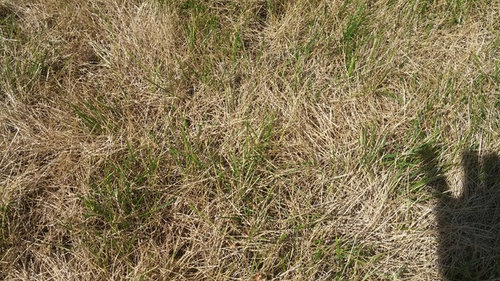
    Just went outside. There are some fungal lesions here and there but if i had to guess maybe its like 1 out of 20 grass blades (of the new growth).

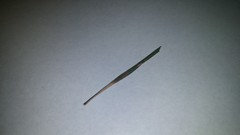
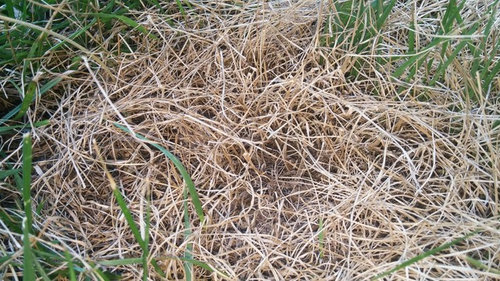
    The last pic is a blade of grass I took out a few days ago from a different part of lawn. That area of the lawn has healthy growth but is starting to brown a little bit. It is no where near as dead looking as the pics I've been posting.

  • 10 years ago

    There is also good old fashioned summer patch to consider.