Software
Houzz Logo Print
yasmin_vishwanathan

Need ideas on backyard

10 years ago
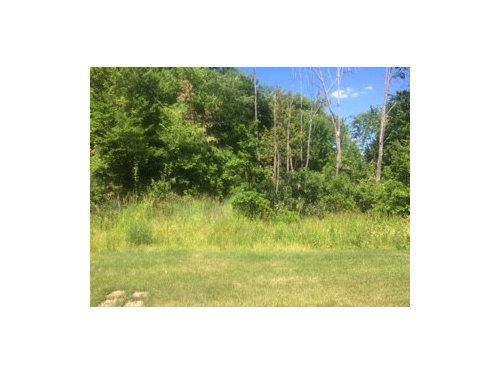
Hi, bought a house recently that looks out to protected wetlands at the back. There is a backyard ( grass ) and a ton of weeds at the edge of where the wetlands begins.

I am looking for some easy , DIY , not too expensive ideas on how to make that space look better. Attaching a photo as well. I am planning on removing what weeds I can , but is it possible to plant stuff or do something to prevent them coming back in such abundance.

Comments (6)

  • 10 years ago

    ETA - I am in Zone 6

  • 10 years ago
    last modified: 10 years ago

    Where does your property end?

    As you said it's protected, you can't do major changes. In a wetland it's illegal to use chemical herbicides with few exceptions for such things as professionals with permits removing invasives, and similarly you probably don't want to use something like weed-n-feed since it may harm the wetland. In reality, your yard won't look like a standard suburban yard because it isn't. Fluctuating water levels along the edge will influence what can grow there, and generally it's best to let grow what will grow there happily rather than looking at it as weeds.

    I'd mow to the edge of where you want the lawn, put down a buried edging to keep the herbaceous wetland plants from creeping in, and then plant on the lawn side and mulch native shrubs or herbaceous flowers that won't mind the fluctuating moisture levels near a wetland. You don't say where you are, but here in central NH (acid sandy soil over a deep clay base) in a borrow pit that was used to supply road material many years ago, I've used a bunch of water tolerant natives that will also survive dry spells in an effort to improve both the appearance of this degraded area (previous owners used it illegally for mud vehicles) and to improve its habitat value.

    Clethra alnifolia - (summer sweet) late summer flowers and bright yellow fall color; suckering growth

    Rosa palustris - (swamp rose) single pink flowers at this time of year

    Rhododendron viscosum - (swamp rhododendron), with sweet smelling flowers in the next few weeks, deciduous with nice fall color

    tall wild blueberries in the less wet/higher areas

    Huckleberry (Gaylussacia baccata) has white flowers and edible blueberry-like fruit

    Cephalanthus occidentalis (Buttonbush) has sputnik-looking white flowers in summer, much loved by pollinators

    Chamaedaphne calyculata (Leatherleaf) low-growing evergreen with white spring flowers

    Labrador-tea
    (Rhododendron groenlandicum but used to be called Ledum groenlandicum) white spring flowers on semi-evergreen plants

    Some of them require acid soil, but the clethra, rose, and buttonbush should be fine in many areas of the northern half of the country.

    You could also look around for native wetland wildflowers (be sure to confirm ID - the Name that Plant forum would be useful so that you don't spread invasive non-natives like purple loosestrife) to add seed along the edge to enhance what is there. There are a range of striking wetland perennials that look lovely for much of the summer that include native Joe-pye-weed (which used to be Eupatorium, but has changed names at least twice recently to Eutrochium and Eupatoriadelphus, so you might find it listed under any of them), boneset (Eupatorium perfoliatum), Ironweed (Veronia sp.), some of the wetland goldenrods or wetland asters or other similar plants. Many of these are large, statuesque plants, and could be used in a mixed border of shrubs and herbaceous plants.)

    There are a range of resources to use to find native plants for your area that will be happy in a wet area. The New England Wildflower Society has gardens, a nursery, and info online. The Lady Bird Johnson Wildflower Center has similar on the ground and online resources, but since it's not in my area, I don't know much about whether it has a plant nursery. There are most likely similar organizations in other parts of the country.

    If you want to add your location to your profile so we don't have to ask:

    Go to Your Houzz in the upper right of every page, click Edit Profile, and on the left side click advanced settings. Well down the advanced settings page is a blank labeled Climate Zone for Garden Forums along with a link to find your zone.

    If you add info on your state or the nearest large city you will get even better information since zone only relates to average coldest winter temperatures.

    Then return to the top of the page and click Done Editing.

    yas Vi thanked NHBabs z4b-5a NH
  • 10 years ago

    Thank you all !!

    I updated my Zone area . I "think" my property ends just about till where the lawn is - maybe a few inches more . I need to consult with the HOA to make sure I am not violating anything.

    The part where the grass meets the protected area/weeds is impossible to keep weed free with creeping charlie and all sorts of other stuff creeping towards the lawn.

    So , I think the idea of a buried edging is probably what I am looking for - towards the lawn side like the suggestions were.


  • 10 years ago

    One thing that I often suggest is that folks live for a year in a place before making major changes. That way you will have a full year to observe how things change over the seasons: what blooms in late summer, how high the water level may get, how the light changes in the yard as the sun angle moves through the year, and so forth. It will allow you to do some planning as to what views you like and want to continue to see (such as a tree with gorgeous autumn color or an area where you can watch a neighborhood critters) and what you want to hide with plantings (telephone poles or other utilities, the neighbor's trash cans).

    Get a soil test done to find out what your soil's pH is. If it's acid, you could use most of what I mentioned, but if it's neutral to alkaline, you could only use from my list the 3 I mentioned are tolerant of a wider range of pH.

    One more native shrub that's not fussy about pH is red-twig dogwood. It doesn't have spectacular flowers, but some forms have nice fall color, and the red branches are lovely in winter.

    One native clematis, C. virginiana, grows on the floodplain next to the stream here, so you may find it is happy in your area as well.

    With creeping charlie and similar plants, you will want a buried edging, with a line of bricks or patio blocks and then the mulched plantings. Periodically go over to the wet side and remove anything trying to creep in over the blocks. You will probably also want to do the buried edging and line of block on the lawn and house side to keep creeping charlie out from that side.

    One of the lovely things about living near a wetland is that you will have a wealth of birds and wildlife. You will have mosquitoes, however, so you may want to get a screened in gazebo or add a screened porch somewhere down the line. I also add a natural bacteria, Bacillus thuringiensis israelensis, to my wetlands which only infects mosquito larvae and doesn't harm any of the birds, fish, or amphibians, or most other aquatic larvae (black flies, which don't grow in your area, and some midges are susceptible). It doesn't get rid of all the mosquitoes (and in all honesty I wouldn't want that since they are a food source for other critters), but it does cut down on the number. It comes in granules or dunks, so I use the dunks in the larger pools and the granules in areas where it's more like seeps. If your wetland has fish, you may not need to worry about mosquitoes as much since the fish may eat many of the larvae.

  • PRO
    10 years ago

    Find out the limits of the wetlands and your yard. If you have a map that shows how these relate, please post.