

Air Sealing Attic
10 years ago
Sort by:Oldest
Comments (3)
Related Stories
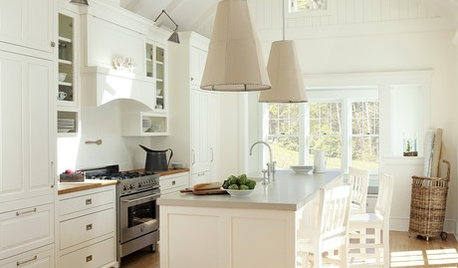
HEALTHY HOMEGet Cleaner Indoor Air Without Opening a Window
Mechanical ventilation can actually be better for your home than the natural kind. Find out the whys and hows here
Full Story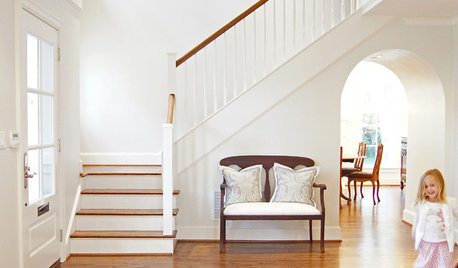
HEALTHY HOMEA Guide to Indoor Air Purifiers
Get the lowdown on air filtration systems for your house and the important ratings to look out for
Full Story
GREEN DECORATING6 Ways to Cool Off Without Air Conditioning
These methods can reduce temperatures in the home and save on energy bills
Full Story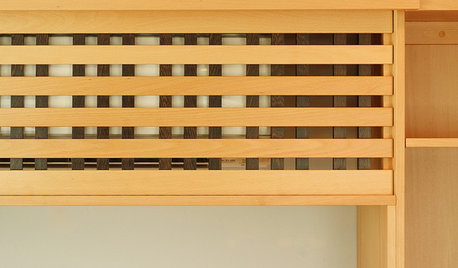
DECORATING GUIDES10 Ways to Hide That Air Conditioner
Feeling boxed in designing around your mini-split air conditioner? Try one of these clever disguises and distractions
Full Story
DECORATING GUIDES12 Ways to Cool Your Home Without Air Conditioning
If your summer energy bill is leaving you hot under the collar, consider these savvy alternate strategies for cooling down
Full Story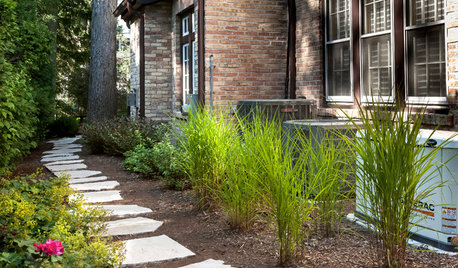
MOST POPULAR5 Ways to Hide That Big Air Conditioner in Your Yard
Don’t sweat that boxy A/C unit. Here’s how to place it out of sight and out of mind
Full Story
REMODELING GUIDESWake Up Rooms With the Power of Fresh Air
Even the trendiest interior designs can feel stale when your home is in permanent lockdown. Look to windows and doors for the solution
Full Story
MOST POPULARMy Houzz: Open-Air Living in the Mountains of Bali
Community, jaw-dropping beauty and sustainability come together in a tropical paradise for a London expat
Full Story
CONTEMPORARY HOMESHouzz Tour: An Air of Mystery, Grounded in Practicality
Not all is revealed at once in this new New Zealand home, which balances cocktail chic and family playspace
Full Story
ATTICS14 Tips for Decorating an Attic — Awkward Spots and All
Turn design challenges into opportunities with our decorating ideas for attics with steep slopes, dim light and more
Full Story
mike_home
stickman42
Related Professionals
Houma General Contractors · Greensboro General Contractors · Barnstable General Contractors · Bridgeport General Contractors · Riverside General Contractors · Ontario General Contractors · College Station Home Remodeling · Saint Marys Home Remodeling · San Luis Obispo Home Remodeling · Juneau Home Remodeling · Medford Home Remodeling · York Home Remodeling · Clarksville Bathroom Remodelers · Waterloo Bathroom Remodelers · Toledo Bathroom Remodelersenergy_rater_la