Software
Houzz Logo Print
imjazzer

Replacing older A/C unit -- where to start?

10 years ago

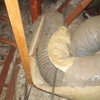
We've been in our 1930s (1500 sq.ft.) two-story bungalow in the DC area for about 15 years. We've been served well by the HVAC systems we've inherited: gas boiler/radiators and gas hot water heater; and central A/C unit (air handler shoe-horned into tiny attic crawl space, compressor outside). Once, about 10 years ago, when the AC seemed not to be cooling so well, we had someone out and he added more freon. This year, an energy auditor recommended improving the insulation in the attic and upgrading the entire A/C system at the same time--probably not a bad idea but we cleaved to the "if it ain't broke..." adage. Well, guess what? It's August in DC and the A/C seems to be struggling to cool again, despite a new filter. Clearly, we need to do something.

But what?

Have someone out to troubleshoot and/or repair the current system, or replace the whole thing--given that it uses and is built around R-22--and get new insulation in the attic? Having never gone down this road before, how do new installations work? Do certain contractors only use certain brands? Which are best? Can someone point me in the direction of any helpful reviews or articles, or offer any sound advice? Thanks in advance!

Comments (10)

  • 10 years ago

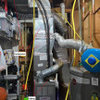
    I don't know the size. The air handler is Luxaire model #F2RP042H06A, and the condenser is a York Performance Plus model #HBBA-F036SD. Both were likely installed in 1997. How can you tell the tonnage? Thanks again.

  • 10 years ago

    looks like a 3 ton condenser from the mdl number provided...how did it perform when working properly as far as comfort?

    IMO

  • 10 years ago

    Worked just fine; our whole family was pretty comfortable at the lowest setting we typically used (78F). Did you determine the tonnage from the air handler (42) or the condenser (36), or both?

    Also--naive question, sorry!--is there any way to incorporate a whole house humidifer without converting to forced air heat? We also have a wood stove insert in our fireplace and the low winter humidity is really uncomfortable for me. Room-size humidifiers barely make a dent.

  • 10 years ago

    As to size, you get that from the AC condenser...36 usually indicates a 3 ton,

    3 x 12 = 36.

    Since you have existing ductwork, you could add a humidifier when/if you replace your system which I would recommend. I think it would be a serious mistake to spend any serious money for a repair on a nearly 20 yr old system.

    IMO

  • 10 years ago

    The size of the AC is determined by the condenser. The air handler is usually the same size or larger. Air handlers can be adjusted to work with a range of condenser sizes.

    Low humidity in the winter is usually caused by leaky windows. The fireplace may be a big leakage spot. If that can be addressed then your humidity level should improve. Not sure what is available for a central humidifier system that does not rely on duct work.

    Are your radiators hot water or steam heated? If they are steam, then you should not be having a humidity problem in the winter.

  • 10 years ago

    Thanks for the replies! The windows are as old as the house but are covered by storm windows in the winter. The fireplace received a new liner when the stove insert was installed. There are ducts throughout the house for AC; could they work with a whole house humidifier? I think the radiators are hot water not steam, since we need to "bleed" them occasionally to get rid of air, but I'm not sure. Also, not sure why one would provide more humidity than the other, since both, as I understand them, are closed systems.

    So what to look for in a new A/C system, especially given new regs? What's the state-of-the-art refrigerant? And what to look for in a HVAC contractor?


  • 10 years ago
    last modified: 10 years ago

    You should already have a relationship with an HVAC dealer. What brands does he sell? There is your starting point. No low end builder grade condensers. I prefer var speed air handlers especially for DC area that has high humidity. Aluminum coils. R410 refrigerant. Full coil protection for outside condenser.pressure protection. AHRI match. 14-15 SEER minimum.

    IMO

  • 10 years ago

    There are one pipe steam systems which have radiator vent at one end. As the steam enters from the opposite end, moist air is released into the room. It helps keep the humidity high in the winter.

    I suppose the humidifier would be integrated with the air handler. But it will need to be wired so the condenser does not turn on. It is not a common set up.

    The refrigerant in use is R410a. Systems were R22 are no longer allowed to be manufactured.

    Air handlers can be single. multiple, or variable speed. AC condensers come in single and 2-stage varieties. If you live in Virginia (not sure about DC itself) the minimum SEER rating allowed is 14.

    You want a contractor who will size the equipment to your house and climate and install it properly. He should also inspect the duct work for problems and size. In my opinion a small to medium sized family owned business who is an authorized dealer of one the major brands who be a good choice.

  • 10 years ago

    A forced air AC system is just crying out for a forced air heating system (heatpump or furnace). Anything else is going to be an expensive luxury (or an expensive headache).