

Killing kyllinga grass...........
10 years ago
Sort by:Oldest
Comments (3)
Related Stories
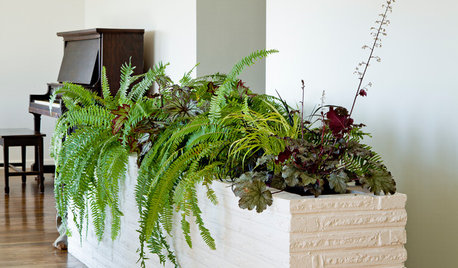
HOUSEPLANTS8 Houseplants You Can't Kill
They're forgiving and let you forget. Houseplants don't get any easier than this
Full Story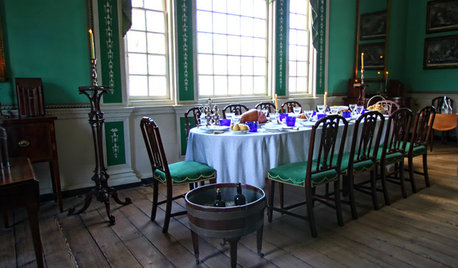
COLORWhen Color Could Kill: Stories From the History of Paint
Delve into paint's storied past — what you learn about its history and modern incarnations may surprise you
Full Story
GARDENING GUIDESGreat Design Plant: Purple Needle Grass, California’s State Grass
The long-lived, drought-tolerant Stipa pulchra is as admired for its benefits as for its good looks
Full Story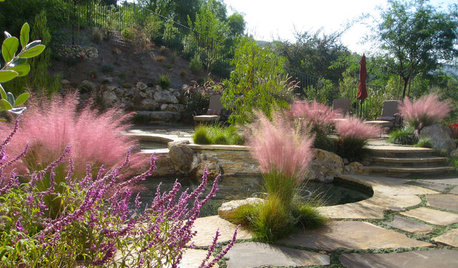
GRASSES10 Ways to Use Ornamental Grasses in the Landscape
These low-maintenance plants can add beauty, texture and privacy to any size garden
Full Story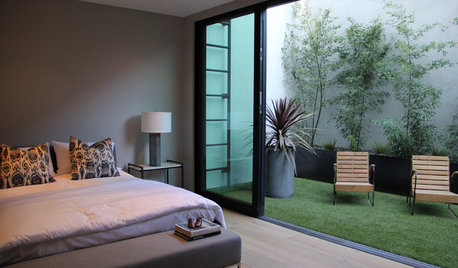
LANDSCAPE DESIGNIs It Time to Consider Fake Grass?
With more realistic-looking options than ever, synthetic turf can be a boon. Find the benefits and an installation how-to here
Full Story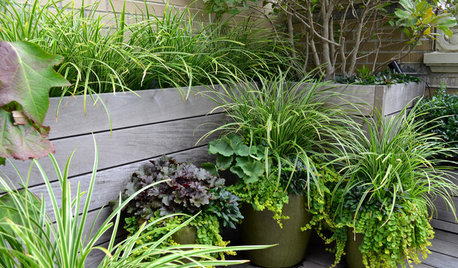
PLANTING IDEASCreate High-Impact Container Gardens With Grasses
When it comes to adding drama, texture and panache to a pot, these strappy species are hard to beat
Full Story
GARDENING GUIDES5 Great Grasses for a New Lawn
Learn about maintenance, wear tolerance, ideal climate and more for these top turf choices to pick the right one for you
Full Story
GARDENING GUIDESMeet the Grass-Carrying Wasp, a Gentle Pollinator of Summer Flowers
These fascinating insects nest in wood cavities and hollow plant stems
Full Story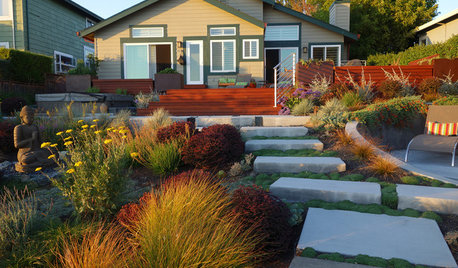
INSPIRING GARDENSInside Houzz: A Waterfront Property Ditches the Grass for a Garden
New drought-tolerant plantings and outdoor gathering spaces help this California backyard take in the view without wasting space or water
Full Story
GARDENING GUIDESHerb Garden Essentials: Grow Your Own Delicious Mint
Pull out a pot for this one. Mint's spreading habit and hard-to-kill nature can be a blessing — if you're properly prepared
Full Story

dchall_san_antonio
sydlaOriginal Author
Related Professionals
Palm Bay Landscape Architects & Landscape Designers · Lafayette Landscape Architects & Landscape Designers · Glenwood Springs Landscape Architects & Landscape Designers · Amarillo Landscape Architects & Landscape Designers · Mount Vernon Landscape Contractors · Hannibal Landscape Contractors · Webster Landscape Contractors · Trenton Landscape Contractors · New York City Landscape Contractors · Superior Landscape Contractors · Dothan Home Builders · Terre Haute Home Builders · New Bedford Home Builders · London Home Builders · Toronto Home Buildersreeljake