

Pentas
10 years ago
Sort by:Oldest
Comments (4)
Related Stories
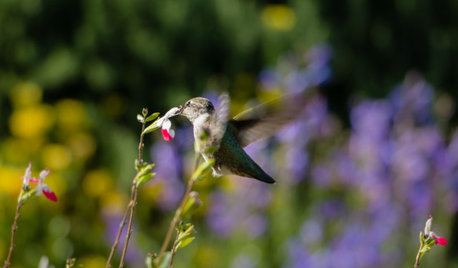
GARDENING GUIDESAttract Hummingbirds and Bees With These Beautiful Summer Flowers
Roll out a welcome mat for pollinators to keep your landscape in balance and thriving
Full Story
GARDENING FOR BUTTERFLIESButterfly Gardening: Delight the Eyes With Living Sculptures
Surprise and thrill with a garden that attracts magical winged creatures, bringing color, movement and life
Full Story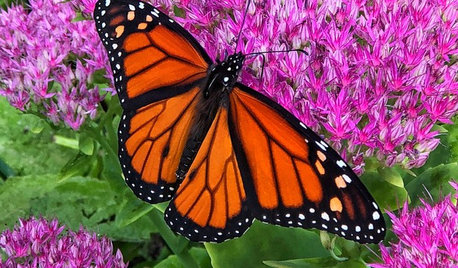
GARDENING GUIDES6 Steps to Creating Your Butterfly Garden
Encourage these fanciful winged beauties to visit your garden while helping restore their fragmented habitat
Full Story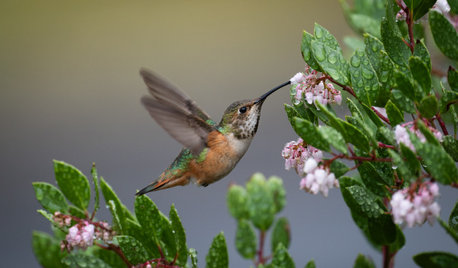
EARTH DAYCreate a Container Wildlife Habitat for Hummingbirds and Butterflies
Don’t let limited space prevent you from welcoming wildlife into your garden
Full Story
GARDENING GUIDES6 Plants That Beat Butterfly Bush for the Wildlife Draw
It's invasive, a nonnative and a poor insect magnet. Check out these better alternatives to butterfly bush in the garden
Full Story
LIGHTINGRemake a Space With a Sculptural Chandelier
See which one of these dramatic light fixtures best shows off your unique style
Full Story
EXTERIORSWalkway Landscaping Rolls Out the Welcome Mat
Add color and curb appeal to your home with a statement-making front landscape
Full Story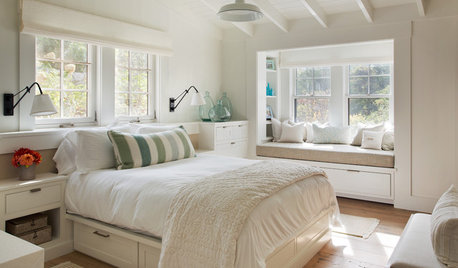
BEDROOMSTrending Now: 25 Bedrooms We’d Love to Fall Asleep In
Looking for a comfortable and calm space? Consider some of the most popular new bedroom photos on Houzz
Full Story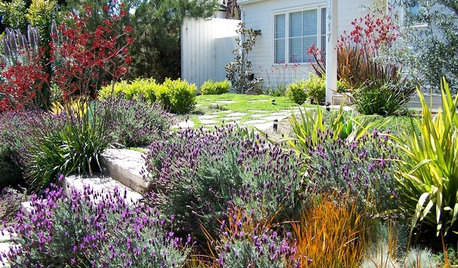
SAVING WATERGreat Plants for Lush, Low-Water Gardens
Water restrictions making your garden look washed out? Give it living color with unthirsty grasses, flowers and succulents
Full Story
GARDENING GUIDESTexas Gardener's March Checklist
So long, freezing temperatures. It's time to kick off spring planting, lavish attention on lawns and sprinkle seeds to your heart's content
Full Story0

Sponsored
Mary Leek
Iris S (SC, Zone 7b)
Related Professionals
Westminster Landscape Architects & Landscape Designers · Muskogee Landscape Architects & Landscape Designers · Anniston Landscape Architects & Landscape Designers · Niles Landscape Architects & Landscape Designers · Portsmouth Landscape Contractors · Beatrice Landscape Contractors · Scranton Landscape Contractors · Atlanta Home Builders · Natchez Home Builders · Spartanburg Home Builders · Galveston Home Builders · Chicago Home Builders · Manchester Home Builders · Oshkosh Home Builders · La Grande Home BuildersTomOriginal Author
Mary Leek