

using live edge walnut, kiln dried or no?
9 years ago
Sort by:Oldest
Comments (5)
Related Stories
VACATION HOMESHouzz Tour: Traditional Chicory Kiln Becomes a Retreat for Two
A couple converts the Philip Island, Australia, structure into a vacation home with an unusual open-plan design
Full Story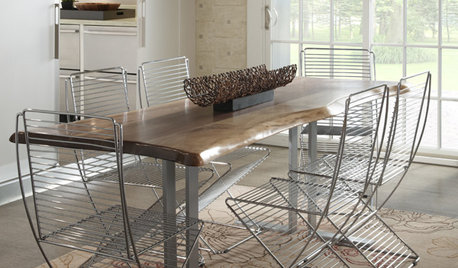
REMODELING GUIDESLoving Wood's Live Edge
8 ways to use more of a tree's natural beauty in design
Full Story
MATERIALSWoodipedia: Walnut Wows in Traditional and Modern Settings
With its rich color and lustrous polished finish, walnut is a favorite wood for all kinds of millwork
Full Story
LIVING ROOMSBelow My Houzz: An Inviting Basement With Industrial Edge
Reconfiguring a cramped, damp basement opens up a new world of sleek, functional spaces
Full Story
HOUZZ TOURSHouzz Tour: A Prewar Brooklyn Home Gains a Modern Edge
With geometrical cabinets, brass accents and a live edge here and there, an older home makes a presence in the present
Full Story
LANDSCAPE DESIGNLiving on the Edge of the Wild
When Mother Nature is your neighbor, the possibilities — and responsibilities — can be that much greater
Full Story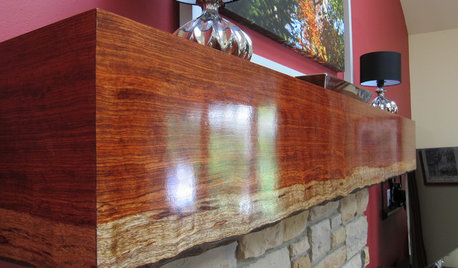
DECORATING GUIDESMantel Makeover: From Builder's Grade to Live-Edge Wood
See how an all-wrong mantel became a gorgeous fireplace focal point at the hands of an interior designer and her carpenter
Full Story
REMODELING GUIDESWhen to Use Engineered Wood Floors
See why an engineered wood floor could be your best choice (and no one will know but you)
Full Story
rwiegand
klem1
Related Professionals
Enfield Cabinets & Cabinetry · Chicago Cabinets & Cabinetry · Kalamazoo Cabinets & Cabinetry · Orange County Cabinets & Cabinetry · Pueblo Cabinets & Cabinetry · Lawrence Carpenters · Marinette Carpenters · Greenville Flooring Contractors · Murfreesboro Flooring Contractors · Hartford Flooring Contractors · Duluth Flooring Contractors · Marinette Flooring Contractors · Fresno Flooring Contractors · Oxnard Flooring Contractors · Seattle Flooring ContractorsmabeldingeldineOriginal Author
dan1888
toxcrusadr