Software
Houzz Logo Print
dnooner

Center pups Vriesea

9 years ago
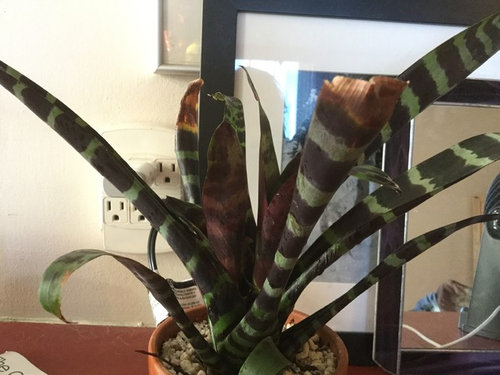
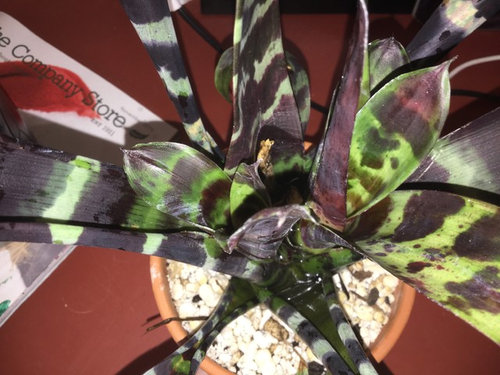
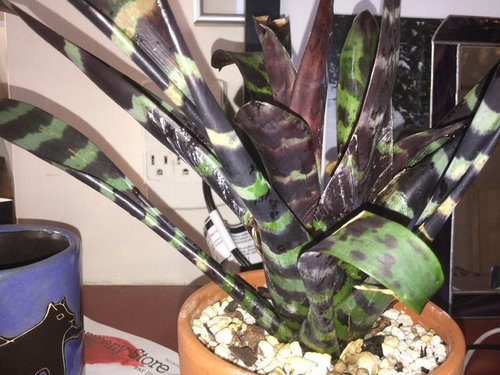
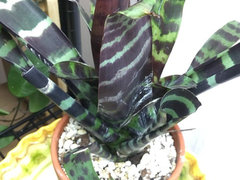
The pups on my Vriesea Splendens are getting big. This is my first Brom and I am planning to let them grow "naturally" and leave them in place and let the mom die back. The other method I have read is cutting them off and planting them. Is there any benefit to that method? Thanks :)

Comments (8)

  • 9 years ago

    Thank you so much Nev. You know your stuff. I will leave the pups alone and let them take over.

  • 9 years ago

    I agree with Nev, and I will also add that this is one of the more difficult bromeliads to keep alive - at least for friends that I have. I have had reasonably good luck with it myself, and I keep the ones I have in a very shady location outdoors and make sure not to overwater them. I haven't been so lucky with getting them to rebloom, but the plants are doing well and should bloom eventually.

  • 9 years ago
    last modified: 9 years ago

    Thanks Lars! Mine came in ok shape. I honestly though it might die but it has grown two pups instead! I keep a bit of water in the center but let the soil dry out in between watering. I have it under bright light.

  • 9 years ago

    One of the problems with this bromeliad is that it is one of the few that is susceptible to pests. Mine will get mealy bugs if I do not clean them off, and none of my other bromeliads will.

  • 9 years ago
    last modified: 9 years ago

    Lars. I have not had mealy bugs yet. Knock on wood. The only problem it seems to have is a white crusty build up on the outside. I have been able to get some of the crust off by spraying with plant spray and gently scrubbing it off the leaves.

  • 9 years ago

    Hi everyone.

    Lars - I've also found that
    Billbergia 'Foster's Striate' is another plant that seems to attract Mealy Bug
    and White Scale, (at least here where I live anyway).

    My collection seems to be free of Mealy Bug and White Scale now so I don't grow this plant anymore. It was
    handy for a while, because I could use it to my advantage; as this
    plant was always the first to be attacked by these pests, it could be used as
    an indicator that there was a pending possible problem with these pests within
    my collection. This prompted me to look more closely at my other plants and
    take immediate action if necessary.

    The other thing to be aware of
    is that if your plant is being grown a little on the dry side which sometimes
    happens inside the house, (this can be
    indicated by the outside of the leaves curving slightly upward)
    your plant
    be invaded by Root Mealy Bug, which as the name suggests attack the roots of
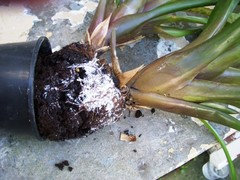
    the plant and aren't visible until the plant is removed from the pot. To do this
    simply invert the plant and with one hand over the potting mix to stop it
    breaking away from the main root ball, give the rim of the pot a slight bump and
    ease the pot away from the plant. The whole plant, roots and potting mix should
    slip from the pot and can then be inspected.

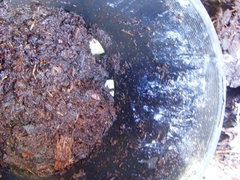
    Root Mealy Bug can easily be seen if they are present as they congregate in the areas of the mix which dry out the quickest, such as just beneath the surface and around the perimeter of the potting mix where it touches the inside of the pot.

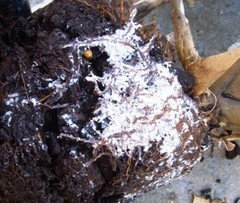
    The first sign is a white type
    of fine web between the outer extremities of the roots and the inside surface
    of the pot. On closer inspection between the roots, tiny Mealy Bug can
    sometimes be seen although they are much smaller than the other type of Mealy Bug
    usually seen on the plant itself above the surface of the potting mix..

    If they are found, I usually
    immerse the whole plant (pot and all) in a good systemic insecticide and leave
    for a few hours. I then move the plant away from other plants and repeat the
    treatment again in 7-10 days. A week later I inspect the plant again for any
    signs of live Mealy Bug and if none are found I de-pot the plant, remove all of
    the old potting mix with a good jet of water from the hose, and then re-pot the
    plant in a new pot with fresh potting mix.

    Let me say here that I’m not
    in favour of spraying “heavy duty” insecticides; because beside the problem insects,
    useful ones are always unnecessarily killed as well (the main ones being bees). You only need the slightest movement of
    air for the spray to drift into other areas it’s not needed and over which you
    have no control. This is the main reason I prefer to immerse the whole plant and not just spray it.

    Immersion gives you a more complete coverage of all areas of the
    plant and you aren’t spraying insecticides which can drift away from the plant
    being treated and kill friendly insects. (Some
    insecticides contain active ingredients which are known to be harmful to bees
    and are thought to be the reason for many large bee populations throughout
    Europe being completely wiped out).

    There are safe insecticides but unfortunately they
    don’t all kill the insects you want to kill, so you need to talk to your local
    horticulturalist and find out what’s the safest one to use on Mealy Bug, and no
    matter what you use, remember it’s safer and more effective to immerse than spray.

    Remember I’m talking about
    just one or two plants here and not whole collections where immersion wouldn’t
    be an option and spraying becomes necessary. The old rule of “prevention is
    better than cure” applies to plants as well as anything else and if a large collection
    is kept clean and not overcrowded with good air circulation between plants, invasion of these pets can be avoided, so in
    the end, it all gets back to “Good House Keeping”.

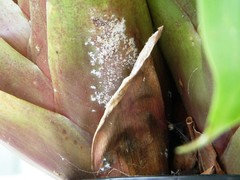
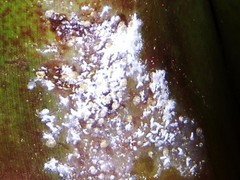
    For growers who haven't previously seen these insect pests, the following pic's may help in identification.

    Root Mealy Bug

    Root Mealy Bug close-up showing web-like material

    Tell tale signs on inside surface of the pot

    White Scale and the larger Mealy Bug beneath dead husk on plant

    The same area in close-up showing the white surface Mealy Bug which are much larger than the Root Mealy Bug as well as the round grey coloured soft scale.

    All the best, Nev.


  • 9 years ago

    Thanks for the info Splinter! I started to check the roots and chickened out. Ha I'm not in the mood to get the soil every where. The roots seem strong. I also trimmed the mother plant so it looks better than it did.

Sponsored