

what is the best method for Copper Backsplash Install?
9 years ago
last modified: 9 years ago
Featured Answer
Sort by:Oldest
Comments (11)
 PRO9 years ago
 9 years ago
Related Professionals
Elizabethtown Kitchen & Bathroom Designers · Portsmouth Kitchen & Bathroom Designers · Nashville Kitchen & Bathroom Designers · Beaumont Kitchen & Bathroom Designers · Torrington Kitchen & Bathroom Designers · Myrtle Beach Kitchen Remodelers · Houston Kitchen Remodelers · Newport News Kitchen Remodelers · Buffalo Kitchen Remodelers · Allentown Kitchen Remodelers · Santa Fe Kitchen Remodelers · Westminster Custom Countertops · Yuba City Custom Countertops · Kalispell Custom Countertops · Magog Custom Countertops 9 years ago
- 9 years agolast modified: 9 years ago
- 9 years ago
- 9 years agolast modified: 9 years ago
- 9 years ago
 PRO9 years ago
- 9 years ago
 PRO9 years ago

Related Stories
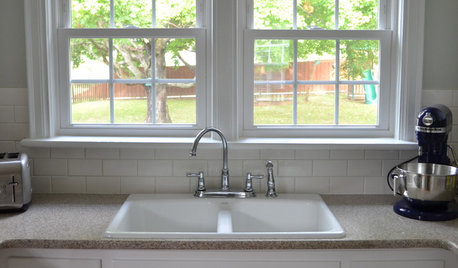
KITCHEN BACKSPLASHESHow to Install a Tile Backsplash
If you've got a steady hand, a few easy-to-find supplies and patience, you can install a tile backsplash in a kitchen or bathroom
Full Story
KITCHEN DESIGNHow to Choose the Best Sink Type for Your Kitchen
Drop-in, undermount, integral or apron-front — a design pro lays out your sink options
Full Story
MATERIALSThe Most Popular Roofing Material is Affordable and Easy to Install
Asphalt shingles, the most widely used roof material in the U.S. are reliable and efficient, and may be right for you
Full Story
FENCES AND GATESHow to Install a Wood Fence
Gain privacy and separate areas with one of the most economical fencing choices: stained, painted or untreated wood
Full Story
BATHROOM DESIGNShould You Install a Urinal at Home?
Wall-mounted pit stops are handy in more than just man caves — and they can look better than you might think
Full Story
KITCHEN COUNTERTOPSWalk Through a Granite Countertop Installation — Showroom to Finish
Learn exactly what to expect during a granite installation and how to maximize your investment
Full Story
CONTRACTOR TIPSContractor Tips: Countertop Installation from Start to Finish
From counter templates to ongoing care, a professional contractor shares what you need to know
Full Story
KITCHEN DESIGNHow to Add a Kitchen Backsplash
Great project: Install glass, tile or another decorative material for a gorgeous and protective backsplash
Full Story
KITCHEN DESIGN10 Gorgeous Backsplash Alternatives to Subway Tile
Artistic installations, back-painted glass and pivoting windows prove there are backsplash possibilities beyond the platform
Full Story
KITCHEN DESIGNSurprise Contender: Copper for Kitchen Countertops
Unexpected and full of character, copper is getting buffed for its growing appearance on the countertop scene
Full Story


Joseph Corlett, LLC