

Root damage question: How far should stone fruit be from structures?
9 years ago
Featured Answer
Sort by:Oldest
Comments (8)
 9 years ago
Related Professionals
Tampa Landscape Architects & Landscape Designers · Brunswick Landscape Architects & Landscape Designers · Longview Landscape Architects & Landscape Designers · San Jose Landscape Architects & Landscape Designers · Palm Bay Landscape Contractors · Oklahoma City Landscape Contractors · Knoxville Landscape Contractors · New York City Landscape Contractors · Saint Marys Landscape Contractors · Santa Maria Landscape Contractors · Ontario Landscape Contractors · Great Bend Home Additions · Grand Forks Home Additions · Pierre Home Additions · Kennewick Home Additions 9 years ago
- 9 years ago
- 9 years ago
 5 years ago
 4 years ago
- 4 years ago
Related Stories
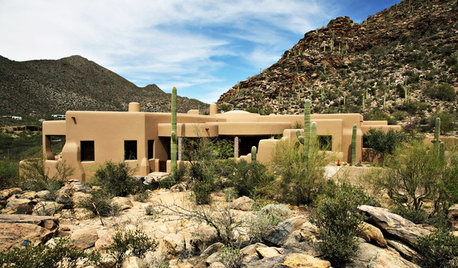
TRADITIONAL ARCHITECTURERoots of Style: Pueblo Revival Architecture Welcomes Modern Life
Centuries-old details of adobe construction still appeal in the desert Southwest, adapted to today's tastes
Full Story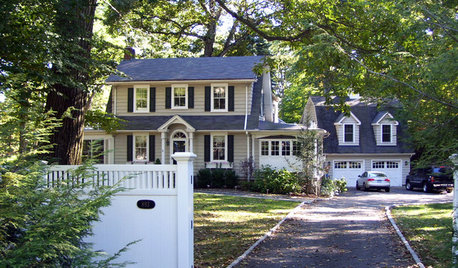
TRADITIONAL ARCHITECTURERoots of Style: Dutch Colonial Homes Settle on the Gambrel Roof
Colonists from the Netherlands brought the gambrel roof and other quaint details. Has your home adapted any of these features?
Full Story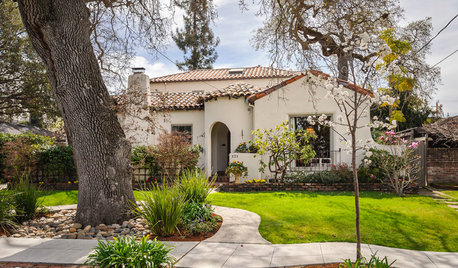
ARCHITECTURERoots of Style: Spanish Eclectic Homes Find a Place in the Sun
Flexible stucco, intricate tiles and more have kept this multicultural style going strong for a century
Full Story
GREEN BUILDINGConsidering Concrete Floors? 3 Green-Minded Questions to Ask
Learn what’s in your concrete and about sustainability to make a healthy choice for your home and the earth
Full Story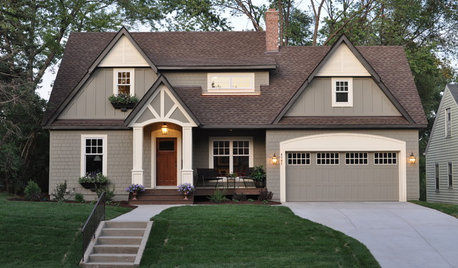
ARCHITECTURERoots of Style: Where Did Your House Get Its Look?
Explore the role of architectural fashions in current designs through 5 home styles that bridge past and present
Full Story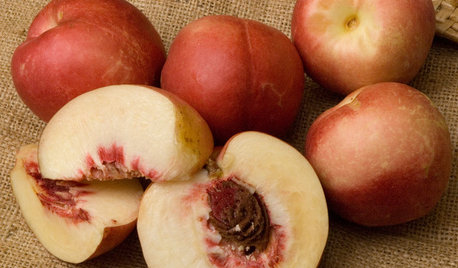
EDIBLE GARDENSGrow Plum Hybrids for Your Favorite Fruit Flavors
Plums are cozying up with apricots, peaches and even cherries — here’s how to grow these hybrids for the best aspects of each
Full Story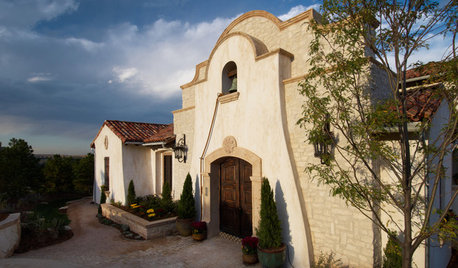
ARCHITECTURERoots of Style: Mission
Spanish colonial missions inspired a style of architecture still popular in the United States
Full Story
FARM YOUR YARDIf You Have Room for Only One Fruit Tree ...
Juice up a small garden with one of these easier-care or worth-the-effort fruit trees for a mild climate
Full Story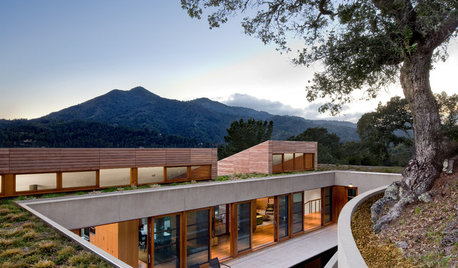
MODERN ARCHITECTUREVisit a California Hillside House Rooted in Nature
Walls of windows open to stunning mountain and bay views on one side and a serene pool courtyard on the other
Full Story
GARDENING AND LANDSCAPING19 Spectacular Pools Near and Far
These incredible infinity pools, heavenly oceanside pools and luxurious lap pools around the world have unmatched allure. Take a dip
Full Story

Kevin Reilly