

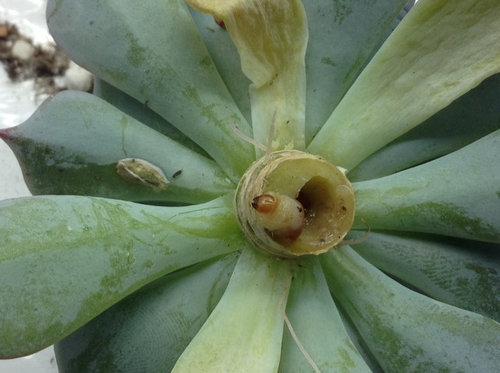
Unexpected find
9 years ago
Featured Answer
Sort by:Oldest
Comments (9)
Related Professionals
Davenport Landscape Architects & Landscape Designers · Beatrice Landscape Architects & Landscape Designers · Elmira Landscape Architects & Landscape Designers · Toledo Landscape Architects & Landscape Designers · Scranton Landscape Architects & Landscape Designers · Burlington Landscape Architects & Landscape Designers · Oxford Landscape Contractors · Fort Wayne Landscape Contractors · Billings Landscape Contractors · Marietta General Contractors · New Bedford General Contractors · North Adams General Contractors · Sioux Falls General Contractors · Coos Bay General Contractors · Kahului General Contractors 9 years agolast modified: 9 years ago
- 9 years ago
 9 years ago
- 9 years ago
 9 years ago
Related Stories
SHOP HOUZZShop Houzz: Unexpected Bathroom Accents
Turn heads with an arresting wallpaper, a dazzling chandelier or a floral arrangement that sets your bath apart
Full Story0

PLANTING IDEASPlant Your Hardscape for Unexpected Green
Nestle greenery among pavers, steps and more for a yard brimming with life and creativity
Full Story
MOST POPULARThe Unexpected Color That Goes With Everything
Move over, beige. Green is staking its claim as the freshest neutral around
Full Story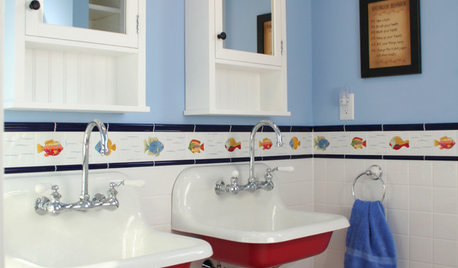
COLOR7 Unexpected Color Splashes for Bathroom Sinks
Make over your sink with paint for a new look that’s playful, sophisticated or wonderfully soothing
Full Story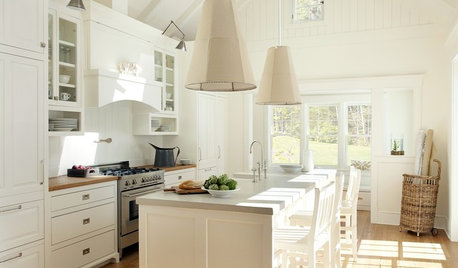
KITCHEN DESIGNDouble Take: Unexpected Kitchen Lights
Big, fancy or one-of-a-kind pendant lights take kitchens way past cooking stations
Full Story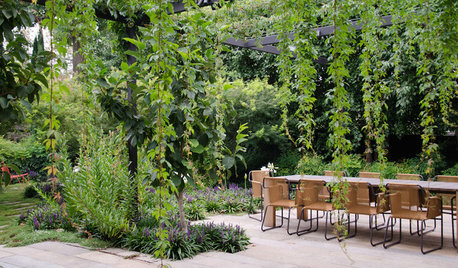
LANDSCAPE DESIGNSee 5 Unexpected Ways to Use Vines
Vines can grow over slopes, trail off pergolas and add seasonal color to the garden
Full Story
FIREPLACES10 Unexpected Ways to Style a Gorgeous Fall Mantel
Been there, done that with the pumpkins and corncobs? Try these wonderfully fresh ideas for a beautifully decorated mantel this autumn
Full Story
KITCHEN DESIGNKitchen of the Week: Curves in Unexpected Places
An awkward space is transformed into a stylishly quirky, sociable kitchen, thanks to inventive design and quality craftsmanship
Full Story
Mirrors Make an Unexpected Appearance in the Kitchen
A reflective surface can lighten up and open up your cooking and dining area
Full Story




Plantspace (5a)