Software
Houzz Logo Print
bethohio3

Refinishing advice

9 years ago
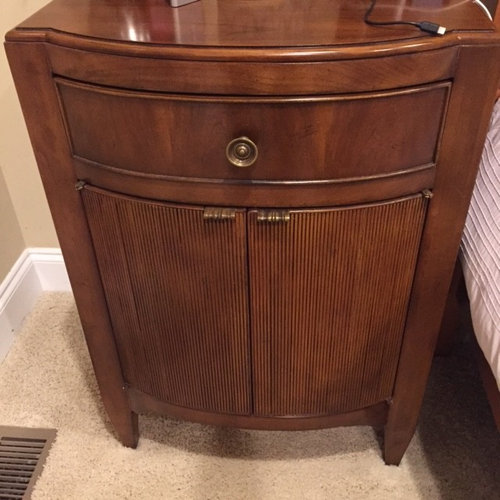
I have several piece of furniture (one alder, one golden oak, and the other I'm not sure of). I'd like to stain them all darker (a rich walnut) to match the furniture in the room I actually like.

I know there are lots of products out there, so I'll confess to this up front: I'm a sloppy painter. I feel more comfortable with a cloth than a brush since I find it easier to stop drips and such, but I'd like to limit the work involved, since these pieces will probably be replaced within a few years.

What advice can you give me?

Thanks!

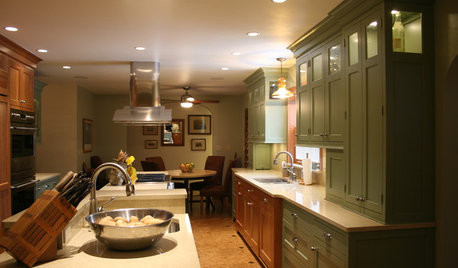
This is the one I love and won't be changing at all:

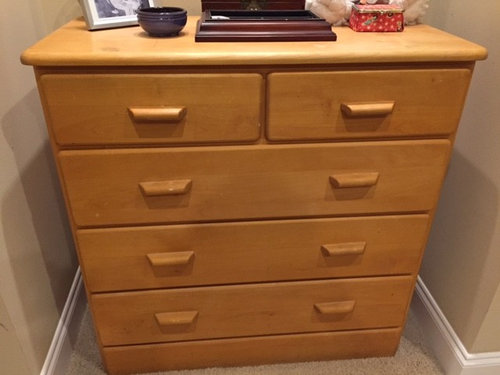
The dresser (this would be my experimental piece):

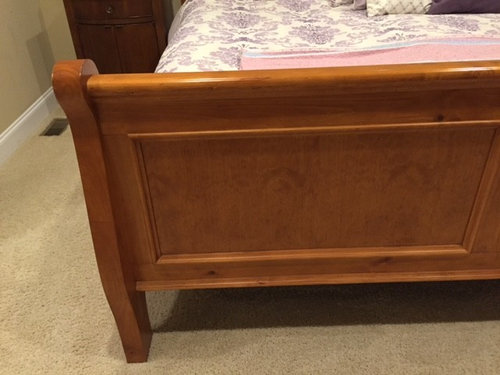
The bed (which we'll keep if I can get the color right)

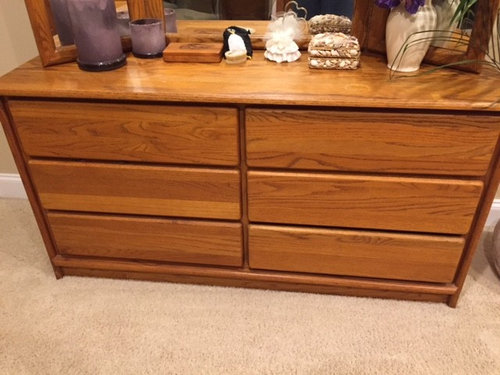
The oak dresser which I'll only refinish if I'm sure it'll look good, since if it works, I'll have to do two other pieces :-)

Comments (7)

  • 9 years ago

    Thanks, Bob--I've requested his book from the library.

    What product line(s) do you recommend? I know one gets what one pays for--so what should I plan on paying for?


  • 9 years ago

    It's good you are sloppy, because what you want to do is really sloppy, especially the chemical stripping.

    First, darkening an original color is easier than any other change. But, you have to get all the old finish off for the new stain/dye to work.

    Go to a dedicated woodworking store)WoodCraft is a national chain) and ask if there is a staff member versed in staining or dying. When I began finding difficult changes (in my business), I found a young fella at the local WoodCraft store who actually sat down with me and we tried different stains/dyes.

    Transtint dyes and General water based stains are quite good.

    Uncle Bob wrote " Run samples because each product and each wood yields different colors." I hope you enjoy a challenge, because you have picked a good one. You will probably have to test a lot of different recipes of dyes or stains to get each piece to the color/tone/shade you like.

    The other addition is when you add the finish(agree wiping varnish but use a real varnish, NOT a polyurethane based varnish---see a real paint store for that) you will find the result changes.

    Water based finishes are clear, oil based add an amber tint. But, gloss finish looks different than semigloss.

    You can embark on a enjoyable journey if you look at it thus. Many people shudder at attempting that kind of project---since even experienced woodworkers fear finishing.

    Beth thanked User
  • 9 years ago

    > since even experienced woodworkers fear finishing.

    Well, not all. Most of it is caused by misleading names and information from the manufacturers*. A little knowledge makes things more enjoyable. Flexner does a good job dispelling myths in his book. The other difference is woodworking is physics -- you can tell if a board is straight, right dimension, smooth, tight joints, etc. Finishing is chemistry -- you see the product and the results, but the rest is at a molecular level that you need to have some understanding of.


    Oak is generally one of the more forgiving woods to finish, very little tendency to blotch or cause other problems.


    General Finishes makes some good oil-based and water-based stains and finishes. They are not sold at big home centers, but at woodworking specialty stores like Rockler, Woodcraft, and several internet suppliers and specialty lumber stores. They are sometimes sold at "ready to finish" furniture store

    Non-poly varnishes are a bit more difficult to find. The ones I'm aware of are Pratt & Lambert #38, Sherwin-Williams Fast Dry Varnish (polyurethane is not part of the name). I think Cabot has discontinued their line that used to known as McCloskey's Heirloom before being re-branded). Waterlox is a phenolic and much darker than the above. And it's pretty pricey at about $35 a quart. It also tends to gel quickly when left in a partially full can. But I have no problem with use of poly in this application, I just hate to see it used on everything where its attributes are not needed (how much protection do you need for a turned bowl that sits on it shelf all its life?)


    General Finishes Arm-r-Seal is a good poly wiping varnish. I don't know if they still have this on the label, but it used to say "Oil - Urethane Blend" that is quite misleading because that's just the formula for a poly varnish*. It would be like labeling a loaf of bread "Flour and Yeast blend." Both are something else because they've been cooked.


    Let's just say I'm not a fan of Minwax that you can find just about anywhere, including the grocery store. We'll leave it there.


    Beth thanked bobismyuncle
  • 9 years ago

    If you are more comfortable with a cloth than a brush, the "wiping stains" are your friend ... after prepping the surface (strip, lightly sand, etc) you just dampen a rag with mineral spirits and then into the well-mixed stain and wipe on thin coats.

    Use a gel wipe-on topcoat, too.

  • 9 years ago

    I just would like to say that I wouldn't mess with the panels on the bed that look to be burlwood. That is nice the way it is.

  • 9 years ago
    last modified: 9 years ago

    Wood refinishing requires a lot of patience. Strip, clean, stain, poly. Always do stain and poly separate, I don't know why they started trying to sell combos of it but it doesn't work well. I like to finish with a top coat of gloss poly, that gives it the shininess that you show in the first picture and also protects the finish. They have satin and semi gloss poly as well if that is preferred. Gloss gives it that showroom finish that people oooh and aww at though.