Software
Houzz Logo Print
emma_bodker

Sick/Infected Succulent Help!!!

9 years ago
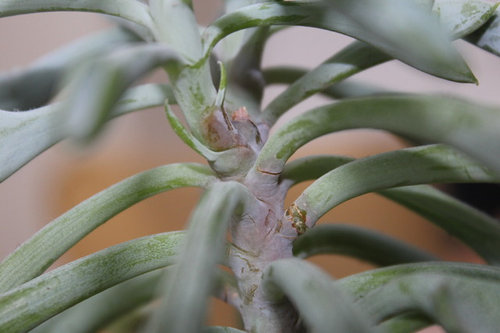
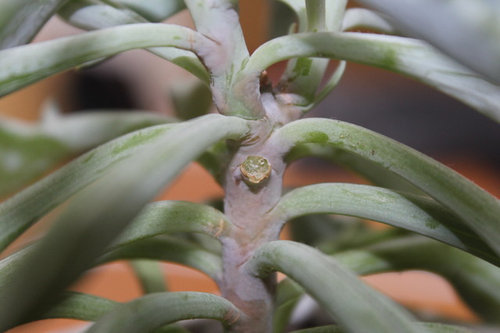
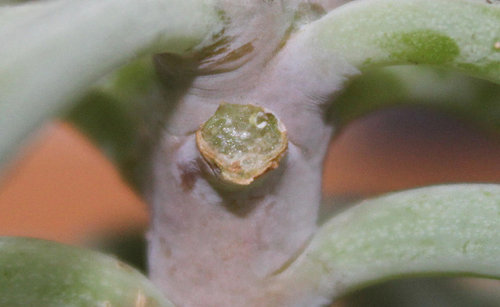
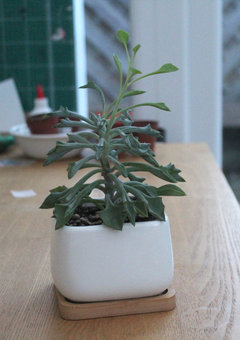
A few weeks ago I started noticing the stem of this Senecio Kleiniiformis turning a purplish colour! I did post but I don't think my photos were clear enough. It's got much worse now! I've noticed big gashes appearing near the bases of the leaves, one of which tore off.

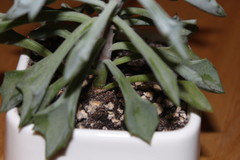
Here's a closeup of where one of the leaves tore off.

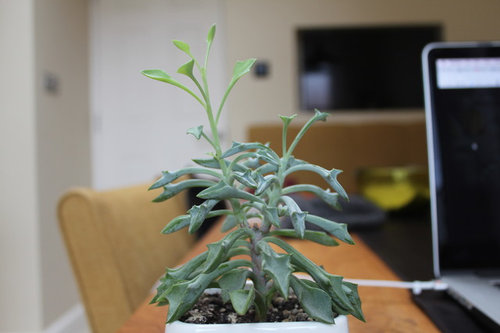
This plant has also grown very suddenly and very quickly! All of that paler growth on the left has appeared within maybe two weeks?

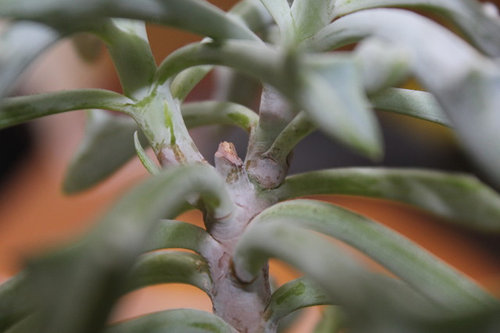
The very base of the stem is still green and doesn't seem to be affected, this large middle section however is looking really rough! It isn't squishy or soft so I don't think it's rotten.

It's planted in a pearlite/cacti soil mix in a pot with good drainage, sits near a window, and has been pretty happy up until this point! I've moved it away from my other plants for now in case it is infected.

What could this be and what can I do to save this plant?

Comments (23)

  • 9 years ago

    Can you take another pic showing the pot? It has a hole, right?

    Is the he 4th pic it's normal spot?

    Emma Bodker thanked socks
  • 9 years ago

    Thank you for the comments! I hope it's just me making a silly mistake with watering, that's better than I thought!

    4th Pic wasn't its normal spot, I moved it to a table to get a better look at it. It has been quite a dark month where I live so I've now moved the plant to a brighter spot for the winter, which will hopefully help.

    I can't get a picture right now but yes this pot has a hole in the bottom with a bamboo tray underneath.

    Lighter spot and I'll not water for a bit until the soil is dry, do you think that will help?

  • 9 years ago

    It may help, all depends if there is any rot or not. It could be waterlogged, or roots may be damaged from sitting in wet soil for too long - it is difficult to tell. Hopefully it didn't start rotting yet, and may recover.

    Maybe socks have some suggestions.

    Emma Bodker thanked rina_Ontario,Canada 5a
  • 9 years ago

    Since you can't share pix now, about your mix. Would you say it's roughly 50/50 mix & perlite or does it look like mostly soil w/a few bits of perlite?

    Unless it's more like 50/50, rot could be the problem, hard to say w/out seeing base of plant & the mix.

    Emma Bodker thanked lmontestella
  • 9 years ago

    Possibly the pot is too large, but not for sure. Width doesn't look too bad, but maybe depth. The most common problem seen here is too much water, soil holding water, so that could be it. Could be a combination of too wet and not enough light. "Sitting near a window" isn't always enough light.

    I'm not in your zone and don't grow succulents inside, but I'd be tempted to repot in a 50/50 mix and make sure it gets all the light possible. Water only when dry.

    My 2 cents.

    Emma Bodker thanked socks
  • 9 years ago

    Thanks for all the comments!

    I managed to find a picture with the pot:

    Also I live in the UK, so it's pretty cold, dark and damp here! I usually cut down on watering this time of year but I probably didn't cut down enough for this one. Fortunately I have a bright conservatory to pop it in for the season.

    It's dark so I couldn't get a great picture of the soil, also pretty hard with all those leaves.

    I think I'm going to take it out of the pot this weekend, check the roots and maybe add some more perlite to the mix. See how that goes!

  • 9 years ago

    Pot size looks fine to me, nice pot, looks handsome together.

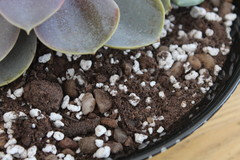
    I know you said it's cactus mix w/ perlite, but do I see some sand?

    I see very fine particles at base of main stem? If so, sand can clog the roots & interfere w/ drainage.

    Since you said you'd unpot it to look this wknd, I suggest you change the mix completely, add new C&S mix w/ 50/50 ratio to Perlite & repot it. If you do find it's sand & want to change the mix, I'd remove all that old mix from the stems, brush them off well while dry, & repot. I use couple of pieces of newspaper in the bottom of the pot to keep the mix in. Good luck.

  • 9 years ago


    Karen, I tried that newspaper trick and felt it really blocked proper drainage. You are much more experienced and knowledgeable than I, but it didn't work for me. I also tried coffee filters and wasn't too pleased with that either. Let's face it, newspaper and coffee filters are easier to come up with than window screen which is recommended.

  • 9 years ago
    last modified: 9 years ago

    socks

    I use only fiberglass bug screen for exactly same reason. I was using a piece of torn screen that had to be replaced from sliding doors; received a piece from someone very generous on this forum, and also found some in restore - leftovers on rolls, together probably 25-30', for under $10. There was gray and black, never used. I am all for recycling :) I usually cut out pieces to fit bottom of the pot, round or square.

    I know some are using plastic canvas from art/craft stores; but it is probably more $ and little thicker (that should not be a problem).

    I have also used drywall tape (comes in rolls), mostly if there is a drainage hole in the center of the pot & just small piece is needed:

  • 9 years ago
    last modified: 9 years ago

    Socks,

    Don't know why it don't work for you, how thick you did it, I just use 1-2 layers, trace the pot onto the paper, cut to fit. It's always worked for me, don't recall where I learned it.

    I know some folks use screen, I find it in repotting things from time to time. I didn't use to mind, but I recently found some window screen buried deep in the rootball of something or other. A large Anthurium or a Spath, I forget but I really struggled & basically had to cut it out from the rootball, not so nice.

    I'd avoid coffee filters or paper towels as they're made to be absorbent, newspaper less so.

  • 9 years ago
    last modified: 9 years ago

    Karen

    Screen should not 'travel' so close to rootball - IMO, it doesn't move from the bottom of the pot. What is often found, is mesh/net from jiffy pellets (peat compressed into a flat disk) that are used for cutting-started plants, or seeding. I know that growers pot up the whole thing into bigger pots as plants grow, leaving screen/mesh there. This is supposedly to disintegrate, but it must take a long time, if ever. I have found some in compost heap where annuals were thrown out, even after more than a year. I have ripped off pieces of this mesh at times when repotting.

  • 9 years ago

    Guess I am still living in the dark ages but when did people stop using pieces of broken pots to cover the holes?

  • 9 years ago

    With succulents, 2"-4.5" pots are very common, so broken pot pieces take up too much root space. With gritty mixes they tend to fall out with pot chunks too.

    Window screen often results in a bit of hassle when repotting. But with a good mix the damage is negligible. I use pointy snips for cutting the screen away or just break off the roots.

    It's reusable, mess free, and not terribly expensive either.

  • 9 years ago

    Also, for succulent nursery pots, there are a LOT of holes, distributed all around the bottom, so I suppose It would be quite a hassle to get them all covered (evenly and without gaps for substrate to escape) with potsherds.

    I used to use screen, but you can't get that except in huge rolls, which I do not need. When I do some Spring repotting, I am going to try out the fiberglass drywall tape.

  • 9 years ago
    last modified: 9 years ago

    Kevin is right, if the roots grow well, they will grow into screen. But it is very small damage. It is much worse with tomatoes! - when I pot up seedlings into gritty, the roots grow like crazy. Plant doesn't suffer if roots are broken, tomatoes are very vigorous.

    palms

    that's why I got it in reStore. If you have any stores like that in your area, may be worth checking up. Also Salvation army and similar stores. Ppl donate leftovers, and not much is needed for pots. Drywall tape is available wider too (6"). One side is sticky, but not much. If you see stucco being put on the house, ask for scraps - they use 4' wide mesh. I asked once, they gave me little more than 1/3rd of the roll...

  • 9 years ago

    I put nothing over the hole and don't have a problem with soil running out the bottom. Well, maybe slightly at first, but eventually all the components get to know each other, and no one is going anywhere.

  • 9 years ago
    last modified: 9 years ago

    socks

    I use grit, perlite & turface, and they will fall out since they are smaller than holes. There is no soil in my mix, so nothing to help keeping them together. Taking plant out of the pot, all just falls apart nicely since nothing is compacted or stuck together. If using soil, I think it may hold together somehow, especially when moist.

  • 9 years ago

    I'm sure you're right, rina. I use a mix prepared by a local cactus/succulent grower or I use a C/S mix (no peat in it) with 50% perlite. I can probably get away with a more water retentive soil than many because it's dry in my zone, low humidity, sunny most days. Although I have plastic pots, I do favor clay.

  • 9 years ago

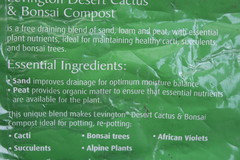
    I may have found the culprit! My soil mix seems to have quite a lot of sand in it.

    Any recommendations on what to look out for in a good soil mix?

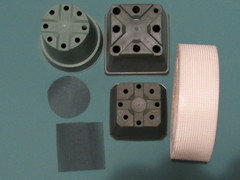
    I've been using these little bits of mesh to cover the holes at the bottoms of my pots.

    Thank you for all the info so far everybody!

  • 9 years ago

    Well, good detective work, thx for letting us know. Could be the sand is not helping.

    I see you're in the UK, so sorry, I can't suggest mixes for you. Maybe if that's all you've got, consider sifting it to remove the finest particles, I don't know. Might be a big hassle, if the mix is moist, maybe not even worth trying.

    Hopefully other will have better suggestions, sorry.

    Emma Bodker thanked Karen S. (7b, NYC)
  • 9 years ago
    last modified: 9 years ago

    Hi Emma

    There is nothing wrong with sand in succulent substrate providing its the right type of sand. I'm also in U.K. and use a product called Grit sand or Sharp sand in my substrate. This type of sand has very coarse grains and improves drainage. Don't use builders sand which is fine grain and doesn't improve drainage - makes it worse. If I were you I would avoid so-called specialist pre-mixed composts like you have shown and make your own - the manufacturers just use cheap ingredients (naturally) - the culprit in that compost is peat! I use a John Innes mix (which is peat free) mixed 50:50 with grit sand to give a nice free draining substrate. I'm not a fan of perlite but that's just personal preference and it seems to work fine for people who use it.

    Good luck

    Andrew

    Emma Bodker thanked Andrew (UK south coast, like 9a)
  • 9 years ago

    Update!

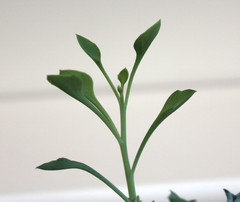
    The latest new growth isn't looking quite as etiolated so hopefully it's happier in its new position!

    I've made up a new soil mix using: John Innes no.2 (contains far less peat than my previous one, more loam, no sand and quite a bit of grit), a good amount of horticultural grit and perlite! Just wanted to check that this looked like a good mix before I repot the above Senecio in this stuff!

    What do you think?