

joint compound product
9 years ago
Featured Answer
Sort by:Oldest
Comments (12)
 9 years ago
 9 years agolast modified: 9 years ago
Related Professionals
Manhattan Home Remodeling · Bowling Green Home Remodeling · Vicksburg Home Remodeling · Plattsburgh Home Remodeling · Lima Home Remodeling · Burlington Home Remodeling · Napa Home Remodeling · San Francisco Home Remodeling · Colorado Springs Home Remodeling · Lafayette Kitchen Remodelers · Cherry Hill Kitchen Remodelers · Mission Viejo Kitchen Remodelers · Modesto Kitchen Remodelers · Springfield Bathroom Remodelers · Green Bay Bathroom Remodelers- 9 years agolast modified: 9 years ago
 9 years ago
- 9 years ago
- 9 years ago
- 9 years ago
- 9 years agolast modified: 9 years ago
 PRO9 years ago
- 9 years ago
- 9 years ago

Related Stories

MOST POPULAR6 Kitchen Flooring Materials to Boost Your Cooking Comfort
Give your joints a break while you're standing at the stove, with these resilient and beautiful materials for kitchen floors
Full Story
SHOP HOUZZHouzz Products: Instant Storage for the Kids' Stuff
Neatness and creativity go hand in hand when you set up a kids’ playspace with colorful storage units and toys from Houzz
Full Story
GARDENING AND LANDSCAPINGPatio Pavers Go Green in Between
Kind to the environment and easy on the eyes, pavers with moss or other foliage in the joints create a charming permeable hardscape
Full Story
DECORATING GUIDESDiscover the Unstoppable Advantages of Cork for the Home
Look beyond wine stoppers to see cork's ecofriendliness, durability, fire resistance and antimicrobial nature for all kinds of home products
Full Story
TASTEMAKERSSneak Peek: 10 Visionary Designs That Could Be Coming Your Way
Trust the next generation of designers to think ahead — these promising products from the imm Cologne trade fair take innovation to heart
Full Story
TASTEMAKERSICFF 2012 Report: 10 Visionary Problem Solvers
Sure, pretty is nice, but the best designs improve our lives. These innovative products by students and companies do just that
Full Story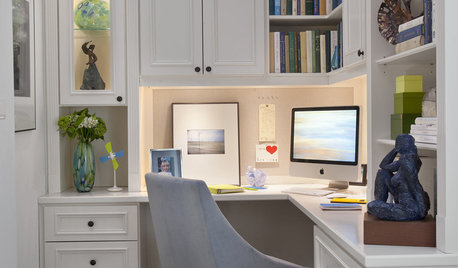
HOME OFFICESReaders' Choice: The 10 Most Popular Home Offices of 2012
Small-business owners, telecommuters and those just looking to be productive noted the hardworking features of these offices on Houzz
Full Story
DECORATING GUIDES'Mad Men' Style: Peggy Olson's Office Grows Up
Peggy zoomed from secretary to star copywriter at the famed fictional ad agency. These product picks give her a chic office to match
Full Story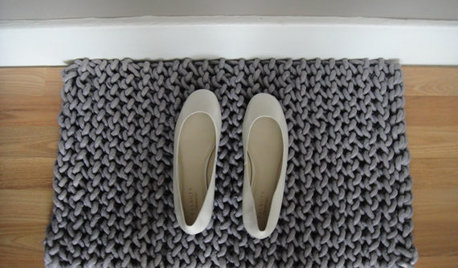
PRODUCT PICKSGuest Picks: Accessories for a Tiny Entryway
Even a barely there entryway can look neat and polished with the right doormats, shelving, storage and artwork
Full Story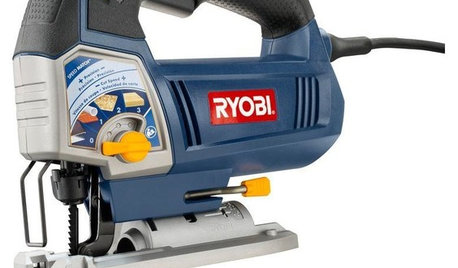
PRODUCT PICKSGuest Picks: Indispensable Tools for DIYers
Build your tool arsenal with these, and you’ll have the right equipment for any home project you take on
Full Story





greg_2015