

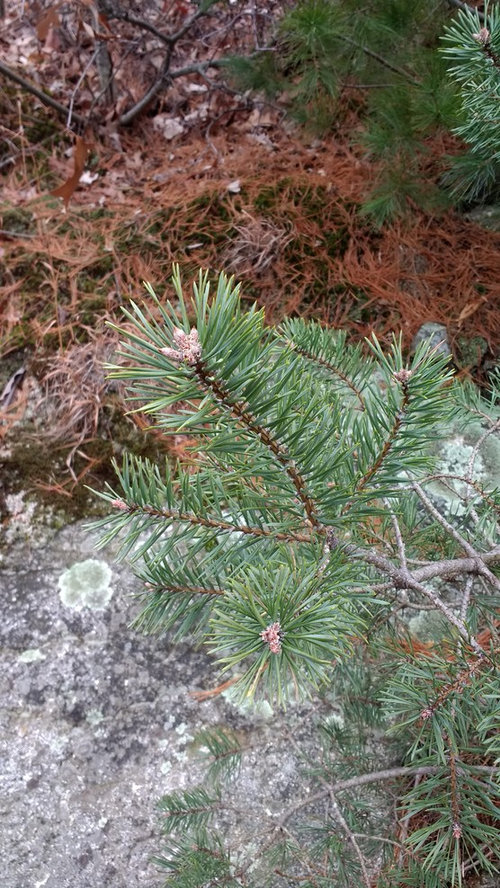
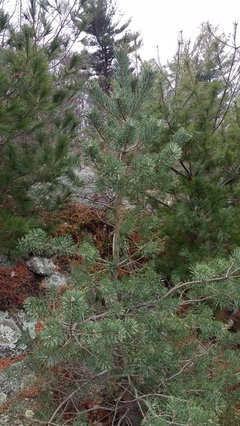
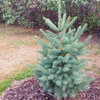
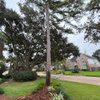
Species ID?
9 years ago
last modified: 9 years ago
Featured Answer
Sort by:Oldest
Comments (14)
Related Professionals
Baltimore Landscape Architects & Landscape Designers · Murfreesboro Landscape Architects & Landscape Designers · Binghamton Landscape Architects & Landscape Designers · Canton Landscape Architects & Landscape Designers · Sanford Landscape Architects & Landscape Designers · Crestview Landscape Contractors · Fort Dodge Landscape Contractors · Springfield Landscape Contractors · Poughkeepsie Landscape Contractors · Chula Vista Landscape Contractors · Mission Viejo Landscape Contractors · Frederick Home Builders · McAlester Home Builders · Chillicothe Home Builders · Potsdam Home Builders 9 years ago
- 9 years ago
- 9 years ago
- 9 years ago
 9 years ago
- 9 years ago
- 9 years ago
- 9 years ago
 9 years agolast modified: 9 years ago
- 9 years ago
- 9 years ago
- 9 years ago
Related Stories
FLOWERSRudbeckia Mania: Go Beyond Black-Eyed Susan in the Garden
Branch out from typical nursery fare, with lesser-known Rudbeckia species that have delightfully unexpected features
Full Story
FLOWERSGet Coneflower Blooms All Summer Long
Plant these 5 native species to bring beauty to the garden — and pollen to the insects — from June through August
Full Story
EARTH DAY‘Terroir’ Brings a Sense of Place to Your Landscape
Species native to and characteristic of your region firmly root your garden and landscape
Full Story
GARDENING GUIDESGreat Design Plant: Dicentra Eximia Brightens Shady Gardens
This North American bleeding heart species blooms from spring to fall and welcomes bees and hummingbirds
Full Story
WINTER GARDENINGHow to Help Your Trees Weather a Storm
Seeing trees safely through winter storms means choosing the right species, siting them carefully and paying attention during the tempests
Full Story
FALL GARDENINGWhat Monarch Butterflies Taught Me About Garden Design
Thinking like a butterfly leads to fresh perspectives in the garden and in life
Full Story
GARDENING GUIDES4 Elements of a Stunning Fall Garden
Late summer is a good time to look beyond trees to create an autumn landscape that draws the eye and stirs the soul
Full Story
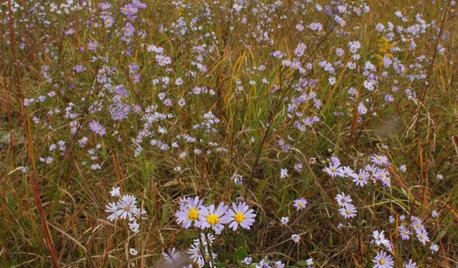
GARDENING GUIDES15 Native Flowers That Feed Native Bees
These perennials offer superfood to hundreds of bees and are gorgeous in their own right
Full Story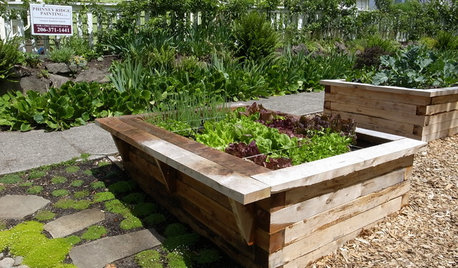
FARM YOUR YARDHow to Build a Raised Bed for Your Veggies and Plants
Whether you’re farming your parking strip or beautifying your backyard, a planting box you make yourself can come in mighty handy
Full Story
Garen Rees