

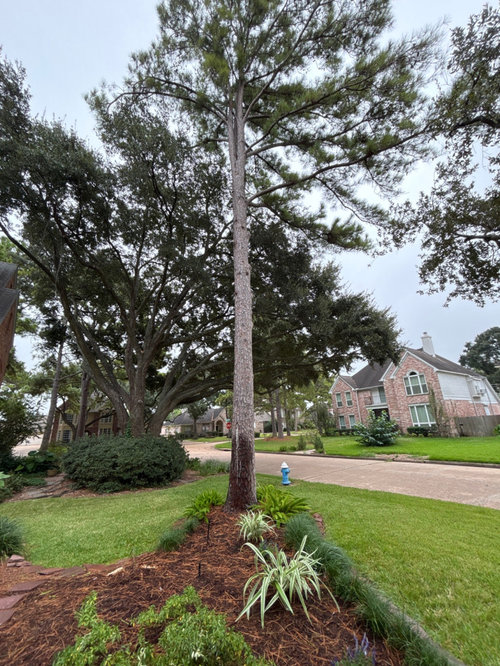
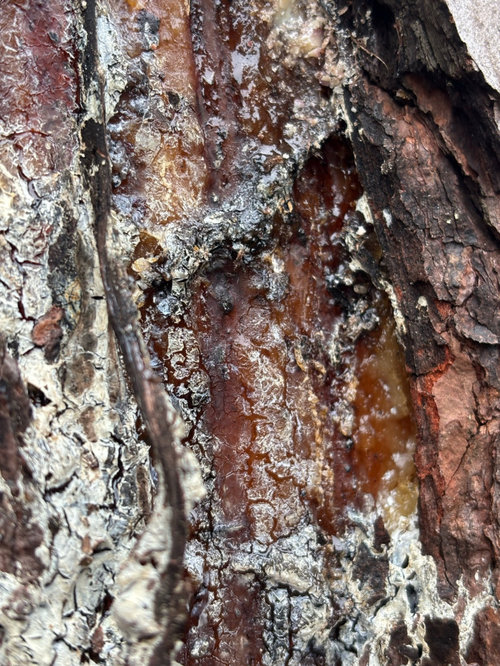
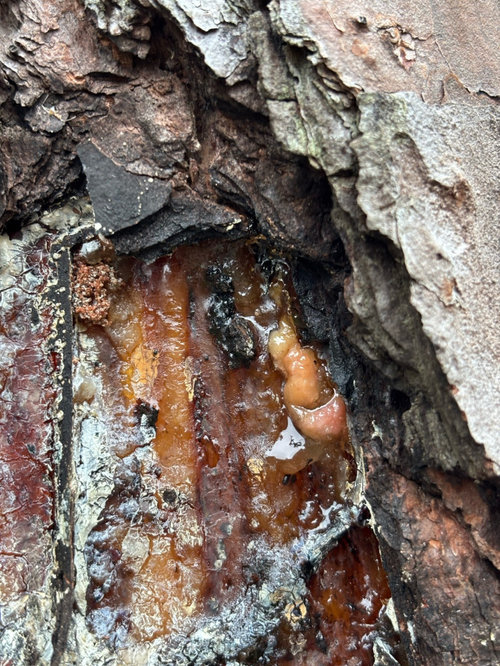
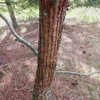
pine tree help please!
last month
Sort by:Oldest
Comments (9)

Related Stories
WINTER GARDENINGHow to Help Your Trees Weather a Storm
Seeing trees safely through winter storms means choosing the right species, siting them carefully and paying attention during the tempests
Full Story
GARDENING GUIDESTree Care: Common Tree Diseases and What to Do About Them
Learn to recognize trees that may be affected by diseases or pests so you can quickly take action
Full Story
HOLIDAYSHouzz Call: Show Us Your Christmas Tree!
We’d love to see how you make your tree your own. Please show us your best photo and tell us about your traditions
Full Story
CHRISTMASReal vs. Fake: How to Choose the Right Christmas Tree
Pitting flexibility and ease against cost and the environment can leave anyone flummoxed. This Christmas tree breakdown can help
Full Story
HOUZZ CALLShow Us Your Christmas Tree!
We want to see your holiday tree all dressed up for the season! Please show us your best photo and tell us all about it
Full Story
GARDENING GUIDESHow to Keep Your Citrus Trees Well Fed and Healthy
Ripe for some citrus fertilizer know-how? This mini guide will help your lemon, orange and grapefruit trees flourish
Full Story
GARDENING GUIDESGreat Design Plant: Ceanothus Pleases With Nectar and Fragrant Blooms
West Coast natives: The blue flowers of drought-tolerant ceanothus draw the eye and help support local wildlife too
Full Story
GARDENING 101Key Pruning Terms to Help You Shape Up Your Garden
Learn why heading back, crown raising and other practices are essential for your plants’ health and beauty
Full Story
HOLIDAYSHouzz Call: Show Off Your Christmas Tree!
Please post your photos and share your favorite tree-trimming traditions and stories
Full Story
CHRISTMASHouzz Call: Show Us Your Christmas Tree
Please share your favorite tree-trimming traditions and post pictures of your tree and holiday decor
Full Story

bengz6westmd
L.D. JohnsonOriginal Author
Related Professionals
Winston-Salem Landscape Architects & Landscape Designers · Vidalia Kitchen Remodelers · Fergus Falls Kitchen Remodelers · Vineland Landscape Architects & Landscape Designers · Augusta Landscape Architects & Landscape Designers · Lansing Landscape Architects & Landscape Designers · Las Cruces Landscape Architects & Landscape Designers · Panama City Landscape Contractors · Vicksburg Home Additions · Providence Home Additions · Elizabeth City Landscape Architects & Landscape Designers · San Jose Landscape Contractors · Vancouver Landscape Contractors · Knoxville Home Builders · Del Rio Home BuildersBillMN-z4a
L.D. JohnsonOriginal Author
BillMN-z4a
bengz6westmd
L.D. JohnsonOriginal Author
Peoria Tree Removal Co.
L.D. JohnsonOriginal Author