

Yard Reclamation Next Steps
9 years ago
Sort by:Oldest
Comments (8)
Related Stories
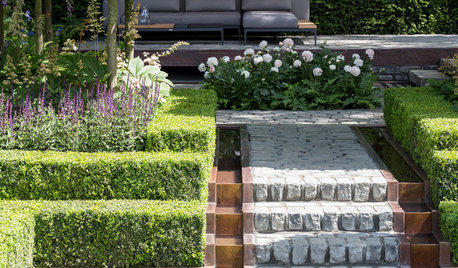
LANDSCAPE DESIGNGarden Steps Can Take Your Landscape to a New Place
The design of your outdoor stairs — including materials, dimensions and placement — helps set the mood in your yard
Full Story
GARDENING GUIDES6 Steps to Get a Garden Off to a Glowing Start
Grow a lush, balanced garden from an empty patch of yard or neglected landscape spot with these easy-to-follow guidelines
Full Story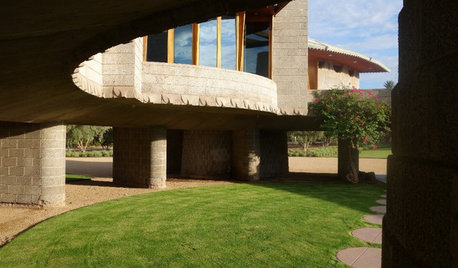
FRANK LLOYD WRIGHTStep Inside a Frank Lloyd Wright House Saved From Demolition
The historic Phoenix property is now part of the architect’s school at Taliesin, where it will be used as a design lab
Full Story
LIVING ROOMS15 Decorating Moves to Take Your Living Room to the Next Level
These tricks with furniture, lighting, color and accessories go a long way toward making a space fashionable and comfortable
Full Story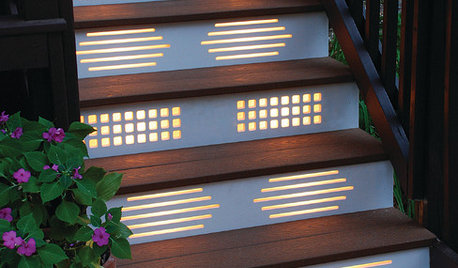
GARDENING AND LANDSCAPINGNo Fall Guys, Please: Ideas for Lighting Your Outdoor Steps
Safety and beauty go hand in hand when you light landscape stairways and steps with just the right mix
Full Story
LANDSCAPE DESIGNEnhance Your Garden Journey With Natural Stone Steps
Consider these 13 ideas for natural stone steps that will help you slow down and enjoy your surroundings
Full Story
ORGANIZINGSmall Steps to Organizing Success
Take care of bite-size projects, and your home's big picture will be an organized dream before you know it
Full Story
REMODELING GUIDESSo You Want to Build: 7 Steps to Creating a New Home
Get the house you envision — and even enjoy the process — by following this architect's guide to building a new home
Full Story
GARDENING GUIDES6 Steps to Creating Your Butterfly Garden
Encourage these fanciful winged beauties to visit your garden while helping restore their fragmented habitat
Full Story
LIFE10 Steps for Saying Goodbye to Sentimental Objects
Are keepsakes cluttering your space and your life? Consider this approach for letting go and moving on
Full Story
reeljake
beckyinrichmond
Related Professionals
Hot Springs Landscape Architects & Landscape Designers · Petersburg Landscape Architects & Landscape Designers · Waterloo Landscape Architects & Landscape Designers · Wenatchee Landscape Architects & Landscape Designers · Wilmington Landscape Contractors · Shreveport Landscape Contractors · Galveston Landscape Contractors · Saint Cloud Landscape Contractors · Saint George Landscape Contractors · Ontario Landscape Contractors · Rapid City Landscape Contractors · Cincinnati Home Builders · Augusta Home Builders · Kearney Home Builders · Nashua Home Buildersdchall_san_antonio
johnathanrcannonOriginal Author
bmelz
User
dchall_san_antonio
User