

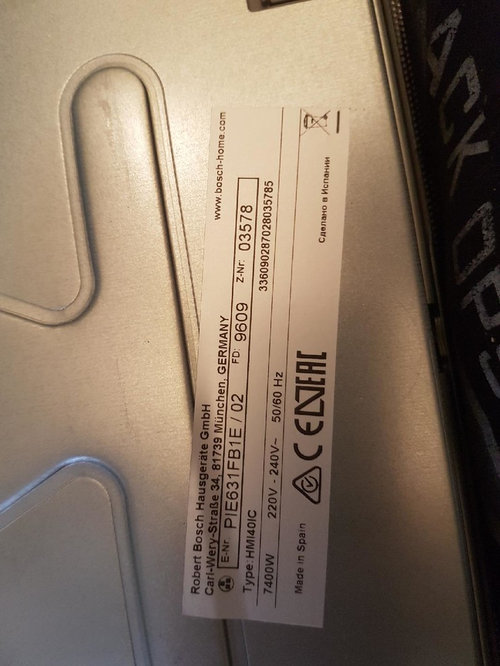
Can I use a 220v induction cooktop in the US?
9 years ago
Featured Answer
Sort by:Oldest
Comments (8)
 9 years ago
Related Professionals
DeRidder Bathroom Remodelers · Middletown Bathroom Remodelers · Waterloo Bathroom Remodelers · Elgin Bathroom Remodelers · Newark Bathroom Remodelers · Mansfield Bathroom Remodelers · Tallahassee General Contractors · Mount Vernon General Contractors · Memphis General Contractors · Laredo General Contractors · Athens Interior Designers & Decorators · Hays Interior Designers & Decorators · Somerset Interior Designers & Decorators · Baltimore Interior Designers & Decorators · Kearney Interior Designers & Decorators- 9 years ago
 PRO9 years ago
- 9 years agolast modified: 9 years ago
- 8 years ago
- 5 years agolast modified: 5 years ago
- 3 years agolast modified: 3 years ago

Related Stories

HOME TECHWhat Chipotle and Radiohead Can Teach Us About Sound Quality at Home
Contemporary designs filled with glass and concrete can be hostile environments for great sound quality. Here's how to fix that
Full Story
DECORATING GUIDESWhat Matisse Can Teach Us About Interior Design
Learn to pack a punch with decor inspired by one of the most influential artists of the 20th century
Full Story
KITCHEN APPLIANCESFind the Right Cooktop for Your Kitchen
For a kitchen setup with sizzle, deciding between gas and electric is only the first hurdle. This guide can help
Full Story
KITCHEN DESIGNShow Us Your Best Kitchen Innovation
Did you take kitchen functionality up a notch this year? We want to see your best solutions for the hardest-working room in the house
Full Story
SMALL HOMESCan You Live a Full Life in 220 Square Feet?
Adjusting mind-sets along with furniture may be the key to happiness for tiny-home dwellers
Full Story
LAUNDRY ROOMSWhere Can I Hide My Laundry Area?
It’s a case of now you see it, now you don’t with these 10 clever ways of fitting in a laundry zone
Full Story
KITCHEN DESIGNHome Above the Range: Smart Uses for Cooktop Space
With pot fillers, shelves, racks and more, you can get the most function out of the space above your kitchen range
Full Story
LIFETell Us: Do You Know How to Live With Your Parents?
If you've tried multigenerational living under one roof, we'd love to hear the details
Full Story
LIFETell Us: What Made You Fall for Your Kitchen?
Show the heart of your home some love for Valentine’s Day
Full Story
HOUZZ CALLShow Us the Best Kitchen in the Land
The Hardworking Home: We want to see why the kitchen is the heart of the home
Full Story





Cancork Floor Inc.