

How to prevent x pollination?
9 years ago
Featured Answer
Sort by:Oldest
Comments (9)
- 9 years agolast modified: 9 years ago
 9 years ago
Related Professionals
Birmingham Landscape Architects & Landscape Designers · New Braunfels Landscape Architects & Landscape Designers · Stamford Landscape Architects & Landscape Designers · Springfield Landscape Architects & Landscape Designers · Wheeling Landscape Architects & Landscape Designers · Jacksonville Landscape Contractors · Barnstable Landscape Contractors · Willmar Landscape Contractors · Kalispell Landscape Contractors · Eugene Landscape Contractors · Bartlesville Accessory Dwelling Units · Hartford Accessory Dwelling Units · Williamsport Accessory Dwelling Units · Amherstburg Accessory Dwelling Units · Toronto Accessory Dwelling Units 9 years agolast modified: 9 years ago
- 9 years ago
- 9 years ago
- 9 years ago
- 9 years ago
- 9 years ago

Related Stories

TREESAmerican Basswood Provides Garden Shade and Forage for Pollinators
Use Tilia americana as a shade tree or along the edge of a woodland for its large leaves and showy flowers
Full Story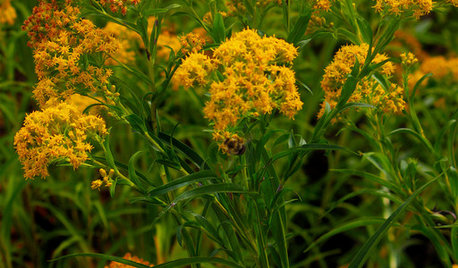
FLOWERS AND PLANTSThis Sunny Yellow Flower Helps Fall Pollinators and Landscapes
Oligoneuron riddellii’s distinct grass-like leaves and bright flowers jazz up the garden in the upper Midwest and Central Plains
Full Story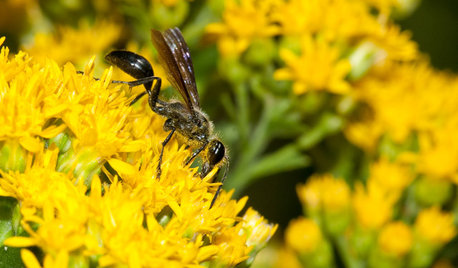
GARDENING GUIDESMeet the Grass-Carrying Wasp, a Gentle Pollinator of Summer Flowers
These fascinating insects nest in wood cavities and hollow plant stems
Full Story
RUGSPrevent Slips and Floor Damage With the Right Rug Pad
Here's what to know about sizes, materials, costs and maintenance of this important companion to your area rugs
Full Story
WINDOW TREATMENTSA Surefire Way to Prevent Sun Damage Indoors
Why let light ruin your furniture, floors and artwork, when the solution could be as simple as applying high-quality window film?
Full Story
EDIBLE GARDENSNatural Ways to Get Rid of Weeds in Your Garden
Use these techniques to help prevent the spread of weeds and to learn about your soil
Full Story
GARDENING AND LANDSCAPINGBid Bad Garden Bugs Goodbye and Usher In the Good
Give ants their marching orders and send mosquitoes moseying, while creating a garden that draws pollinators and helpful eaters
Full Story
FARM YOUR YARDHello, Honey: Beekeeping Anywhere for Fun, Food and Good Deeds
We need pollinators, and they increasingly need us too. Here, why and how to be a bee friend
Full Story
EDIBLE GARDENSGarden BFFs? Why Your Vegetables Are Begging for Companion Plants
Foster friendships among plants for protection from pests, pollination support and color camaraderie
Full Story
REMODELING GUIDESTransition Time: How to Connect Tile and Hardwood Floors
Plan ahead to prevent unsightly or unsafe transitions between floor surfaces. Here's what you need to know
Full Story


digdirt2