

Fixing patchy lawn
9 years ago
Sort by:Oldest
Comment (1)
Related Stories
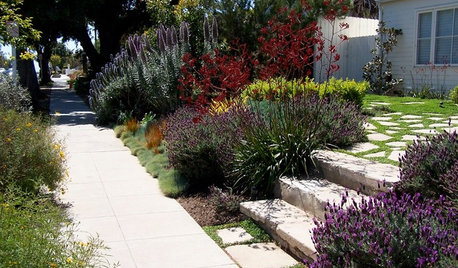
LAWN ALTERNATIVESStop Fighting the Patchy Lawn!
Here are 3 situations where a garden may be a better idea than more turfgrass
Full Story
GARDENING GUIDESHow to Fix Bare and Yellow Lawn Spots
Restore your turf’s good looks by reseeding unsightly patches
Full Story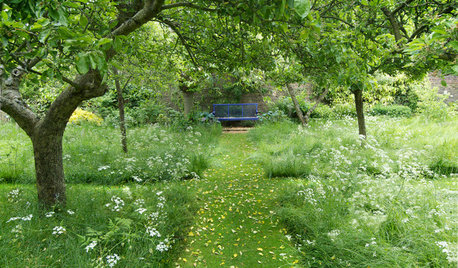
GROUND COVERSGive Your Lawn a Taste of the Wild
Consider the joys of an irregularly trimmed meadow lawn: It’s ecofriendly, visually interesting and still good for romping
Full Story
GARDENING GUIDES5 Great Grasses for a New Lawn
Learn about maintenance, wear tolerance, ideal climate and more for these top turf choices to pick the right one for you
Full Story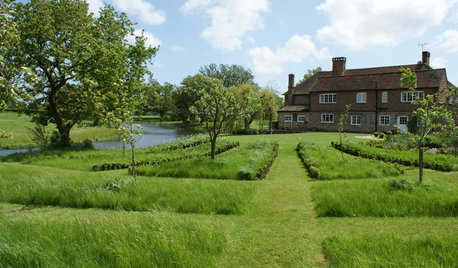
GRASSESHow to Rock a Lawn
Weekend Project: The key to healthy grass begins with the soil. If turf works for you, here’s how to fix it and keep it looking its best
Full Story
DECORATING GUIDES10 Easy Fixes for That Nearly Perfect House You Want to Buy
Find out the common flaws that shouldn’t be deal-breakers — and a few that should give you pause
Full Story
KITCHEN DESIGN6 Kitchen Fixes for Nomads
Renting? Some Affordable Ways to Make That Kitchen Feel Like Your Own
Full Story
SELLING YOUR HOUSEFix It or Not? What to Know When Prepping Your Home for Sale
Find out whether a repair is worth making before you put your house on the market
Full Story
PRODUCT PICKSGuest Picks: Kentucky Derby Party Fixings and Decor
Get a Derby Day party off to a great start with accessories, serveware and furnishings that champion the cause of chic
Full Story
GARDENING GUIDESHow to Plant a New Lawn From Seed
Choose from more grass varieties and save money over sod by starting your lawn from seed
Full Story
Sponsored
dchall_san_antonio
Related Professionals
Belleville Landscape Architects & Landscape Designers · Pittsburg Landscape Architects & Landscape Designers · Southaven Landscape Contractors · Houston Landscape Contractors · Tyler Landscape Contractors · El Paso Landscape Contractors · Fort Myers Home Builders · Rome Home Builders · Houma Home Builders · Lake Charles Home Builders · Knoxville Home Builders · Clearlake Home Builders · Spokane Home Builders · Chatham Home Builders · Montréal Home Builders