Software
Houzz Logo Print
hairmetal4ever

Hardening off

9 years ago

So this is the first time I’ve hardened off vegetable seedlings in a long time.


I have broccoli and onions I’ll be dealing with, started under fluorescents.

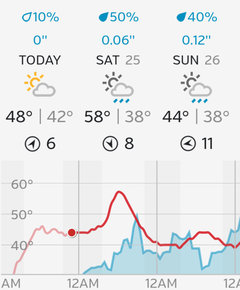
It’s cold today, but the forecast for this weekend is cloudy and relatively mild. Saturday may have some sun, and a high of 75, low around 50 Saturday night, and Sunday, cloudy with some showers and upper 50s. Is that a good time to sit them out for a few hours (or perhaps more) to harden off?


Comments (36)

  • 9 years ago

    Winter veggies aren't worried about 50F nights. Actually, summer veggies aren't either. I'd set them in part shade. Not full sun.

  • 9 years ago

    I would take at least a few days to as much as a week to do this - leave them outside in shade during daytime hours, but bring in at night. If you can, increase the outdoor time by taking them out earlier and leaving them out later. On the the fourth or fifth day, leave them out overnight and they should be good to plant in the ground.

    All plants that have been grown/started indoors or brought indoors for the winter or purchased from a greenhouse or other indoor structure need a transition period to harden them off/acclimate them before being planted in the ground.

  • 9 years ago

    Also be aware of the wind and bring them in if it is too windy.

    tj

  • 9 years ago

    And you don't do it for hours at a time to begin with. Think in terms of minutes to begin with.

    Dave

  • 9 years ago

    The problem is, during the week, I work during the day...

  • 9 years ago

    If you cannot manage them during the daytime they are outdoors, that makes it difficult.

    I am retired and can manage seedlings. I start hardening them from day 1 when possible and they do very well....they can stay out all day. Now if a storm comes, I take them in... I control their watering.

  • 9 years ago
    last modified: 9 years ago

    The hardening requirement is really something more appropriate to northern gardeners. My outside temperature is now, on average, higher than my indoor temperature. As long as the plants don't get hit by sudden direct sun or a hurricane, there's nothing outside that is going to bother them. I harden them to sunlight, an hour or two at a time, but not to anything else. They can stay out overnight for all I care.

    But yes, if the soil is cold, and the air temperature is 20F below what they're used to, do it slowly.

  • 9 years ago

    Sorry to disagree with some of the points made by others but IMO hardening off is even more vital for those of us in the warmer zones - especially when talking about spring crops. The heat and a dry hot wind is a greater threat to them than full sun. For example your broccoli transplants will be more threatened by the 75 degrees if it is at all windy than they would be by the 50 degree days or nights.

    So if you can't be there during the week to monitor them then start them over the weekend when you can be there. If the weather cooperates then by Monday they should be ready for outside in shade protected from the wind while you hope for no storms to pop up.

    There are literally hundreds of past discussions here about all sorts of tricks people who have to work use to allow them to harden plants off. If nothing else you can easily create a protected environment for them with nothing more that a plastic laundry basket and some tulle netting (as mentioned in the FAQ on Hardening off.

    Any effort is better than losing all your transplants in the process.

    Dave

  • 9 years ago

    Hot dry wind is something we almost never have. The outdoor RH is almost always higher than that inside. Again, down here, hardening off is largely a matter of getting the plants acclimated to sunlight, except in February when it's a little chilly. But I agree that for many parts of the country, these issues can be important.

  • 9 years ago

    Let's not overstate this!! In zone 7, you can safely leave the plants outdoors during the daylight hours from day one if the temps are mild (50's and above) and the plants are out of direct sun.

  • 9 years ago

    As others have discussed, I often use shade to manage hardening off. I know that the east side of my house will be in complete shade soon after 12 noon. I just either bring them out at the appropriate time, or create shade for the early morning, and allow a window of sunlight. If the weather isn't cooperating, I find a way to protect them, or simply skip a day. I also use the dappled shade of some trees to extend exposure.

  • 9 years ago

    My method is probably not recommended, but here's what I do:

    Once I start the hardening off process, I do not want to bring them back indoors, because I don't want to introduce any insects into my home.

    Day 1, I put the plants in my garden cart and locate them on my front porch which is shaded and sheltered from wind, after I wheel them into my garage (unlit, unheated, but no sun or wind).

    Gradually (I shoot for increasing 1 hour at a time, but hey, things get complicated), I increase the amount of time, sun and wind exposure over the next week or...? depending on the weather. But I never bring them back indoors.

    I think the first few days are most critical, and keeping the plants out of strong sun and heavy winds are especially important. You can even start the process before or after work, an hour or two just to get those leaves acclimated to being outdoors and go from there.

    Probably not textbook, but gardening often can't be because we can't control the weather :)

  • 9 years ago

    Maybe this should be a new thread, but I'd like to know about hardening off rosemary and lavender plants that have struggled to stay alive inside all winter in front of southern windows. I understand that it is nearly impossible to provide as much sunlight as they need to keep them alive inside, so on the first nice day last week I did put them out for a few hours. In direct sun. Was this a mistake?

  • 9 years ago

    Put them out in a shady spot for a few hours over a few days first. Build up to all day in dappled shade. They will be weak and tender at first.

  • 9 years ago

    The Rosemary should be fine kitasei if they are still alive. Not sure about the Lavender as I've never tried to overwinter any.

    I usually start to harden off my plants on weekday evenings. I start with an hour or so in shade on a Monday and then build up to 4 hours by Friday with a little dappled sun. Then over the weekend when I can better monitor the wind and sun I try to build them up to being outside all day. I have several different areas that I use depending on wind direction, temperature, and amount of sun.

  • 9 years ago

    With regards to the rosemary plant, for the first time I put a prostrate rosemary, still in the same terra cotta pot in our semi-heated garage for the winter. The temperature is usually 50 - 55. It's doing fine with infrequent watering. It is nearest a north window. The garage doors have windows facing south but basically, this rosemary is not getting much light. The last time I had good luck with overwintering a rosemary it was a plant that I put on the toilet tank next to a north window. Daytime temps were probably 65-70 and the tiny apartment bathroom probably got some humidity from showers. Normally our house is very dry (we heat with wood). I will never put a rosemary in a south window. A friend used to keep her rosemary in the front hall so it got some indirect light and aimed a humidifier at it. In our house we have a kitchen table in front of a bank of south facing windows. Some days, it's very hot sitting next to that window. Other days, it can be chilly. I'd be concerned about having a plant on a south windowsill on the days when it gets hot (we have brand new insulated windows).

    My rosemary will probably go outdoors in semi shade when the weather gets better and then get moved to bright sun.

    I am lucky to have a garden cart and a garage. I can wheel my plants outside to start hardening off across the driveway to a shady spot. I think the sides of the Garden Way cart also help provide a bit of wind protection.


  • 9 years ago

    Again, I take plants outdoors when 50° or more from day 1...right into sunshine for hours.

  • 9 years ago

    Glad that works for you Wayne but if I did that here I'd have lots of damaged and dead transplants. We each have to adjust to our personal environment and that can vary from yard to yard much less from zone to zone.

    Dave

  • 9 years ago

    Rosemary is a completely different kind of plant than most summer vegetables. It is tough, and powers through unfriendly winters, at least 7-ish winters. I can't imagine that hardening it off it going to be of any relevance, especially if it isn't an immature plant. I do cuttings of it throughout the year, with no regard for sunlight or temperature, and they do fine. Rosemary is basically a weed.

  • 9 years ago

    Dave, I find that strange. I never get damage from sunshine...if they were in the ground, you would not be shading them I suspect.

  • 9 years ago

    daninthedirt - kitasei's rosemary has been in the house all winter and is ailing. It isn't the robust outdoor cuttings you are talking about. A wimpy, etiolated indoor rosemary in NY is not the same animal as a tough outdoor rosemary in Texas. It will need hardening off.

  • 9 years ago

    A wimpy, etoliated indoor rosemary isn't likely to survive outdoors, no matter what hardening off one applies. But rosemary does enjoy full sun, so the issue is how to make the plant survive long enough to thrive in full sun.

  • 9 years ago

    "so the issue is how to make the plant survive long enough to thrive in full sun." Precisely - thus we come full circle back to the question of hardening off. If the Rosemary is alive it can very likely be resurrected.

  • 9 years ago

    "Dave, I find that strange. I never get damage from sunshine...if they were in the ground, you would not be shading them I suspect."

    Some of the difference is I am quite a bit further south than you and so is the sun this time of year. So it is somewhat less intense and a slightly reduced spectrum at your lattitude. Plus I am far from any city of any size so less haze/smog perhaps? Wide open spaces on the shores of big lake with a steady westerly wind can play havoc with my young plants. So the east patio rigged with sunscreen and a windbreak is what works best for me.

    Point is environment is quite different and what works in one location doesn't necessarily work in another. Learned that the hard way. ;-)

    Dave

  • 9 years ago

    If I put virgin transplants (such as solanaceous crops) in direct sun for a couple of hours, more likely than not the leaves will get burned. IME exposure to sun must be done slowly.

  • 9 years ago

    Here in NH, even after hardening off vegetable plants, I prefer to transplant into the ground on an overcast day or else at the end of the day so the plants can get over transplant shock before direct sun starts shining on them. I always water transplants with a liquid fish fertilizer. If rain isn't predicted, they will also get watered the next day. I use an oscillating sprinkler. Not the ideal type of watering but it works for me. Plants that have transplant shock are wilted, sometimes severely as in drooping on the ground. Lettuce is a most likely candidate. I rarely have transplant shock with tomatoes and peppers because I think they have a better developed root system when they are transplanted.

    Recently I visited a friend who has been gardening for years because last year he thought my pepper plant seedlings were much better than his. He wanted me to check what he was doing. I was shocked at how dry his seedlings were. His idea of watering was to mist the seedlings. The seedlings in the corners were so wilted they were drooping because they weren't getting enough water. The soil was extremely dry.

    Even in NH, if I put seedlings that have been under lights in a 60-65 degree house (the room with the seed starting shelves doesn't get much heat) outside in the sun for too long, they are going to wilt. They need to be hardened off.

  • 9 years ago

    Well, maybe I am the only one taking plants out from day 1. They take the sun like a trooper....about 8 hours today of 70° through much of the day.


    When I am raising the fall crop of broccoli/cauliflower in pots in July, I have seen a time when they enjoyed a couple hours shade.

  • 9 years ago

    Wayne, when you say from day 1, do you mean tomatoes, peppers, etc. that have grown inside for several weeks, or do you mean seeds sown in cell packs that have not yet sprouted, or plants that have just begun to sprout in flats inside?

  • 9 years ago
    last modified: 9 years ago

    I got mid 55's cloudy sat and mid 40's cloudy Sunday, with some light rain sprinkled in the morning.

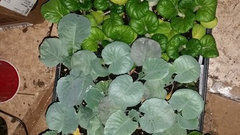
    this is what I'm putting out.
    I was thinking about just planting the lettuce and Bok choy. Or just putting them out for the afternoon, a few hours and then back under the lights. I'm not in a rush.

  • 9 years ago

    This is what has worked for me.

    Day 1: Put all plants in a clear plastic bin that is tall enough to shelter the plants from any wind. This also acts as a convenient way to carry and water them. Put in partial sun or shade when I get home from work and monitor them every 30 minutes for a few hours. At the end of the day check moisture and add as necessary. Bring in for the night.


    Day 2: If temps are above 45ish for the whole day, Move all plants to a full shade location and leave them for a half day to full day depending upon how bright a day it is. Bring in for the night.


    Day 3: In morning before work return plants to full shade spot and leave out for the whole day and whole night.


    Day 4: when I return from work, fingers crossed, all plants should be fine. If so, move to partial shade for the rest of the day.


    Day 5: all day and night in a place that gets at least 2-4 hours of direct sun then shade/dappled shade for the rest of the time.


    Day 6: move to location with full sun for half the day partial/full shade for half the day.


    Day 7: repeat day 6 if needed.


    Day 8: Move to full sun location.


    Day 9: the plants should be tall enough now that they have been exposed to wind, if not have plants out of clear containers for some time.

    From here on out it's safe to say they are hardened off unless, of course, you have a random hail storm/t storm/heavy winds etc etc.

    hairmetal4ever thanked Josh Morrison
  • 9 years ago
    bcomplx, those bins are almost identical to the ones I use. very handy!
  • 9 years ago

    I will do that this year, thanks for the idea!

  • 9 years ago

    For all of the suggestions I might have missed it but no one suggested the obvious and that is to pick and choose a favorable weather pattern to harden off much the same as you would do when planting.

    I set over 2000 pepper and tomato seedlings out in a greenhouse this past Friday amid intermittent rain. The plants are doing great and for the next step of planting into soil there will be no adjustment needed.

    Granted, favorable weather is not always available but I'm working on that. Just in case the sun stays out I keep a sprayer handy with just water to make artificial rain mist. If plants start to show signs of stress I just set them on the ground where benches shade them. Just a different approach, same outcome.

  • 9 years ago

    naturegirl, #3...the first day from sprouting.

  • 9 years ago

    I think most of the talk of hardening off is from people who have plants that have grown inside for a few weeks or more. Your plan to sprout indoors in warmth and then immediately move outside to cool, but not frigid conditions is worth considering. I might be able to do that with lettuce and a few other cold hardy plants. On really cold nights I could take them in, but mostly let them experience life outside.

Sponsored
Peabody Landscape Group
Average rating: 3.5 out of 5 stars8 Reviews
Columbus' Reliable Landscape Design & Contracting