Software
Houzz Logo Print
missionmom

A river runs though it...

9 years ago
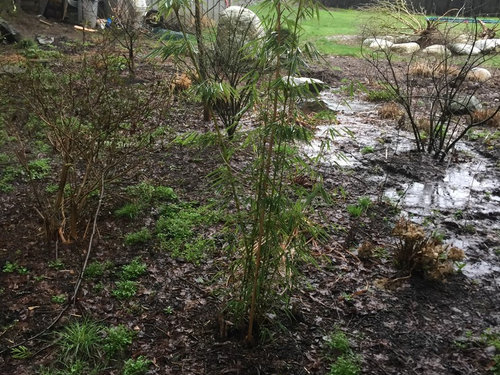
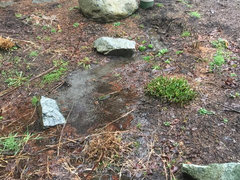
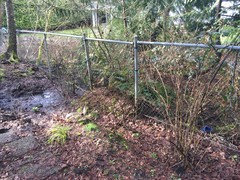
Hi there... just thought I would put this out there. I ran outside to take some photos of my bamboo in the pouring rain. I noticed the back naturalistic portion of my yard, which I've reclaimed from brambles since purchasing the property is developing a natural river of erosion from the placement of a big O pipe running from the house. Our neighbors behind have a very large natural pond. I've noticed this before since I've been doing lots of work, but was able to catch this in action this morning:

Appologies if you have to click the photo to view it... IPhone problems :)

Now I'm thinking this should be turned into the dry stream bed, or at this time of year a wet stream bed lol! But in order to achieve this would I have to dig it out and lay down some type of liner or could I simply follow natures path of erosion and lay some manageable sized boulders along the way?

This is a special part of the garden which doesn't look like much right now but in summer it's cool and damp and lush and I'm even attempting the grow some meconopsis (spelling is probably butchered) blue Himalayan poppies :)

Any advice you have would be wonderful! Thanks for your time!!!

Comments (9)

  • PRO
    9 years ago

    One installs a "dry" stream bed not only because they want a conduit for rain runoff, but because they want to see/incorporate that feature into their landscape. And it's usually not an insubstantial feature. You'd need to dig out the bed, lay down high quality woven polypropylene "landscape fabric" liner and then add the rocks to it. It's not a cheap and necessarily easy undertaking. In the future, when it comes time to sell your home, some home buyers may not appreciate the appearance or idea of such a thing and look on it unfavorably. This usually depends on how well it's coordinated with the surroundings and how attractive it is. (Many are not very attractive!)

    What is the alternative? Establish a dense covering of groundcover plants that hold the soil in place. Many are capable of protecting the ground from erosion. It's nature's default way of preventing erosion in areas where water runs off only during rain. Determine if you want the expense an bother of the dry stream bed or want to take the easier way out.

  • PRO
    9 years ago

    No liner is required .

    There are a couple of options that you can take :

    1. Improve the drainage by digging a deeper swale and installing 3/4 inch drain rock and top dress with pebbles and some large size accent boulders/stones.

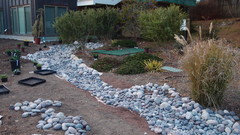
    2. dig out a slightly deeper trench, line it with biodegradable newspaper and top dress it with pebbles. ( shown below)

    3. Create a rain garden by excavating much deeper and reinstall a highly organic soil mix with a 50 % ratio of scoria ( google rain garden installation)

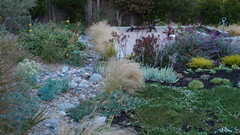
    Here is a progression photo showing option # 2 _ dig out a drainage swale, , use the excavated soil for your bermed side walls, line the swale with bio-degradable paper for weed suppression, Top dress it with 3 to 4 different size rocks , from small pebbles to larger head size boulders ) in an undulating pattern that emulates a natural arroyo seco / dry stream bed. plant the edges of the stream bed with a mix of plants such as meconopsis, japanese forest grass, hosta, podophyllum spotty dotty or whatever your climate and horticultural desires are.

    Photos below shows the swale, and the beginning stages of placing the pebbles, the cardboard, then the planting over one year time.


  • 9 years ago

    Great photos, Michelle!!

    Dry stream beds (seasonally wet) are common in my area to accommodate the run-off from winter rains and I have yet to find anyone that objects to them. Most consider them a landscape feature as well as being a useful, functional element. Your site looks like one would fit in well and properly direct run-off and drainage.

    There are quite a few DIY sites that describe how to construct one - they are not at all difficult but require a bit of creativity to look natural. I'd just follow the path the water takes now, which appears to have a very natural flow.

    I would suggest using a liner if in the PNW - our mild and damp climate is just too encouraging to weeds to not use one. And the same concerns about using a rock mulch apply to a dry stream bed.......they can accumulate debris which will degrade to make a hospitable growing environment for weed seeds so you need to keep on top of keeping the rock bed clear.

  • PRO
    9 years ago

    A liner is not required, but if one ever needs to undo one of these things, it's a huge benefit.

  • 9 years ago

    Thank you guys!!! Those are wonderful photos I really enjoyed them. I am apprehensive to use a liner of sorts after having a bad experience with it in my first garden (rookie mistakes surely). Is there one in particular you would reccomend? Like a pond liner or the fabric landscape liner?

    Ideally I would rather go the linerless route as you can see (I haven't got out yet for weeding) but I have so many no matter what I do... and found that weeds would grow on top of liner if given enough time. I've actually had good success with using cardboard and thick layers of mulch to eliminate grass and slowing build my gardens. I may take that back this year though.

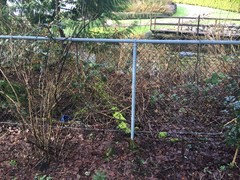
    here is today... I didn't realize it's a rainfall warning here in the lowermainland of bc. Apparently Vancouver just broke a 61yr old rainfall record! Good for the plants I guess :)

  • 9 years ago

    Question...is this 'sometimes' stream bed discharging eroded soil into your neighbor's pond? Or, where does the water streaming end? On your property or the neighbor's?

  • 9 years ago

    It seeps into the soil at the back of my yard which is very marsh like this time of year. His side of the fence is Bermed up a bit and covered in blackberries so it would most likely be impossible to tell if was depositing sediment or such into his pond., likely not in any significant amount. The pond owner has said in years past, before he dredged the pond out deeper it would flood our yard during this time of year....have yet to see that but we shall see.

  • 9 years ago


Sponsored
High Point Cabinets
Average rating: 5 out of 5 stars21 Reviews
Columbus' Experienced Custom Cabinet Builder | 4x Best of Houzz Winner