Software
Houzz Logo Print
fddlss

Lawn Help!

9 years ago
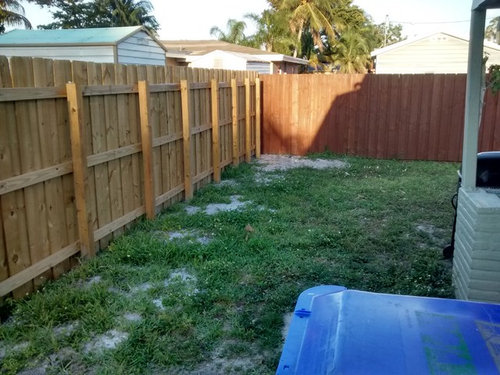
Hi all, first time posting here. I live in South Florida and I bought my first house about 7 months ago and after fixing the interior it is now time to finally hit the lawn. I will admit that I'm new to gardening and anything that has to do with lawn care.

I have a sprinkler system running from a well for the backyard, but not for the front yard. Although the pump needs to be primed according to the home inspector and the sprinkler heads need to be replaced.

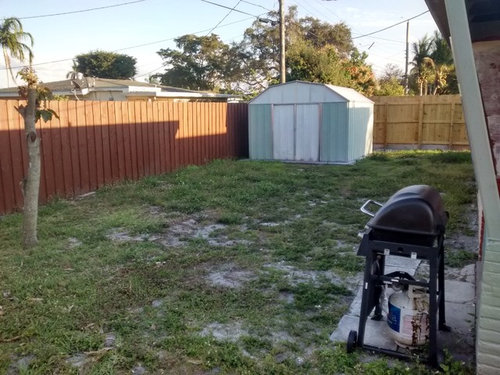
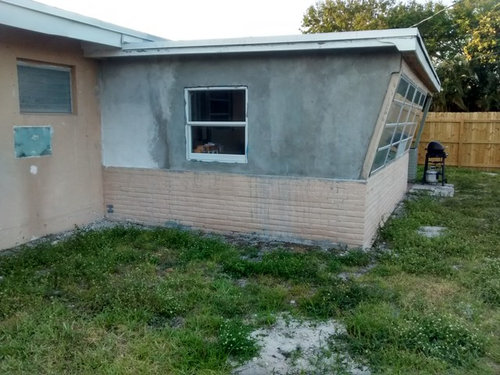
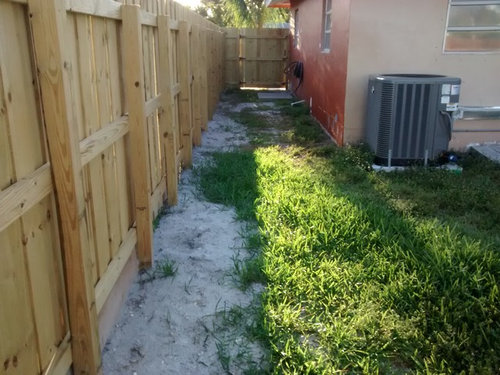
Let me add that the backyard is not very leveled either and it's probably 70% weeds 20% sand and 10% grass with only a very small area of nice grass (probably above septic tank.)
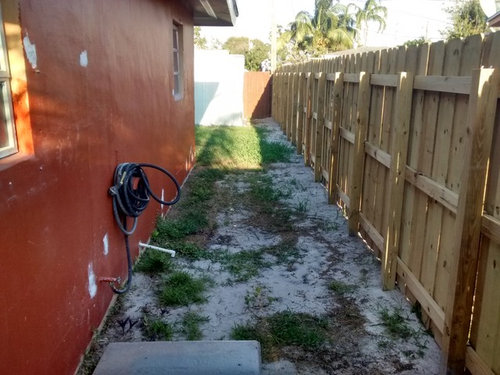
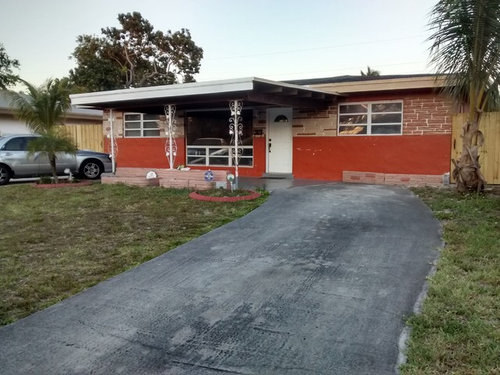
The lawn is probably about 3500 sq. ft. adding back, front, sides of the house and driveway sides.

The previous owner didn't really take care of it and it's dirty and in bad shape. I've been removing some weeds by hand to be able to paint the exterior, etc. but I don't think that will be an effective method.

I need some suggestions as to what to do:

1. Kill everything, clean & level with soil/sand and seed

2. Kill everything, clean & level with soil and put sod

3. Use a weed killer + fertilizer product and hope for the best (without killing current grass and adding new soil and hoping that the 8' x 8' area of nice grass will take over the rest of the lawn)

4. Any other suggestions?


This is the only area with decent grass:

Comments (5)

  • 9 years ago

    It's difficult to give advice without knowing what you'd like to get out of your garden, and how much maintenance you can/will be able to provide. I can only tell you how I would approach it. I would start in the back since that is where you will be most successful (irrigation), and you don't want to do too much at a time. Decide to do a small area yearly so you can enjoy your work and not get overwhelmed. Think about what you'd like to get out of your backyard. There is a grill there, I think. Does this mean you'd like a hardscape area with pavers where you can put a table/chairs and a shade source (tree, umbrella) to enjoy? This could be an area to enjoy your garden with a beverage while you have your coffee in the morning and while you have a beverage in the evening while you're grilling! Make it bigger than you think in case you have friends over someday, kids, potted plants, etc.. You can plan the outline with landscape paint or lay hoses down so you can get an idea of size and shape. Large, sweeping curves are always more pleasing. Next, decide what trees you'd like to plant. These trees will be the 'bones' of your garden and will set the feel for the rest of your garden. Do you need them for screening? Shade? By sitting area? You have coconut palms in the front, maybe an oak or flowering tree or two in the back? If it drops a lot of stuff, don't put it close to where you will eat. Next, decide if you really want to take care of grass (difficult to have a nice lawn without spending a lot of maintenance, spreading chemicals, pesticides.). Do you have pets/children? What are their needs? In my garden I have a relatively small patch of grass for the dog and maybe future grandchildren, and the rest are mulched, large beds shaped with sweeping curves. They were shaped (visualized), by laying garden hoses down in the shapes we wanted. Next we used an abbreviated form of lasagna gardening (look that up). We put large pieces of cardboard down from appliance and bike stores, and covered with mulch and any organic materials we could come up with. Putting cardboard down will mean you will be able to make beds without spreading roundup or other chemicals, and it will lessen weeds for years, like you wouldn't believe! The less you disturb the soil, the fewer weeds you will have. The more you dig, the more weeds you'll see. You can make your future beds and just leave them mulched and ready to plant when you come across shrubs, palms, trees and perennials you want. No pressure to do it quickly. Take your time. Don't disturb the soil. When you plant, you can just dig a hole for the plant and put it in. The cardboard will disappear in 3-6 months (depending on rain), and if it's still there you can just dig a hole right through it. No problem. Don't remove it. Keep the beds mulched and enjoy your progress slowly without pressure to hurry. If you'd like a veggie garden, Silvia, here on GW is an incredible expert and will let you know what you need to do to have a successful one. She is amazing. Above all, have fun with it and research it, think hard about what your needs are, and take it slow so you can enjoy the process. Congrats on your new home!

    fddlss thanked annafl
  • 9 years ago

    Seed the dead areas ,water and mow once a week. Mowing once a week will take care of most weeds. We have a saying if it green mow it that's your lawn. The simple fact is you can spend a lot on a lawn and get what you have now in a few years. Or you can wait tell rainy season and it fills in on its own. Just keep it well mowed and water the dead areas and it will come around.

    fddlss thanked Glenn Jones(9b)
  • 9 years ago

    Wow! I really appreciate that you took your time to reply and give me some ideas. Ideally, our goal is to put pavers through 90% of the backyard and leave some grass somewhere for when we get a dog. We do have small children. Then, we wanted to relocate the shed and used the concrete slab it sits on to create a grilling area, like a Tikki hut with a brick BBQ and a small counter top with a faucet etc. or leave the shed alone and just do a concrete slab somewhere else. As far as trees, we don't really want any because we want to have as much open space as possible. We will have garden beds along the fence to prevent dogs from digging and to hide differences in the land's level (it's lower near the back and the fence has a gap at the bottom). We were thinking on just fixing the grass for now just to be able to enjoy the backyard, because to do the pavers/tikki etc. will require a lot of money that we don't have at this time, but as I research and learn more and more I see that having nice grass is not an easy or cheap thing either.

  • 9 years ago

    Finely manicured lawns are traditional in most gardens, but science shows that they’re very detrimental to the natural environment. For that reason and many others, my wife Suzanne and I have removed the extensive but boring lawn that came with the property when we bought our house in Naples, Florida (Zone 10b). We replaced the half-acre lawn with several beds of native Florida flowering shrubs, blooming ground covers, bromeliads, wildflowers, grasses and other plants which benefit wildlife, while simultaneously beautifying the garden. As a result, we save a lot of work and the great expense of repeatedly watering our property. The only times we use the hose now is when we have an extensive period of drought.

    Like many Floridians, we live in a private community with a Home Owner’s Association. Almost all HOAs have strict rules about what you can and can’t plant in your own home’s garden. Most of them specify how carefully you must maintain your large and well-mowed lawn. That’s why we chose to buy a home in a community without rigid rules, so we’re free to landscape our property to make it look as Mother Nature intended. Although most of our neighbors still keep their standard lawns, our garden looks so strikingly attractive by comparison that several neighbors have set sections aside to create colorful wildflower beds like ours.

    Most lawns require artificial fertilizers, chemical pesticides, weed-killing poisons and other dangerous chemicals that sooner or later permeate the soil and seep into streams and lakes. This man-made damage could kill the area’s native plants, butterflies and other beneficial insects, fish, amphibians, reptiles, birds and small mammals. Home owners who hire commercial lawn services to regularly mow the lawn and spray or soak these chemicals into their gardens are spending their money to cause all the deaths. Gardeners who do the work themselves are just as responsible. Converting lawns to flower beds, wildflowers or other plantings would save the home owner lots of money or time and labor.

    That’s one of the subjects taught in the free gardening classes scheduled by our large and growing Gardeners of Southwest Florida group. Over 1,300 families with gardens around Naples and Fort Myers are current members of the group, and more are always welcome. Everything in the group is free: instant membership, gardening classes, light snacks, soft drinks, etc. Two-hour classes are scheduled on weekends two or three times a month throughout the year, often taught by professional horticulturists. They take place in the gardens of a different group member each time, so that members and their guests can learn about each host’s favorite plants and gardening techniques. Hundreds of photos and full details of the previous 123 classes and upcoming classes are on the group’s extensive
    and informative website at www.meetup.com/FloridaGardeners. Gardeners who join can meet friendly local members like the ones who attended a recent class in our garden’s screened enclosure:

    At right, Peter Kacalanos and Suzanne Cherney, group leaders, Gardeners of Southwest Florida

  • PRO
    9 years ago

    Kill everything, clean & level with soil and put sod