Software
Houzz Logo Print
elizabethk1

Plum Leaves Have Brown Spots - Happened Overnight. Help!

9 years ago
last modified: 9 years ago
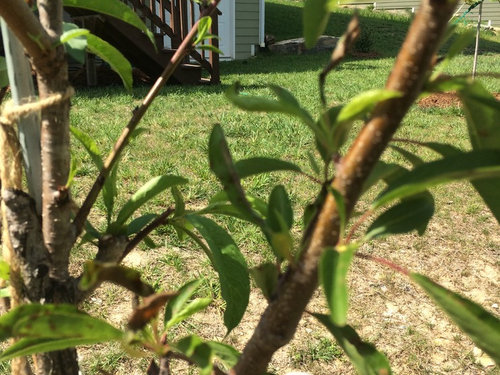
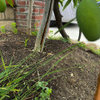
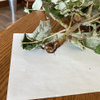
I'm in Charlotte. Zone 8a. My tree is a multi-graft stone fruit - nectarine, peach, plum and apricot. Everything was going well until I went outside to look at my little tree an hour ago and the plum leaves are covered with brown spots. Some of the new, young leaves are turning yellow and falling off. The rest of the tree is fine. The only thing I have done since I planted it is to spray it with Garden Safe Garden Insect Killer. I received the tree as a gift, so I have no idea of how it was grown, sprayed, etc., before I received it. I have never grown stone fruit before and I have no idea what to do. Can someone please give me a little direction? Photos attached. Sorry they are so large - I'm not good with photos. Thank you.

Comments (11)

  • 9 years ago

    Why did you spray it with that? Is it recommended by your local extension as a preventive spray? Be careful not to kill your tree with kindness. I see that just as often as those done in with neglect.

    I don't know what it is but I have seen other people damage their leaves when applying sprays, especially when done in the heat of a sunny day. Could be bacterial leaf spot hard to tell from pics. Do a google search for it.

  • 9 years ago

    I sprayed because the tree was crawling with ants. I sprayed in the early evening, after the sun went down. I thought I was safe also because it was a natural product. I am going to take a few leaves in a Ziploc to my local nursery. Does sound like it could be sunburn.

  • 9 years ago

    It looks like bacteria spot. If it is bacteria spot, the spots will turn to holes. Not much you can do but get disease
    resistant varieties. Some of mine get it every year but usually it is
    in the late summer. I doubt the spray had anything to do with it. The tree looks healthy. When you sprayed for ants you probably also had aphids. The ants like to protect the aphids so they can eat the honey dew that the aphids secrete.

    With stone fruit the biggest problems are brown rot, worms (oriental tip moth and plum curculio) and scale. The brown rot can be controlled with fungicides. Tip moth and plum curculio can be controlled by insecticides sprayed when you see the fruits bitten by the beetles. Scale can be controlled by a dormant oil spray in the winter, and some add copper to the last dormant oil spray to help control brown rot and bacteria canker.

    It is easier to have 4 separate trees than a multigraft, but since it was a gift not much you could have done about that. You will have to prune to keep all the four branches about the same size so one does not dominate the others.

  • 9 years ago
    last modified: 9 years ago

    Yes, apply tanglefoot around the trunk to keep ants from going up tree. Then natural predators can kill the aphids off, unless you kill them with a spray as well.

    I'm curious. Did you spray and then the spots appeared the next morning or was it days/weeks apart?

  • 9 years ago

    Yes, I sprayed and the spots appeared next morning! I believe you were correct..I should not have sprayed. Nervous newbie mistake. The new leaves look green and perfectly healthy. I will not rush to judgment again. I am going to purchase tanglefoot and apply it around the trunk. Should I also paint the trunk with a 50%-50% white latex paint/water solution? Thank you, Gary, for all the great tips. I do have copper fungicide (used on my Serviceberry two-years' ago for apple cedar rust) and I will purchase dormant oil for winter use. If I can successfully grow this tree, I am sure I will want to grow another fruit tree - but not a multi-graft. Thank you all so much.

  • 9 years ago

    Do not apply Tanglefoot right on the trunk of a young tree. This stuff is like superglue. It will girdle the tree down the road and kill it.

    Wrap around the trunk tightly with inside- out masking tape or even cut up plastic grocery bags. Wrap it very tight so ants could not crawl under. Then, smear Tanglefoot all around on that barrier. If you have other trees that branches cross this tree, you need to wrap those trees and do the same thing. Ants can crawl from one trees to another.

  • 9 years ago

    Thank you rphcftb14-- that's a great idea. Due to heavy rain, I have not applied the Tanglefoot yet. But, will tightly wrapped inside-out masking tape or grocery bags not girdle the tree? Should I remove the wrap at some future time? Nature is bizarre...ants protecting aphids!

  • 9 years ago

    I've used plastic grocery bags cut into large strips and wrapped it around the trunk of the tree tightly. Make a band at least 3-4" wide.

    At the end of the year, you can just remove the band off the tree. By then, the area where Tanglefoot is, would be covered by so many dead insects. You want to remove it anyway. Reapply new band and new Tanglefoot every spring.

  • 9 years ago

    Thank you, I did use cut up the grocery bags and use them. It is working!

  • 9 years ago

    I used to cut up cereal boxes and use the thin cardboard they are made from to make a band to wrap around the trunk of a young tree. I would tie it tight enough to hold with twine and then apply the tanglefoot all over the band. Worked great!

    I would remove after one growing season so the string used to tie the cardboard band on did not girdle the tree.

  • 9 years ago

    Spartan apples: I was just getting ready to ask when to remove the plastic that the tanglefoot is smeared on! So thanks for letting me know. I was concerned about it girdling the tree, so removing it at the end of the growing season makes sense. BTW, cardboard from cereal boxes is a great idea too.